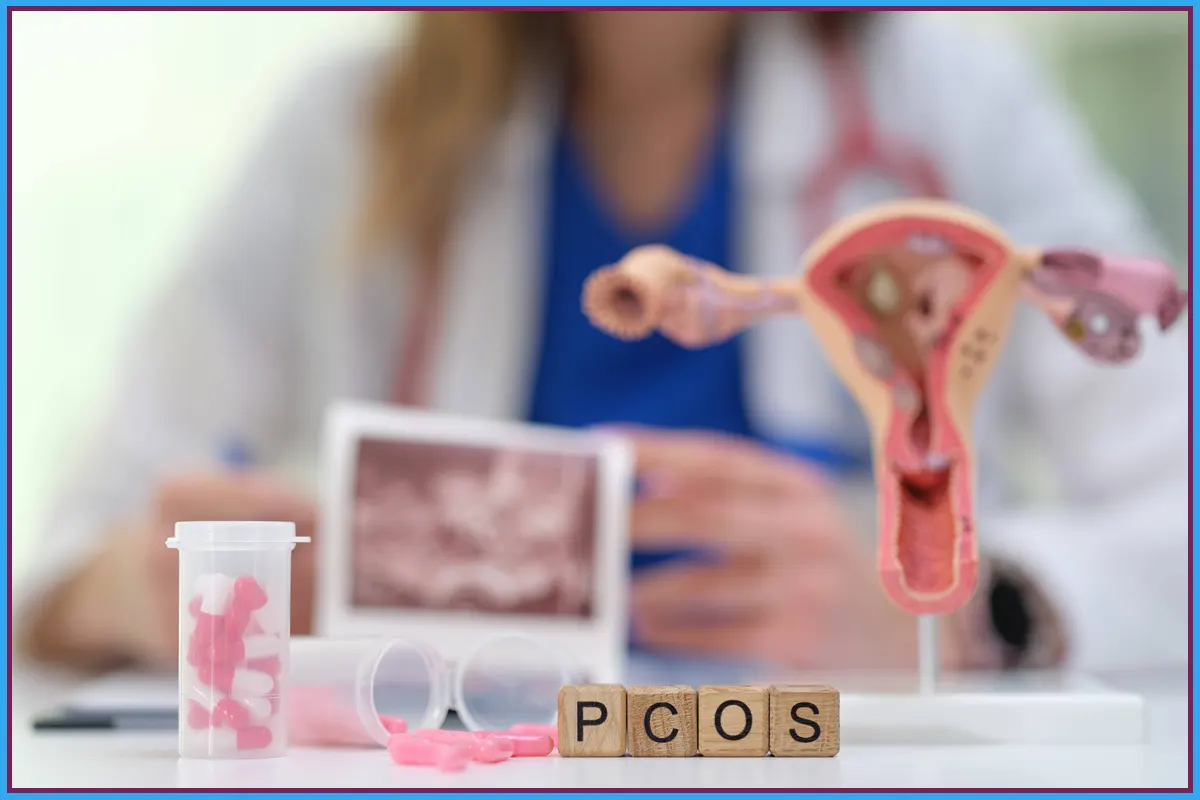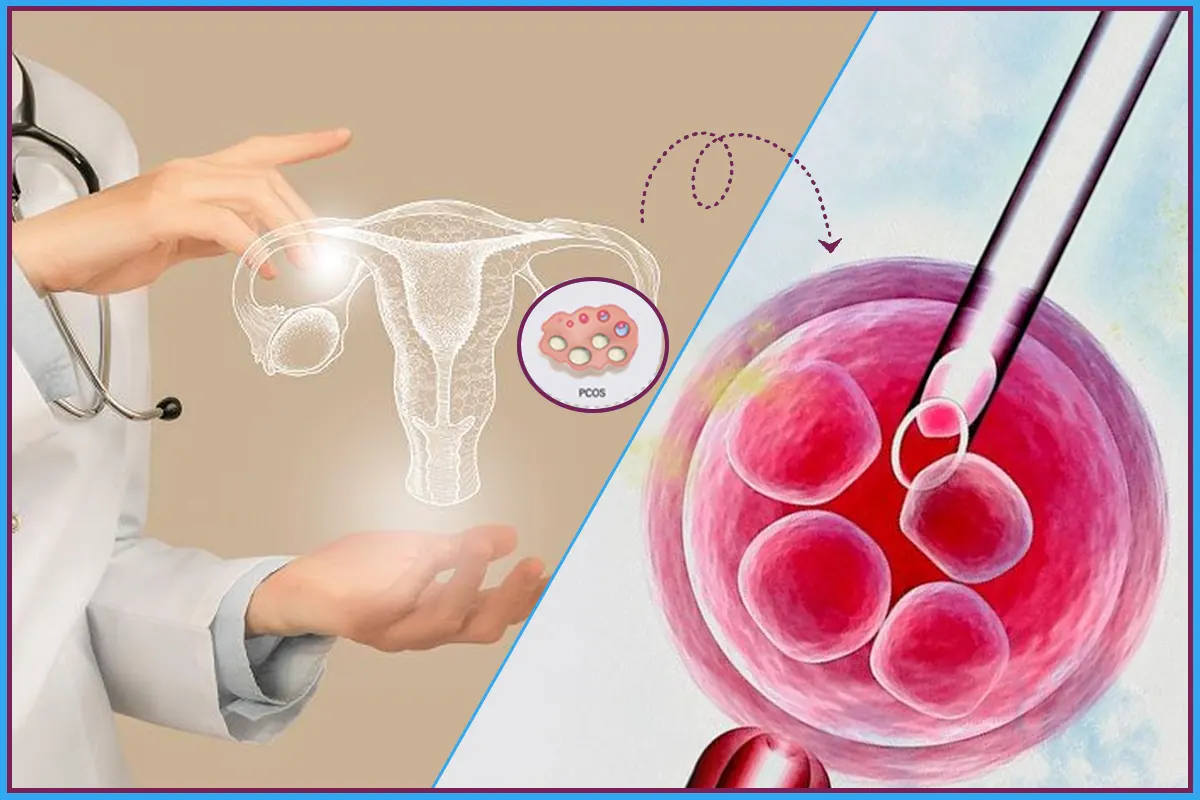

Polyendocrine Metabolic Ovarian Syndrome is one of the most common hormonal conditions that affect women of reproductive age. For many women with PMOS, getting pregnant can be a challenge because irregular ovulation can make conception more difficult. Understanding fertility planning for women with PMOS can help you make informed decisions about when to attempt pregnancy, when to seek help, and what treatment options may be available for PMOS-related fertility issues.
The Effect of PMOS on Female Fertility
Previously known as PCOS, Polyendocrine Metabolic Ovarian Syndrome or PMOS is a hormonal and metabolic condition that primarily affects women of reproductive age.
It can affect ovulation, menstrual cycles, androgen levels and metabolic health. Symptoms can vary considerably from one woman to another, but usually include:
- Irregular or absent periods
- Insulin resistance
- Excess facial or body hair
- Dark patches of skin
- Skin tags
PMOS can increase the levels of androgens (male hormones) in the body. High androgen levels can interfere with the menstrual cycle and disrupt ovulation, which is the process through which the ovaries release a mature egg.
As a result, some women with PMOS experience irregular or infrequent periods because they do not ovulate regularly. When ovulation is irregular or absent, timing conception can become more difficult.
What Does Fertility Planning Mean for Women With PMOS?
Fertility planning for women with PMOS can help you understand your reproductive potential. This can include understanding whether ovulation is regular, discussing reproductive goals and timelines with a fertility specialist, and addressing factors that may affect conception.
For some women, fertility planning may involve a detailed fertility evaluation, particularly if they are having difficulty conceiving or have concerns about ovulation. The path you choose will depend on your reproductive goals, menstrual/ovulatory pattern, duration of trying, other fertility factors, and whether pregnancy is being delayed.
Planning a Future Pregnancy With PMOS
A woman who knows she has PMOS but isn’t trying to conceive doesn’t necessarily need an immediate infertility evaluation. However, age-related fertility decline and how long you plan to delay pregnancy can influence whether you want to discuss fertility preservation or fertility planning earlier.
Being proactive about your reproductive health can help you understand how PMOS may affect ovulation and conception, and give you more time to make informed decisions about your future family-building plans.
Having Difficulty Conceiving With PMOS
Women with PMOS shouldn’t assume that irregular ovulation means they are infertile, but they also shouldn’t delay a fertility evaluation if they are having difficulty conceiving.
If you are actively trying to conceive and have irregular/absent periods, it makes sense to discuss fertility planning for women with PMOS earlier rather than simply waiting. Fertility planning for women with PMOS can help you understand what may be affecting your chances of conception and whether treatment is needed.
Why is it Important to Get a Detailed Fertility Assessment?
PMOS can affect everyone differently. If you have PMOS and are planning a pregnancy, discussing your reproductive health with a fertility specialist can help you understand how PMOS affects your fertility.
Fertility planning for women with PMOS can provide additional information if you plan on tracking your menstrual cycle for pregnancy. Additionally, it may help you detect factors that may affect future conception.
Depending on your symptoms, medical history and reproductive goals, your fertility specialist may recommend some of the following fertility tests:
- Ovulation assessment to check if you are ovulating regularly
- Tubal assessment to check for fallopian tube blockages
- Hormonal testing to check for hormonal imbalances
- AMH testing to assess ovarian reserve
You can also consider getting a semen analysis for your male partner to identify any male factor issues that could make conception difficult for you. After figuring out if you have any fertility issues, the next step is creating a personalized fertility plan with your specialist.
Is It Possible To Get Pregnant With PMOS?
Yes, it is possible to get pregnant with PMOS. While PMOS can affect fertility, it doesn’t always lead to infertility. For some women, this may simply mean that it may take them longer to conceive.
If you have PMOS, fertility planning for women with PMOS may be helpful to understand your ovulation pattern and the factors that may affect conception. For example, PMOS can cause irregular or absent ovulation. Fertility treatments like oral ovulation-induction medication can help induce ovulation and improve your chances of pregnancy.
Treatment Options for PMOS and Infertility
While PMOS cannot be cured, there are some treatments that can help control the severity of PMOS symptoms, especially those that can affect fertility.
Here are some treatments that fertility specialists recommend for PMOS-related fertility issues:
Lifestyle Changes
Following healthy lifestyle habits, such as consuming a healthy diet, avoiding smoking, limiting alcohol consumption, getting adequate sleep, and exercising regularly may support metabolic and reproductive health.
Medication
Letrozole is the recommended first-line medical treatment for ovulatory dysfunction (irregular or no ovulation) associated with PMOS when there are no other infertility factors.
Gonadotropins or even IVF treatment for PMOS may be considered in other patients if letrozole is ineffective or if there are other reasons for infertility.
Assisted Reproductive Technologies (ART)
Fertility specialists may recommend assisted reproductive technologies such as IVF when other fertility treatments are unsuccessful or if there are more complex infertility factors involved, such as tubal blockages or male-factor infertility.
Fertility Preservation
Some women with PMOS may want to delay pregnancy.
Options like egg freezing or embryo freezing allow women with PMOS to preserve reproductive material for potential future use, particularly when they plan to delay pregnancy and want to discuss their future fertility options.
The Importance of Holistic Fertility Care For Women With PMOS
Our fertility specialists can help women with PMOS understand their ovulation patterns, assess factors that may affect conception and explore fertility treatment or preservation options based on their individual goals.
Bloom IVF offers tailored fertility treatment that can support your wellbeing and help you achieve your reproductive goals. Interested in speaking to a fertility specialist about fertility planning for women with PMOS? Book your free consultation with us by calling +91 9871717305 / 8433732400 or sending a mail to info@bloomivf.com.
Frequently Asked Questions:
When should I see a fertility specialist if I have PMOS?
If you have PMOS, we recommend visiting a fertility specialist for fertility planning if you are planning to get pregnant or if you are concerned about your fertility.
Is undergoing IVF riskier if I have PMOS?
Women with PMOS may have a higher risk of ovarian hyperstimulation syndrome (OHSS) during IVF because some may have a strong ovarian response to stimulation. Your fertility specialist can use a personalized stimulation protocol to reduce this risk.
Do ovulation predictor kits work for women with PMOS?
Ovulation predictor kits can produce unreliable results in women with PMOS because they may have elevated levels of luteinizing hormone (LH), which can result in misleading positive results in some women. This can make LH test results more difficult to interpret for women with PMOS.
Is it possible to get pregnant naturally for women with PMOS?
Yes, it is possible for women with PMOS to get pregnant naturally. While some women with PMOS may ovulate irregularly, it does not always cause infertility.
How long does it take to get pregnant with PMOS?
There isn’t a fixed timeline for women with PMOS to get pregnant. It depends largely on whether and how regularly ovulation occurs, age, and other fertility factors. Some women with PMOS can conceive without any fertility issues, while others may take much longer to conceive naturally and may require fertility treatment.
Have questions about your fertility journey?
Speak to a Bloom IVF specialist — book a free consultation.
Book an appointment