
With so many treatments and choices available in the world of fertility treatments, many patients find themselves confused and disoriented. They may not be able to understand all aspects of their treatment and have questions like, ‘How many days after the period is frozen embryo transfer scheduled?’ In this blog, we attempt to demystify the process and workings of frozen embryo transfer on day 22 of the cycle.
You may have many questions regarding embryo transfer at day 22, so we will attempt to answer as many of them as we can. At Bloom IVF, we are dedicated to making reproductive healthcare and its knowledge accessible to everyone.
What is Frozen Embryo Transfer?
Frozen embryo transfer is a technique that involves transferring a frozen (cryopreserved) embryo to the uterus of a woman. There are two types of frozen embryo transfer (FET): natural (unmedicated) and medicated FET.
Natural Frozen Embryo Transfer
In natural frozen embryo transfer, we time the frozen embryo transfer with a woman’s natural menstrual cycle. This method is suitable for patients who ovulate regularly and do not require hormonal medication.
Medicated Frozen Embryo Transfer
In medicated frozen embryo transfer, we administer oestrogen and progesterone to the patient, which helps her body prepare the uterine lining before the embryo transfer takes place. The lining must reach a certain thickness, or else the transfer will be delayed or moved to the next cycle.
Why is FET Done Instead of Fresh Embryo Transfer?
Some of the reasons why a patient may choose frozen embryo transfer on day 22 of cycle are:
Medical Reasons
A fresh embryo transfer is not possible due to medical reasons
Embryos from Previous Cycles
A couple has embryos left over from a previous IVF cycle. This gives the woman another chance at pregnancy without having to go through the ovarian stimulation phase again.
Frozen Embryos
The patient freezes embryos with their partner’s or donor sperm so that they can preserve their fertility for longer and delay pregnancy and childbirth.
Genetic Testing
Those who want their embryos tested for chromosomal abnormalities and genetic diseases also need to get them frozen. Bloom IVF encourages genetic testing of embryos where appropriate, as it lowers the chances of a miscarriage.
Delaying Embryo Transfer
Sometimes, a patient may be recommended to take a rest after ovarian stimulation and transfer the embryos at a later date. This can be helpful for patients who have or are at risk of OHSS (ovarian hyperstimulation syndrome).
When Is Frozen Embryo Transfer Done After the Period?
Frozen embryo transfer is usually performed in the luteal phase, between day 19 and day 22 after your period. During this period, your uterine lining is highly receptive, which helps boost embryo implantation rates.
Your doctors will check if you’re ready for transfer by taking blood tests and ultrasounds. Transferring the embryo too early or too late can negatively affect the success of the transfer. The embryo’s development is also closely monitored to make sure that it has reached the blastocyst stage.
The Frozen Embryo Transfer Timeline
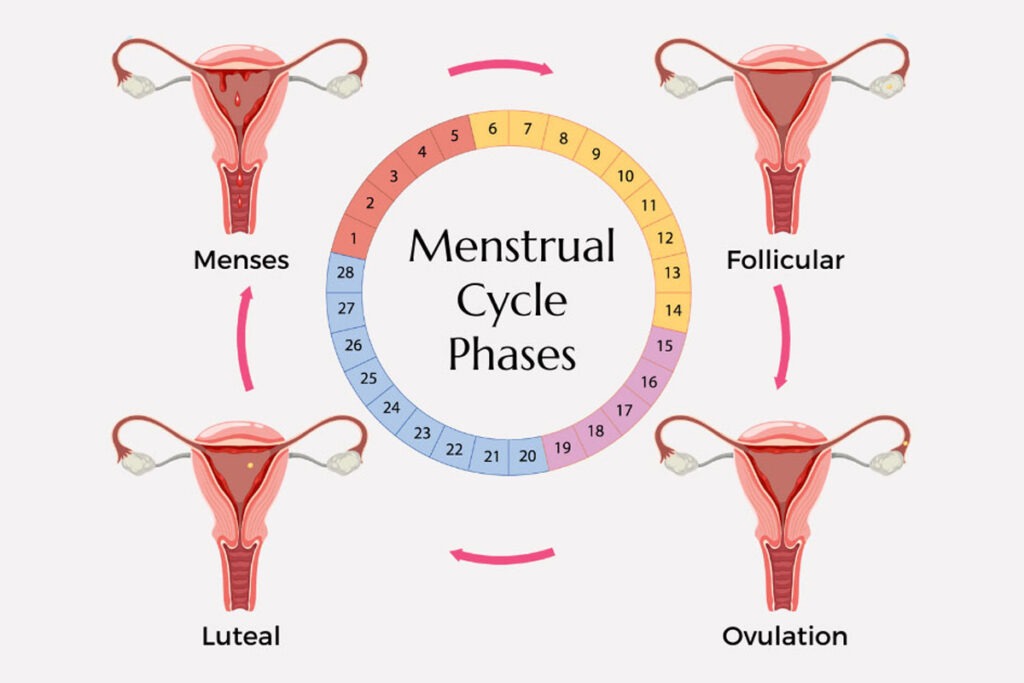
Image by brgfx on Freepik
The frozen embryo transfer timeline will help you understand what to expect from the process and why frozen embryo transfer on day 22 of the cycle can be beneficial.
Menstrual Phase (Days 1-5)
The menstrual phase involves the start of your period, when your body begins shedding the uterine lining.
Follicular Phase (Days 1-13)
Your follicular phase overlaps with the end of your period. At this time, your ovaries start producing follicles and eggs and prepare to release them.
Ovulation Phase (Day 14)
Your body produces luteinizing hormone (LH), which triggers your ovaries to release a mature egg.
Luteal Phase (Days 15-28)
After the ovulation phase, a corpus luteum forms and releases progesterone. This makes the uterine lining a more receptive environment for embryo implantation.
By correctly timing frozen embryo transfer, our doctors succeed in improving the chance of positive outcomes.
Advantages of Frozen Embryo Transfer on Day 22 of the Cycle
So, why is frozen embryo transfer on day 22 popular with the best IVF specialists in India? It has several advantages, including the following:
Lower Risk of Ovarian Hyperstimulation Syndrome (OHSS)
Women who are at an increased risk of OHSS can wait for their bodies to recover from egg retrieval before they attempt an embryo transfer.
Allows For Genetic Testing
By freezing the embryos, they can be stored for longer, and tests like preimplantation genetic testing can be carried out safely without damaging them.
Optimal Uterine Receptivity
The opportune timing of frozen embryo transfer on day 22 of cycle increases the chances of successful implantation.
Multiple Chances Without IVF
Patients often find ovarian stimulation extremely taxing due to the prescribed medications and daily injections. In frozen embryo transfer, a woman can try to conceive by using the embryos left over from the previous IVF treatment without having to go through the stimulation and egg retrieval process again.
Increased Flexibility
The embryos can be stored for as long as needed, until the right conditions for transfer are met. FET on day 22 of cycle offers flexibility in fertility treatment.
Risks of Frozen Embryo Transfer on Day 22 of Cycle
Alongside a host of advantages, frozen embryo transfer also has certain risks. These include:
Implantation Rates
In some cases, FET can result in a lower implantation rate. Bloom IVF takes special measures to ensure that FET does not diminish your chances but actually improves them.
Ectopic Pregnancy
There is a small risk of ectopic pregnancy with frozen embryo transfer.
Multiple Pregnancy
If two embryos are transferred at the same time, it can result in a multiple pregnancy.
Embryo Survival
Not all embryos survive the freezing and thawing process. At Bloom IVF, we use vitrification instead of slow freezing, which reduces this risk.
Additional Costs
When doing FET with IVF, the cost of embryo freezing is included as an additional charge in your IVF treatment plan.
What Should I Expect on Transfer Day?
On the day of your frozen embryo transfer on day 22 of cycle, you may be experiencing a range of emotions: hope, fear, and nervousness. Here is an outline of everything you can expect on this emotional and important day:
Ultrasound
Your Bloom IVF fertility specialist will first perform an ultrasound to confirm that your uterine lining is thick enough for the transfer to take place. Even if it isn’t, don’t worry. Your transfer may only be delayed by a few days or pushed to your next menstrual cycle.
Embryo Preparation
Meanwhile, your frozen embryos are thawed and carefully observed. The most viable one is then selected and prepped for transfer.
Embryo Transfer
You will be instructed to lie down. Your doctor will then insert a soft, thin, and flexible ultrasound-guided catheter tube into your uterus through the cervix. This tube is used to transfer the embryo to your body.
Post-Transfer
After the procedure, you will be asked to rest at the clinic for a short while before leaving. Since it is minimally invasive, no anaesthesia is required. You can go home afterwards and even resume work if you feel up to it.
What To Do After Frozen Embryo Transfer
Treat your embryo transfer like you would any other medical procedure – avoid strenuous activities and stress. You may experience back pain, cramping or spotting after, which is completely normal and does not indicate whether you’re pregnant or not.
Treat your body as if you were already pregnant – this involves avoiding alcohol and foods that aren’t allowed during pregnancy. Avoid sex and extreme temperatures (sauna, hot baths, heating pads) as they can potentially disrupt embryo implantation.
After embryo transfer, your fertility clinic will monitor your condition for two weeks, after which you will be given a blood test to check for pregnancy. Make sure to take all medications as directed by your fertility specialist.
If you experience any severe or unusual symptoms, contact your care team at Bloom IVF immediately.
Frequently Asked Questions
On which day of cycle is frozen embryo transfer done?
A frozen embryo transfer for day 5 embryos (blastocysts) is often performed between day 19 and day 22.
How many days bed rest after embryo transfer?
Complete bed rest after an embryo transfer is not necessary; it’s generally recommended to rest for the first 24 hours and then to resume normal activities gradually. Avoid strenuous exercise or heavy lifting for a few days.
How soon after FET can you test positive?
We generally recommend taking a beta hCG blood test or an at-home pregnancy test around 10-14 days after frozen embryo transfer.
What are the chances of success with frozen embryo transfer?
Success rates vary by clinic, age, and embryo quality. On average, FET success rates range between 50 and 70% for blastocyst stage embryos under optimal conditions.
Is it necessary to do FET exactly on day 22?
Not always. The exact day may vary based on your cycle type (natural or medicated), lining thickness, and embryo development stage. It typically falls between Day 19 and Day 22.
Have questions about your fertility journey?
Speak to a Bloom IVF specialist — book a free consultation.
Book an appointment