
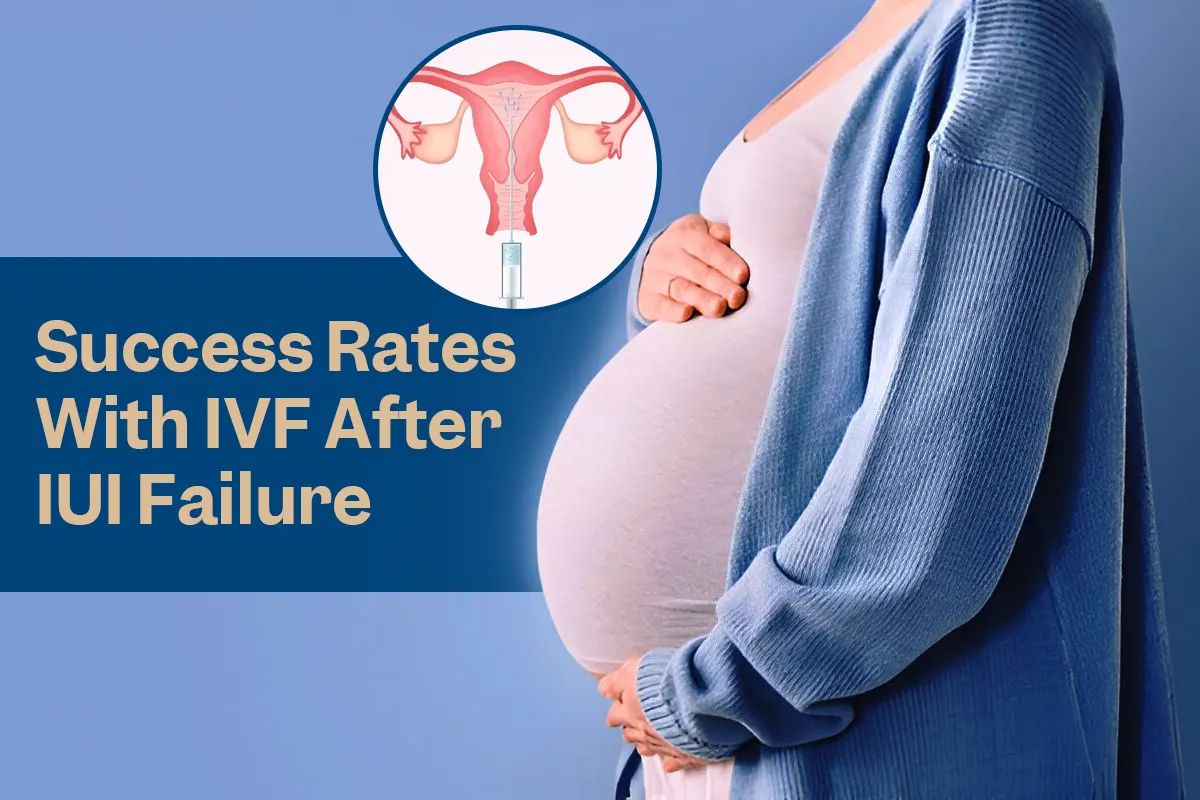
Parenthood is hard, but getting there can sometimes be harder. With medical help, couples that struggle to get pregnant naturally can successfully have a child. Experiencing failure on your path to parenthood can be disheartening, but don’t worry—this isn’t the end of your journey. For those who’ve given IUI a shot, we hope that success rates with IVF after IUI failure can help you achieve a successful pregnancy.
Understanding IUI Treatment
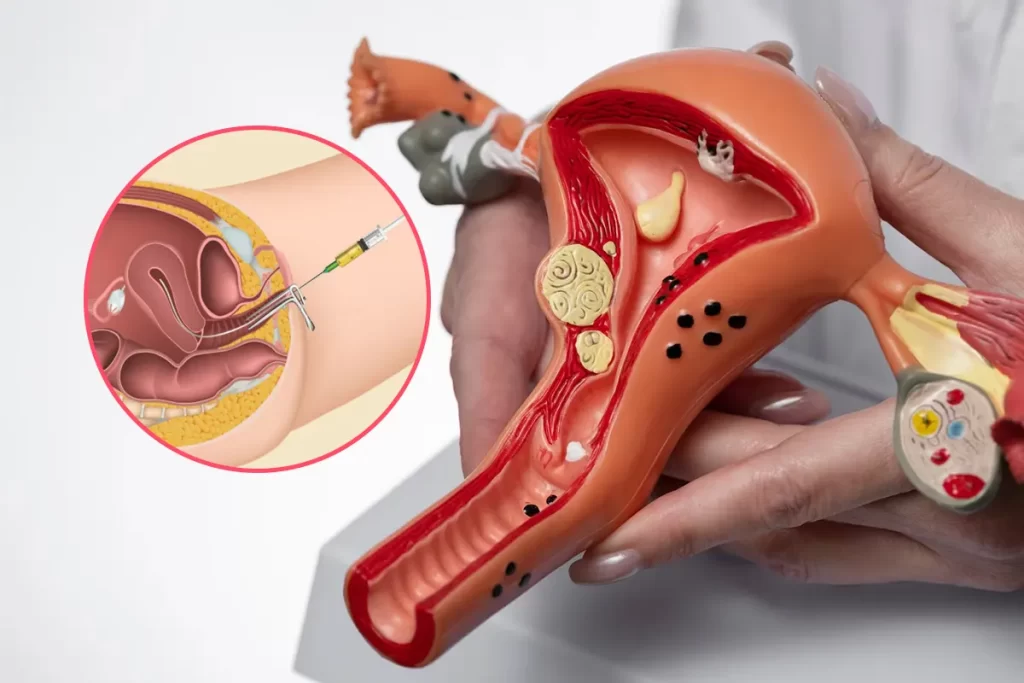
IUI, or Intrauterine Insemination, is a fertility procedure that involves placing sperm directly in a woman’s uterus during ovulation. It is a simple, minimally invasive procedure that is often the first treatment recommended to couples who have been unsuccessful in getting pregnant.
IUI increases the chances of pregnancy by reducing the distance sperm needs to travel to reach the eggs and assisting more sperm to reach the fallopian tubes, which increases the chances of fertilization.
IUI is usually recommended to patients who have:
- Unexplained infertility
- Ovulatory factor infertility
- Mild male factor infertility
- Using donor sperm
- Cervical factor infertility
IUI is cheaper and less invasive than IVF and works very well for patients with minimal fertility issues. However, if you have experienced previous IUI failures, the specialists at Bloom IVF recommend considering IVF treatment as the next step.
Why Should I Consider IVF After IUI Failure?
It’s natural to feel disheartened after experiencing multiple failed IUI attempts. Don’t worry, IVF is a fundamentally different procedure. On average, the success rate with IUI is up to 20%—aboutthe same odds as conceiving naturally. In stark contrast, IVF success rates can be as high as 40% to 60%!
So, failed IUI cycles do not rule out the possibility of success with IVF. Most patients will consider IVF after they’ve had two or three failed IUI cycles. It’s important to speak to your fertility specialist about the situation and decide what’s the best course of treatment for you.
When To Switch From IUI To IVF

While most doctors recommend doing three IUI cycles before moving on to IVF, others may recommend switching right away if circumstances like severe male factor infertility or advanced maternal age make the chances of success with IUI extremely low. Alternatively, they may recommend trying IUI again.
However, IUI is not ideal in certain cases. We recommend choosing IVF if you experience any of the following:
- Unexplained infertility
- Advanced maternal age
- Hormonal problems
- Low sperm count
- Severe male factor infertility
- Endometriosis
- Polycystic Ovary Syndrome (PCOS)
- Blocked fallopian tubes
- Low ovarian reserve
- Pelvic inflammatory disease
- Ovulation disorders
- High risk of genetic disease
IUI vs IVF Success Rates: Why IVF Succeeds Where IUI Failed
IUI is really effective for patients with a small subset of fertility issues. Beyond that, it has a very low rate of success, especially in more complicated cases. After IUI, most fertility specialists will recommend IVF as the next step – it’s simply the most effective infertility treatment there is.
IVF treatment has a much higher success rate since it handles a lot more of the reproductive process. Mature eggs are collected from the ovaries, fertilized in a lab, and monitored until embryos begin to develop. Thus, fertilization is handled outside the body. IVF with genetic testing or ICSI treatment can have even higher rates of success.
On the other hand, the IUI success rate is lower, as the procedure only deals with moving the sperm closer to the uterus. Sometimes, everything can be perfect – healthy eggs, timely ovulation, great sperm – but fertilization just doesn’t take place. Since IVF handles this, it can help patients who may have fertilization issues.
It is important to note that there is no substantial statistical data regarding the success rate of IVF after a failed IUI. But as a general practice, most patients are recommended IUI as the first step in their fertility treatment because it’s relatively simpler and non-invasive.
Factors Affecting the Success Rates of Fertility Treatments

The success rates of both IUI and IVF treatment can vary from patient to patient and are dependent on the age and health of a couple.
Certain lifestyle factors, such as smoking, drinking, and taking drugs, can decrease fertility in both women and men. Living a sedentary lifestyle will also affect your fertility in the long run.
Women above 35 years of age may observe a decrease in both sperm quality and quantity. Low ovarian reserve and poor-quality eggs can affect the rate of success with IUI and IVF. Similarly, men over 35 years of age may experience a decrease in sperm count and quality (shape, motility, DNA fragmentation).
Need Advice? Contact a Fertility Expert Today
Choosing to continue with IUI or switch to IVF can be a confusing decision to make. Seeking a second (or third!) opinion is a good idea if you’re still unsure about what to do. At Bloom IVF, the best fertility specialists in India will take the time to understand the nuances of your case and offer personalised fertility solutions that satisfy your unique requirements.
| Feature | IUI | IVF |
| Cost | Low-cost | More expensive |
| Success Rate | 20% | 40% or higher |
| Invasiveness | Minimally invasive | More invasive |
| Medication | Minimal or none | Hormonal stimulation required |
| Timeline | 2–4 weeks | 4–8 weeks |
| Best For | Mild infertility | Moderate to severe infertility |
| Not Suitable For | Blocked tubes, severe male factor, etc. | Generally applicable across most infertility diagnoses |
The high rate of IVF success makes it a favorable option for many couples who have experienced repeated IUI failures. While IVF involves greater time, cost, and complexity, it also offers greater potential for a successful pregnancy, especially when combined with advanced techniques like ICSI and genetic testing.
Book an appointment at Bloom IVF today for cost-effective, personalized, and evidence-based fertility treatments in India.
Frequently Asked Questions
Are there chances of a natural pregnancy after a failed IUI?
Yes, you can still get pregnant after a failed IUI, especially if you do not have any severe infertility issues or if the underlying fertility issue has been treated.
Which has a higher rate of success: IUI or IVF?
While the intrauterine insemination success rate is lower, IVF has a higher rate of success.
How many times should I try IUI before doing IVF?
While most doctors recommend trying IUI at least three times before moving to IVF, we recommend consulting a fertility specialist to decide the best path for you.
What are the reasons for IUI failure?
IUI can fail because of reasons like advanced maternal age, low-quality sperm or eggs, failed fertilisation, medical conditions, etc.
How is IVF different from IUI?
IVF is a more intensive and invasive process, which costs more and has a higher rate of success than IUI treatment.
Have questions about your fertility journey?
Speak to a Bloom IVF specialist — book a free consultation.
Book an appointment