Often confused with each other due to similar names and overlapping symptoms, PCOD and PCOS are often used interchangeably. Although both involve the ovaries and share similar symptoms, they differ in terms of causes, severity, impact on fertility, and long-term health risks. Is PCOD and PCOS same? Absolutely not, so let’s understand what separates them from each other.
Understanding the difference between PCOD and PCOS is essential for women trying to conceive and those seeking fertility treatment options. In this blog, we’ll help you clearly understand how PCOD and PCOS differ, how each affects your body, and what you can do to manage them effectively.
What is PCOD?
In PCOD (Polycystic Ovarian Disease), the ovaries produce large numbers of immature eggs, which turn into cysts or fluid-filled sacs. This interferes with regular ovulation and causes the ovaries to produce excess androgens (male hormones), which disrupt the body’s hormonal balance and cause irregular menstrual cycles.
What is PCOS?
In PCOS (Polycystic Ovary Syndrome), the ovaries produce higher levels of androgens, which disrupt the regular cycle of ovulation. This hormonal imbalance can sometimes cause the eggs in the ovaries to develop into cysts.
Unlike in PCOD, these cysts aren’t released; they remain in the ovaries and build up over time. While PCOS can involve cysts, not all women with ovarian cysts have PCOS.
Is PCOD and PCOS Same?
So, is PCOD and PCOS the same? The major similarity between PCOD and PCOS is that both involve the formation of ovarian cysts: tiny fluid-filled sacs that serve no purpose other than getting in the way of ovulation.
The Symptoms of PCOD and PCOS
PCOD and PCOS are different disorders, but they share certain symptoms. It’s not necessary for all women who have PCOD/PCOS to experience the same symptoms. Some may not have any symptoms at all.
Key Symptoms of PCOD

The following are some of the major symptoms of PCOD:
- Irregular or delayed periods
- Loss of periods
- High blood pressure
- Excessive hair growth on the body (hirsutism)
- Mood swings
- Heavy periods
- Sudden weight gain
- Difficulty losing weight
- Acne
- Insulin resistance or type 2 diabetes
Key Symptoms of PCOS
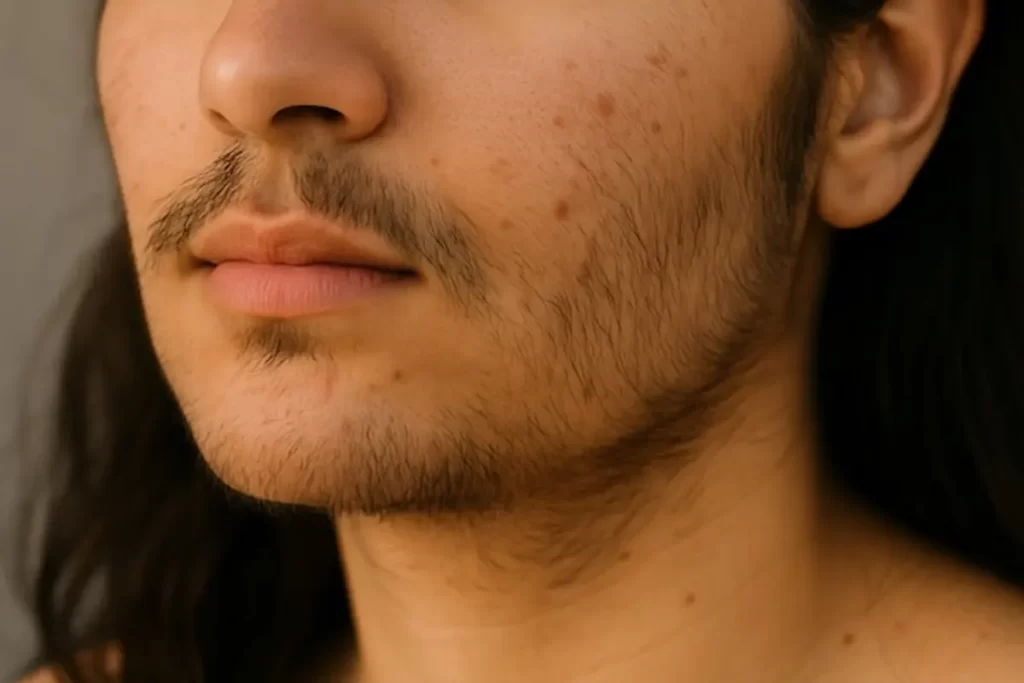
On top of all the symptoms associated with PCOD, women with PCOS may experience any of the following symptoms:
- Infertility
- Darkening of skin on the neck, underarms, and groin
- Fatigue
- Pelvic pain or discomfort
- Male pattern baldness
- Sleep disorders
Is PCOD and PCOS Same? Exploring Key Differences
Here’s a clear comparison between PCOD and PCOS based on factors like cause, symptoms, prevalence, and impact on fertility:
| Factor | PCOD | PCOS |
|---|---|---|
| Cause | In PCOD, the ovaries produce immature or partially mature eggs that develop into cysts. | PCOS is an endocrine disorder in which the androgen production of the body increases. |
| Prevalence | 10% of the world’s female population has PCOD. | PCOS affects 8 to 13% of women of reproductive age. |
| Diagnosis | Diagnosed by the presence of cysts and irregular periods. | Diagnosed using the Rotterdam criteria, which requires at least two of the following: irregular ovulation, elevated androgens, and polycystic ovaries visible on ultrasound. |
| Long-Term Risk | PCOD is milder and may not lead to serious complications, but it can still contribute to metabolic concerns if not well-managed. | PCOS is associated with complications including high blood pressure, type 2 diabetes, endometrial cancer, and heart disease. |
| Ovulation | PCOD has a mild impact on fertility, as women with this condition are still able to ovulate. | PCOS has a serious effect on fertility since patients cannot ovulate regularly. |
| Fertility | Almost 80% of patients are able to conceive after medical assistance. | Patients find it difficult to conceive and also face a higher risk of pregnancy complications like premature birth or miscarriage. |
| Severity | PCOD may cause mild symptoms that are easily manageable through lifestyle changes and medication. | PCOS causes more serious symptoms from a young age and may need advanced medical treatment or surgery. |
| Symptoms | PCOD can cause hirsutism in some women, but it is more common and pronounced in PCOS due to higher androgen levels. | PCOS can cause symptoms like hirsutism, weight gain, acne, and male pattern baldness. |
Impact of PCOD and PCOS on Fertility
Both PCOD and PCOS affect fertility and chances of conception. PCOD has a lesser impact on fertility, as most women with PCOD can become pregnant with some medical attention. PCOS can be far more complicated to deal with.
A balanced hormonal environment is a must for conception. Since PCOS is a hormonal disorder, it causes hormonal irregularities that make it very hard to conceive naturally.
Future Complications With PCOD and PCOS
If left untreated, both PCOD and PCOS pose certain health risks and complications.
According to the World Health Organization (WHO), PCOD can cause type 2 diabetes, obesity, and mental health issues like depression. PCOS poses more serious complications like high blood pressure, hyperglycemia, pregnancy complications, and endometrial cancer. It also increases the risk of strokes, diabetes, heart disease, and sleep apnea.
Patients with PCOS/PCOD are advised to carefully monitor their health and regularly consult their doctor for tests and treatment protocols.
How Do I Get a PCOD or PCOS Diagnosis?
If you think you have PCOD or PCOS, the first step would be visiting a gynecologist and explaining your symptoms. Your doctor may want to conduct certain tests to diagnose you correctly. These include:
- Blood tests to measure insulin levels and hormone levels of luteinizing hormone (LH), prolactin (PRL), follicle-stimulating hormone (FSH), and testosterone
- Ultrasound imaging tests
- Pelvic examination
- Blood pressure monitoring
- Blood glucose monitoring
- Testing for obstructive sleep apnea
Treatment For PCOD and PCOS
Treatment for both PCOD and PCOS involves taking steps to reduce the effects of the symptoms associated with them. Lifestyle changes and good physical health may be enough to keep PCOD under control. Anti-androgens are sometimes prescribed to reduce acne and hair growth.
Hormone replacement therapy is the most common treatment for PCOS. Oral contraceptives (birth control) are used to stabilize and regulate the menstrual cycle and reduce the effects of other symptoms. Contraceptive pills contain progestin and estrogen, which restore the body’s hormonal balance. Sometimes birth control pills are also used to treat PCOD.
Clomiphene may also be administered during PCOS treatment. While it increases the chances of conception, it also increases the risk of multiple births.
Depending on the underlying cause of PCOD/PCOS, your doctor may recommend making changes to your diet, exercise, and medication to prevent the possibility of diabetes and endometrial cancer in the future.
Is There a Permanent Cure for PCOD and PCOS?
No, unfortunately there is no permanent cure for either PCOD or PCOS. Treatment for both conditions involves medication and lifestyle changes that aim to minimize the effects of symptoms and reduce their severity.
The treatment tackles each symptom one by one to completely remove or minimize its effect. Early diagnosis and consistent treatment are essential for managing both PCOD and PCOS effectively.
If you’re struggling with symptoms of PCOD or PCOS or have concerns about fertility, consult with a fertility expert at Bloom IVF. Our experienced team offers personalized care and cutting-edge treatment options to help you take charge of your health and fertility.
Final Thoughts: Understanding the PCOD vs PCOS Difference
No, PCOD and PCOS are similar but not the same. They may have similar symptoms but affect your overall health and fertility in different ways. Both require a unique treatment approach and can be managed through lifestyle changes and medication.
PCOD is a milder condition that affects the ovaries. PCOS, however, is a more serious endocrine disorder with a greater impact on physical and reproductive health. It also poses certain potential long-term health risks.
Do you feel like you have PCOS or PCOD? These conditions undoubtedly affect many aspects of your life, including fertility. For highly effective PCOS care and fertility solutions, book a consultation at Bloom IVF.
Frequently Asked Questions
Which is more complicated to treat: PCOD or PCOS?
PCOS is generally considered more complicated and harder to treat since it’s an endocrine disorder; it can cause long-term health risks and harm fertility.
Can women with PCOD get pregnant?
Yes, most women with PCOD can conceive naturally with lifestyle changes and minimal medical support.
Is PCOD and PCOS same? Do they have the same symptoms?
Yes, PCOD and PCOS share certain symptoms like irregular periods, acne, and weight gain, but PCOS symptoms are often more severe.
Is long-term use of birth control pills safe for PCOS?
Yes, as long as they are prescribed by a doctor and monitored regularly, birth control pills are generally safe and effective for managing PCOS symptoms.
Have questions about your fertility journey?
Speak to a Bloom IVF specialist — book a free consultation.
Book an appointment