Are PCOD and egg quality issues stopping you from getting pregnant? If you’ve been diagnosed with PCOD and are worried about your fertility, you’re not alone. PCOD-related infertility can be treated through a combination of lifestyle changes and medical treatment. In this blog, we explain how Polycystic Ovarian Disease affects egg quality and the treatments you can choose to increase your odds of a successful pregnancy.
What is Polycystic Ovarian Disease (PCOD)?
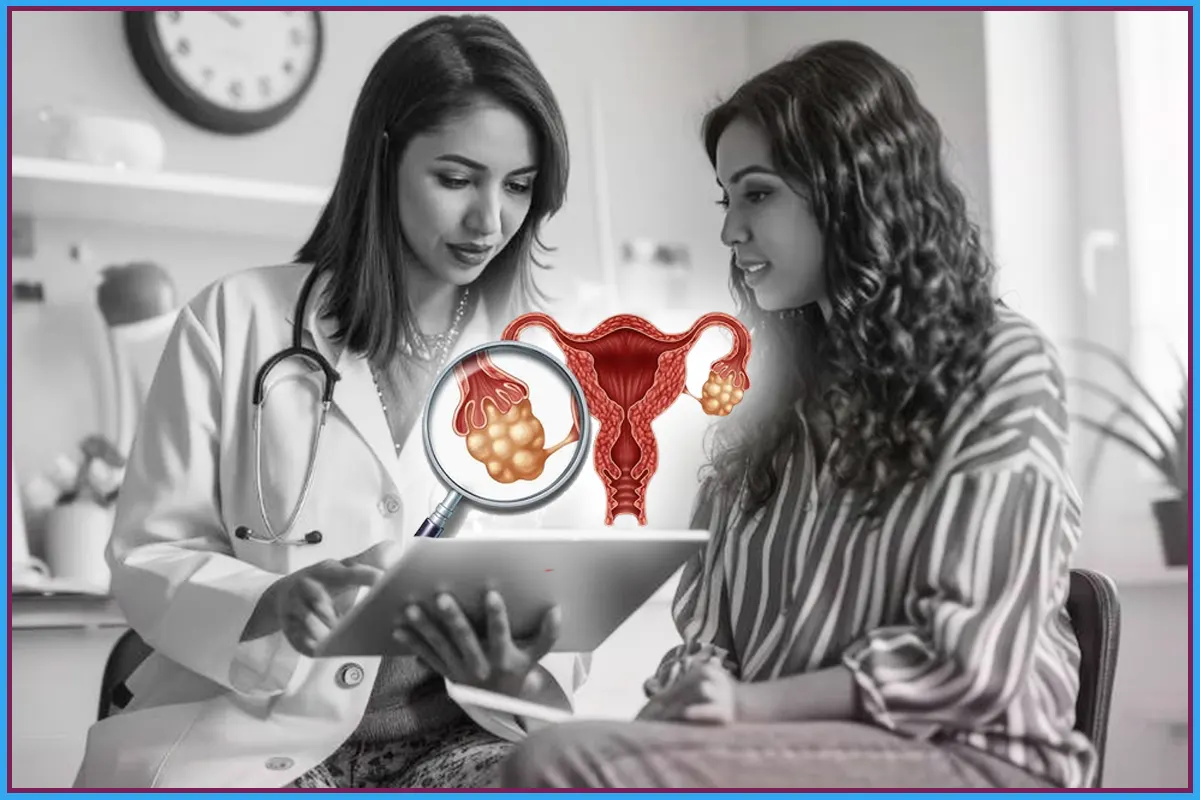
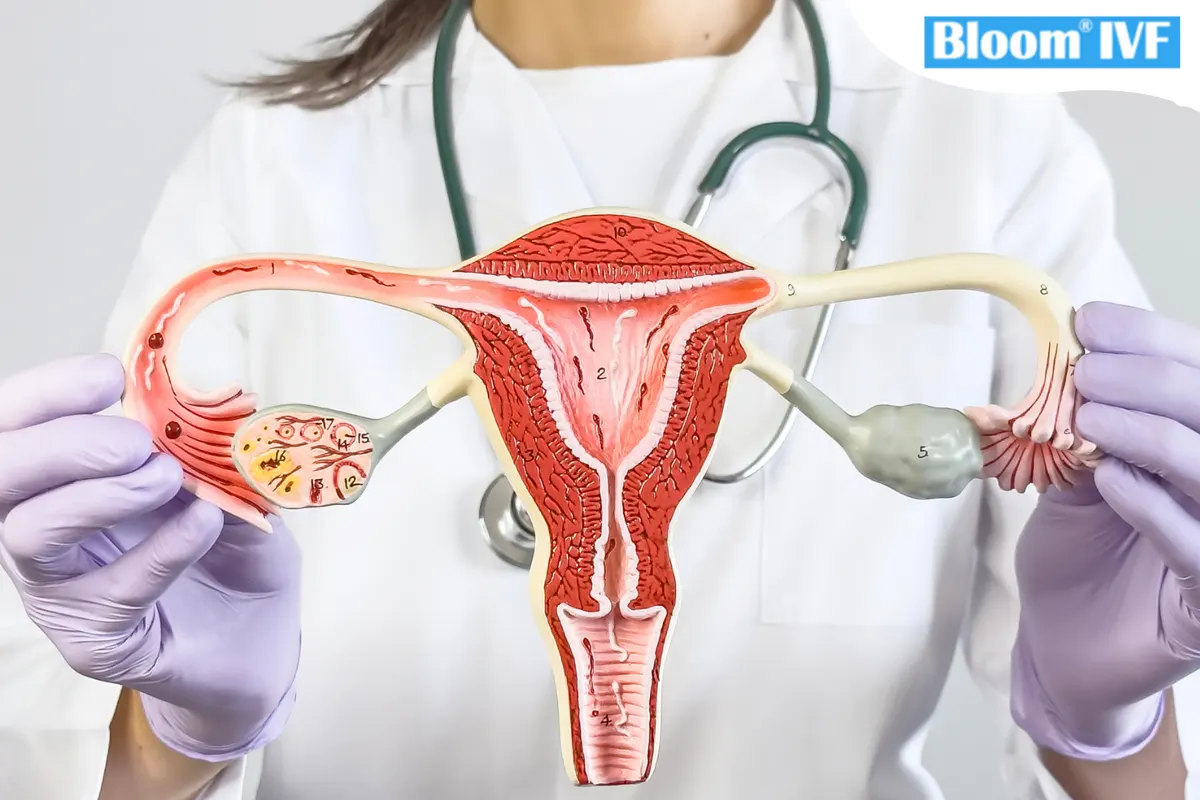
Polycystic Ovarian Disease is caused when immature egg follicles build up on the ovaries, giving it a ‘polycystic’ appearance. It can increase the level of androgens (male hormones) in the body and increase the body’s resistance to insulin. The exact cause of PCOD is not known, which is why there is no cure for it yet.
Common external symptoms of PCOD include acne, excessive body hair, and obesity. PCOD (Polycystic Ovarian Disease) is often used interchangeably with PMOS (Polyendocrine Metabolic Ovarian Syndrome), especially in India.
However, PCOD is generally considered a milder form of the condition and involves less severe metabolic and hormonal disturbances. Women with PCOD also have fewer fertility-related complications than those with PMOS.
At Bloom IVF, we offer custom treatment protocols for each condition instead of following a standardized cookie-cutter approach. Call us at +91 9871717305 / 8433732400 and book your free fertility consultation today.
PCOD and Egg Quality: How PCOD Affects Fertility
Do you know why PCOD makes it harder to get pregnant? This condition causes hormonal imbalances that disrupt ovulation, cause insulin resistance, and affect endometrial health.
I] Hormonal Imbalance
In PCOD, your ovaries produce higher levels of androgens, which disrupts the balance of hormones and affects the regular working of your reproductive system. Androgens can hinder egg development by stopping them from maturing on time.
II] Irregular Ovulation
One of the most prominent symptoms of PCOD is irregular ovulation. Hormonal imbalances stop eggs from releasing every month, which can make ovulation unpredictable in women with PCOD.
III] Insulin Resistance
Women with PCOD often deal with insulin resistance as well. Their body doesn’t respond properly to insulin, which can cause elevated androgen levels. High androgen levels interfere with egg development. Even if your ovaries release eggs, they might not have matured enough.
IV] Endometrial Health
Women with PCOD have irregular or missed periods. Their endometrium (uterine lining) builds up and doesn’t shed properly. This can affect the health of the endometrium and make it harder for embryos to implant.
PCOD and egg quality issues can lower your chances of conceiving naturally. However, not all women with PCOD have low egg quality. Getting pregnant with PCOD is possible with timely diagnosis and treatment.
At Bloom IVF, our specialists create tailored treatment plans that address both hormonal balance and egg quality. Book your consultation and take the first step towards a successful pregnancy.
Improving Egg Health in Women with PCOD
Women with PCOD and egg issues can improve egg quality by restoring their body’s hormonal balance and regulating insulin production. Treatments like lifestyle modifications, hormonal medication, and ovulation-inducing medication can treat PCOD egg quality issues and increase your chances of getting pregnant naturally.
I] Lifestyle Modifications
Making lifestyle changes is usually the first step to treat PCOD fertility issues. Regular exercise can improve your body’s sensitivity to insulin and potentially regulate ovulation. Losing weight can prevent hormone imbalances and stop insulin resistance from getting worse.
Avoid processed and sugary foods, fried foods, red meat, processed meat, and starchy vegetables. A fertility specialist at Bloom IVF can create a personalized diet plan for you based on your metabolic health and PCOD symptoms.
II] Diet Improvements
Women with PCOD are also likely to deal with chronic inflammation, insulin resistance and obesity. In general, women with PCOD are told to include foods rich in Omega-3 fatty acids like salmon, kidney beans (rajma), chia seeds, soybeans, walnuts, and avocados.
Avoid processed and sugary foods, fried foods, red meat, processed meat, and starchy vegetables. A fertility specialist at Bloom IVF can create a personalized diet plan for you based on your metabolic health and PCOD symptoms.
III] Hormonal Treatments
Hormonal treatment, like the name suggests, can be used to treat hormonal imbalances caused by PCOD and egg quality problems. Hormonal birth control pills can be used to reduce excess androgen levels in your body and prevent your uterine lining from building up.
You shouldn’t use hormonal contraceptives when you’re actively trying to get pregnant, but sometimes doctors will recommend using them to regulate your menstrual cycle before you start IVF treatment.
IV] Insulin-Sensitizing Medication
You may also be offered Metformin, a medicine that increases your body’s sensitivity to insulin. When insulin levels are under control, androgen levels drop too, and you could start ovulating regularly.
V] Medications to Induce Ovulation
Certain medications, like Clomiphene Citrate and Letrozole, can be used to “induce” ovulation in women. These medicines can help the ovaries release eggs for fertilization.
VI] Egg Freezing
Women who do not want children right away but want to be proactive about their fertility can choose to freeze their eggs. Egg quality declines with age, and fertility preservation techniques like egg freezing allow you to use younger, healthier eggs and improve your chances of success if you need IVF in the future.
VII] Assisted Reproductive Technologies (ART)
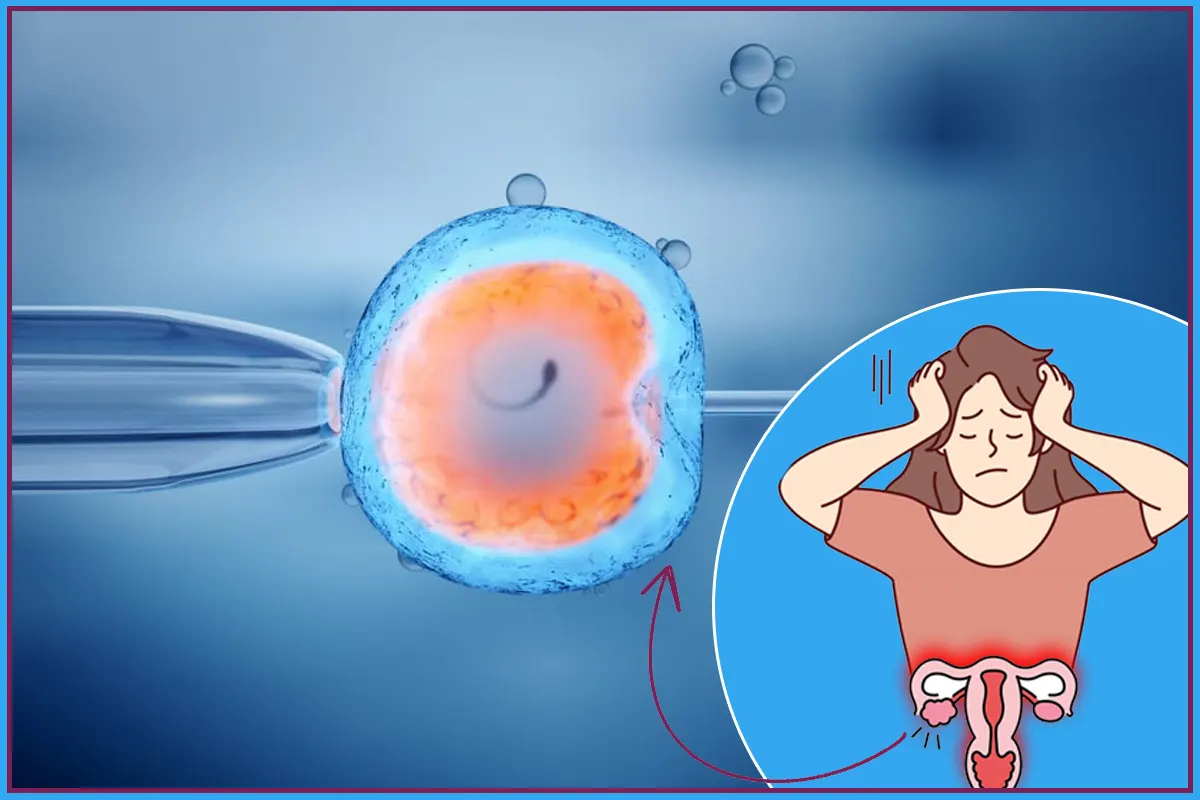
Fertility treatments like in vitro fertilization (IVF) can help women with PCOD conceive. In in vitro fertilization, the woman is given medicines to induce ovulation and produce multiple mature eggs at once. These eggs are collected and fertilized outside the body, and the most viable embryos are placed back in her uterus.
This treatment can help women with PCOD and egg quality issues conceive safely. It has high success rates and is often recommended if you do not respond well to other treatments.
IVF Success for Women with PCOD
Most women with PCOD do ovulate, but irregularly. Women who already have fertility issues may find it harder to conceive with PCOD and poor egg quality. The right treatment regulates your ovulation and improves egg quality to help you conceive.
IVF treatment improves pregnancy chances in women with PCOD and egg quality issues. With the right stimulation protocols, IVF success rates in women with PCOD are comparable to those without PCOD. Your success with IVF treatment depends on age, your egg quality, and overall health.
Choose Bloom IVF for PCOD and Egg Quality Treatment
It is possible for you to get pregnant with PCOD. Managing stress and receiving high-quality medical care can greatly improve your fertility outcomes.
Treating PCOD requires a holistic approach. Bloom IVF offers personalized treatment plans tailored to your medical condition, lifestyle, and reproductive goals. Our fertility counselors can help you deal with the emotional challenge of PCOD and infertility. We offer full support, personalized guidance, and counselling to every patient.
Struggling with PCOD and fertility concerns? Book a consultation at Bloom IVF today for top-rated, high-quality medical treatment for PCOD-related fertility problems.
Frequently Asked Questions:
What causes PCOD?
The cause of PCOD is currently unknown, which makes this condition difficult to treat.
Can PCOD be cured?
No, PCOD cannot be cured. PCOD treatment focuses on providing relief from symptoms, preventing long-term health risks, and improving fertility outcomes.
What is the best treatment for PCOD?
PCOD treatment often combines lifestyle changes with medication to induce ovulation. Some women may also need assisted reproductive techniques.
What diet changes should I make to improve fertility with PCOD?
The best diet for PCOD includes lots of lean proteins, complex carbs, fiber, healthy fats, and low GI foods. Avoid sugary, processed, and fried foods, refined carbs, some types of dairy, and red meat.
Have questions about your fertility journey?
Speak to a Bloom IVF specialist — book a free consultation.
Book an appointment