PCOD is a complex condition that affects an estimated 10–13% of women worldwide. Dealing with this condition can be confusing, since it affects everyone differently. From symptoms and diagnosis to treatment and lifestyle changes, we answer the questions we’ve received from our patients in these PCOD FAQs.
1. What is PCOD?
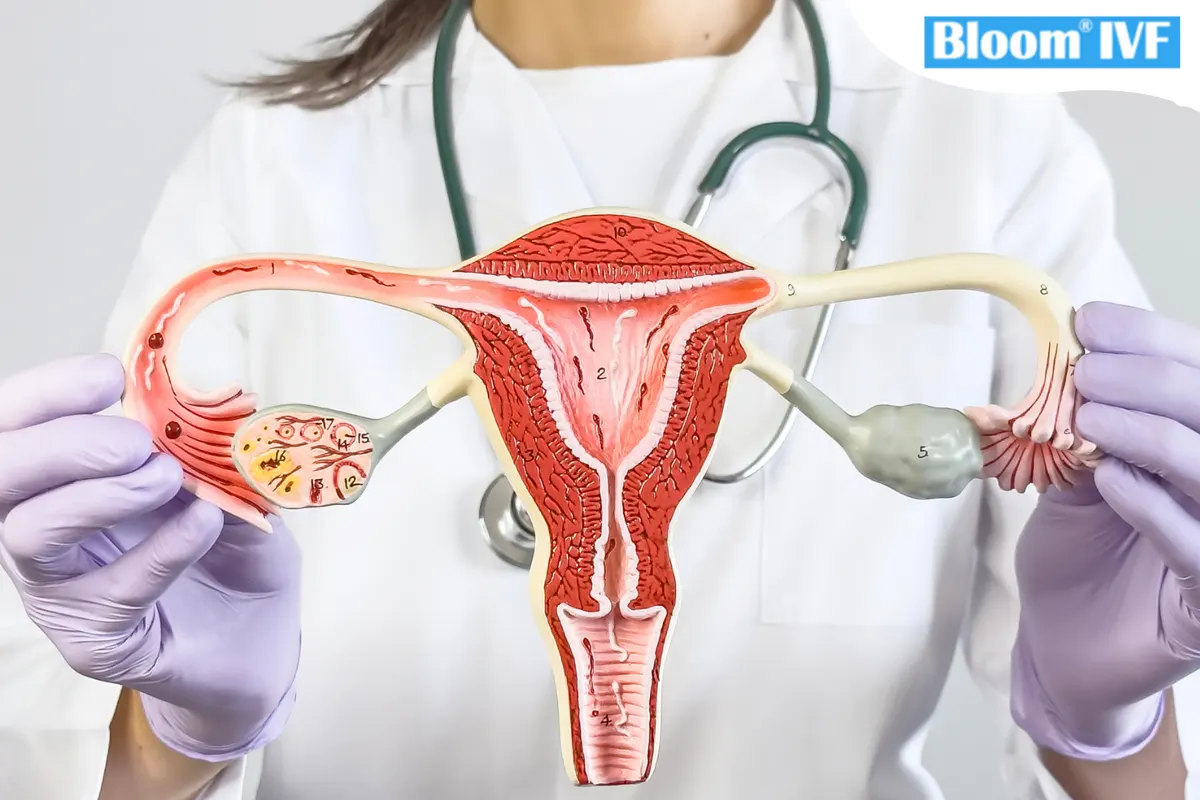
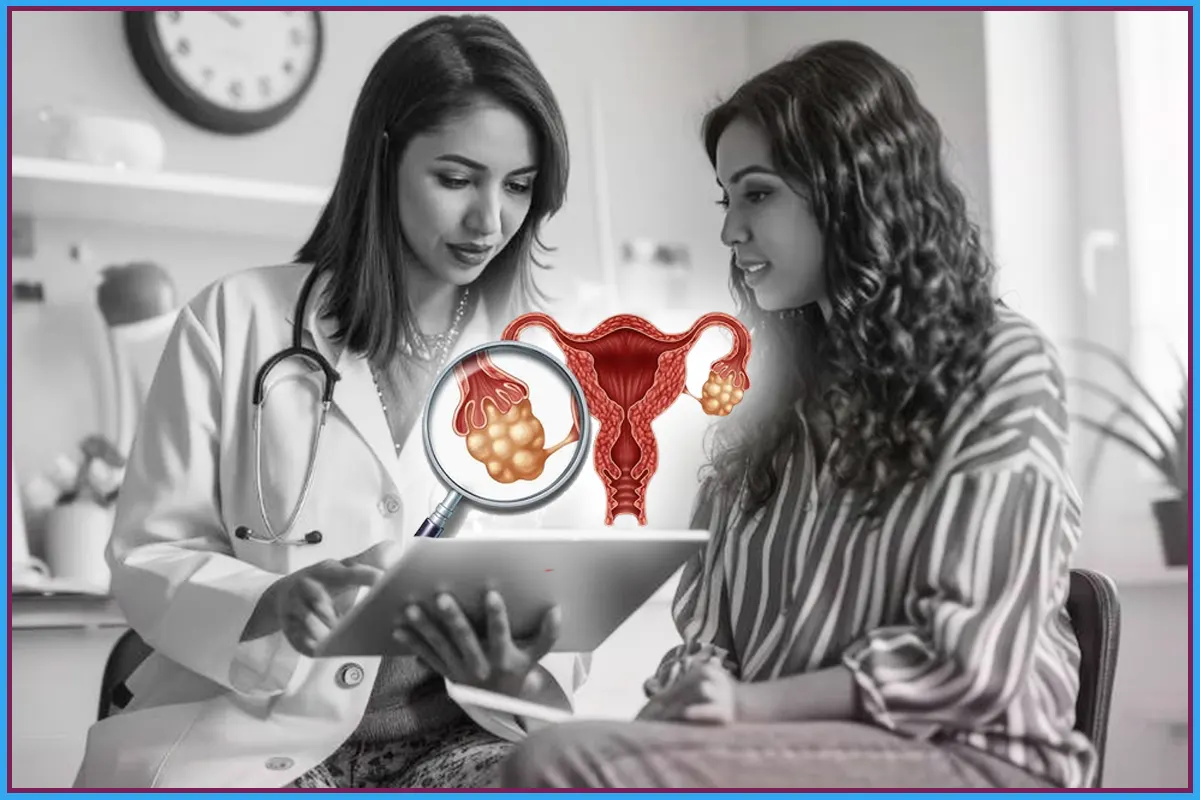
In this condition, eggs may not mature or be released regularly during ovulation. This can cause small, immature follicles to remain in the ovaries, leading to hormonal imbalances and irregular periods. These immature follicles can contribute to hormonal imbalances and menstrual irregularities.
2. What are the causes and risk factors of PCOD?
The exact cause of PCOD is currently unknown. It is linked to factors like hormonal imbalance, low-grade inflammation, genetics, and insulin resistance:
Hormonal Imbalance
Most women with PCOD display high androgen levels.
Insulin Resistance
Hormonal imbalances may contribute to insulin resistance in women with PCOD. Their bodies do not respond properly to insulin, which increases their insulin levels and promote weight gain.
Genetics
You have a higher chance of developing PCOD if someone in your family has it.
Inflammation
Low-grade chronic inflammation could contribute to developing PCOD or its symptoms.
3. What are the common signs and symptoms of PCOD?
PCOD causes hormonal imbalances, specifically an increase in androgens (male hormones). This can cause symptoms like the growth of thick, dark hair on the face and body. Symptoms can start in adolescence, but many women do not get diagnosed until their 20s or 30s.
The most common signs of PCOD include:
- Missed periods or absence of menstruation (amenorrhea)
- Irregular menstruation (oligomenorrhea)
- Irregular or no ovulation (anovulation)
- Heavy menstrual bleeding (menorrhagia)
- Acne on the face and body
- Excessive hair growth on the face and body (hirsutism)
- Hair thinning or hair loss
- Oily skin
- Difficulty conceiving
4. When should I see a doctor for PCOD?
You should consult a doctor or a gynecologist if you experience the following symptoms:
- Pelvic pain
- Irregular periods
- Difficulty conceiving
- Sudden weight gain or difficulty losing weight
- Family history of PCOD
- Hard-to-treat acne
- Excess facial and bodily hair
5. How is PCOD diagnosed?
PCOD is diagnosed through a combination of tests, including symptom assessment, review of your medical history, physical examination, blood tests, and ultrasounds. Diagnosis is often based on the Rotterdam Criteria, in which patients must display any two out of these three symptoms:
- Signs of excess androgen levels
- “Polycystic” appearance of ovaries in ultrasound scans
- Irregular or absent ovulation
Medical History and Symptom Assessment
Your doctor will discuss your symptoms, menstrual history, and family history of related conditions with you.
Physical Examination
In a physical exam, your doctor checks your physical appearance for symptoms of PCOD, including acne and hair fall. They will also evaluate your weight and BMI.
Pelvic Examination
A pelvic examination may help your doctor check for swelling, tenderness, or other abnormal signs in the pelvic organs.
Blood Tests
Blood tests are used to check your hormone levels and identify the cause of your symptoms.
Pelvic Ultrasound
A pelvic ultrasound helps observe the size of your ovaries and whether there are any immature follicles on them.
6. Can PCOD go away after marriage/pregnancy?
No, PCOD is a chronic condition that does not go away after marriage or pregnancy. Some women may experience temporary relief from their symptoms during pregnancy, but symptoms may return once they stop breastfeeding.
7. What lifestyle changes should I make for PCOD management?
Not every PCOD patient requires intensive medical treatment. Some women can see noticeable improvements just from lifestyle changes. Managing PCOD symptoms is possible by maintaining a healthy weight, exercising regularly, and following a PCOD-friendly diet. These steps can reduce the body’s sensitivity to insulin and improve regular menstruation and ovulation.
Weight Loss
Losing just 5 to 10% of weight can help in improving ovulation.
Diet and Nutrition
Include high-fibre and low-glycemic index foods in your diet. Low GI foods digest slowly and prevent your insulin levels from spiking quickly.
Physical Activity
Physical exercise can help improve the body’s sensitivity to insulin, which supports weight loss and lowers stress levels. Speak to a PCOD specialist at Bloom IVF to discuss your symptoms and long-term PCOD management. Fill out our contact form for a free fertility consultation.
8. Can I get pregnant with PCOD?
Yes, it is possible for women with PCOD to get pregnant naturally or with medical assistance. While PCOD can interfere with ovulation, it may also affect egg quality and hormonal balance in some cases. PCOD treatment can restore ovulation and make pregnancy a possibility.
9. Which foods should I avoid with PCOD?
PCOD is associated with insulin resistance and hormonal imbalances. Your diet should minimize foods that may aggravate these symptoms.
- Ultra-processed foods (like ready to eat, prepackaged snacks and meals)
- Sugary foods
- Carbonated beverages
- Refined carbohydrates (white bread, cake)
- Processed meat (like sausages and salami)
- Fried food
These foods could spike insulin levels and contribute to weight gain. Replacing these items with healthy alternatives can improve PCOD symptoms.
10. Can PCOD cause complications if left untreated?
If left untreated, PCOD can increase the risk of the following health complications:
- Insulin resistance
- Type 2 diabetes
- High cholesterol
- High blood pressure
- Non-alcoholic fatty liver disease
- Endometrial cancer
- Sleep apnea
Timely medical treatment and a healthy lifestyle can greatly reduce the risk of these health complications.
11. Can weight gain cause PCOD?
No, weight gain does not cause PCOD. It is a symptom of the condition and usually occurs because of insulin resistance. Not all women with PCOD gain weight: women who are underweight or have normal body weight can also have PCOD.
12. Can PCOD be cured naturally?
No, PCOD cannot be cured naturally. Most natural treatments rely on anecdotal evidence, and their effects have not been scientifically proven. However, lifestyle changes can significantly improve symptoms and help manage the condition long term.
13. What medical treatments for PCOD are available?
PCOD treatment focuses on reducing insulin resistance, regulating menstrual cycles, and restoring hormonal balance. Treatment options include lifestyle modifications, medication, and fertility drugs.
14. How is infertility treated in women with PCOD?
Many women with PCOD struggle with fertility issues. Treatment focuses on restoring ovulation and regulating hormonal balance. Women with severe PCOD may require surgical treatment or assisted reproductive technology (ART) treatments.
Ovulation-Inducing Medications
Clomiphene citrate or letrozole is used to induce ovulation.
Metformin
This medicine is prescribed to improve insulin sensitivity and regulate insulin levels
Ovarian Stimulation
Ovarian stimulation is commonly used in IVF and may also be used alongside IUI to improve success rates. This procedure involves taking injectable fertility medication for 10 days to stimulate the ovaries to produce multiple mature eggs.
IUI
Intrauterine insemination involves placing prepared sperm directly into the uterus to improve the chances of fertilization. This can help bypass mild male fertility issues and cervical factor infertility.
IVF
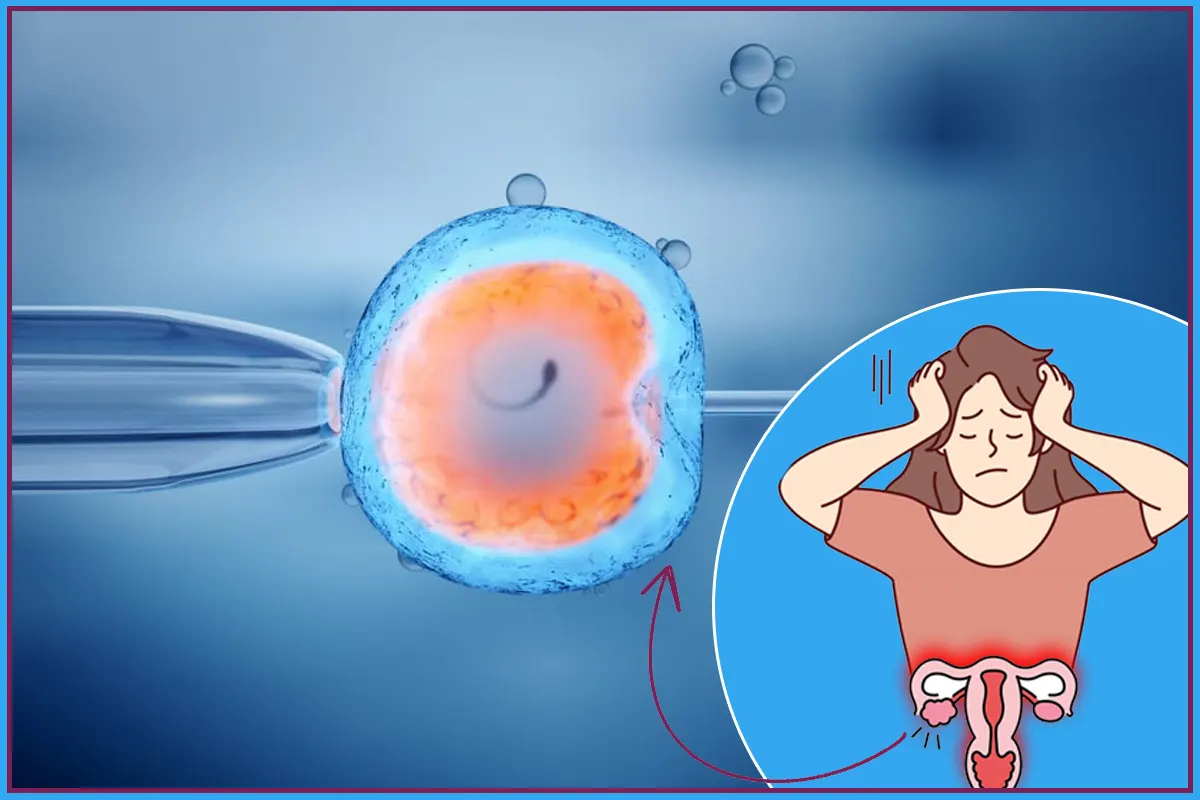
In vitro fertilization involves taking eggs and sperm and mixing them together in a laboratory to create embryos. The most viable embryo(s) are then transferred to the woman’s uterus. IVF has higher success rates than IUI, but is more expensive.
Ovarian Drilling
Surgically removing tissue from the ovaries can lower androgen production and restore hormonal imbalances.
At Bloom IVF, our fertility specialists evaluate each case individually and create personalized treatment plans to give each patient the best chance at success.
Have questions about your fertility journey?
Speak to a Bloom IVF specialist — book a free consultation.
Book an appointment