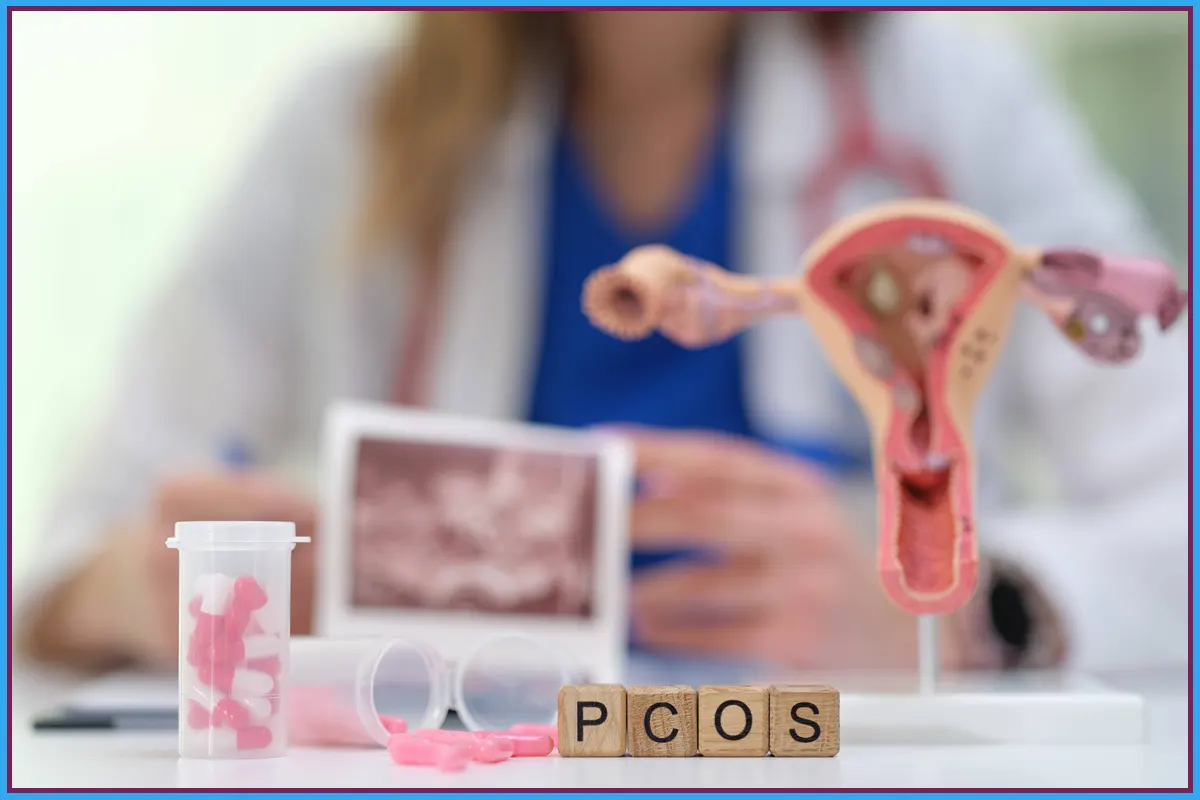
PMOS affects 5-15% of women of reproductive age and is one of the leading causes of female infertility. This condition can make pregnancy difficult, but not impossible. Understanding how PMOS affects egg quality can help you optimize your reproductive health and improve your chances of pregnancy. In this blog, we discuss how PMOS and egg quality issues can be treated through lifestyle management and medical intervention.
What is Polyendocrine Metabolic Ovarian Syndrome?
In Polyendocrine Metabolic Ovarian Syndrome (PMOS), a woman’s body produces excess androgens (male hormones). These hormones disrupt the body’s hormonal balance and cause issues like insulin resistance and chronic anovulation, where the ovaries do not release eggs during the menstrual cycle.
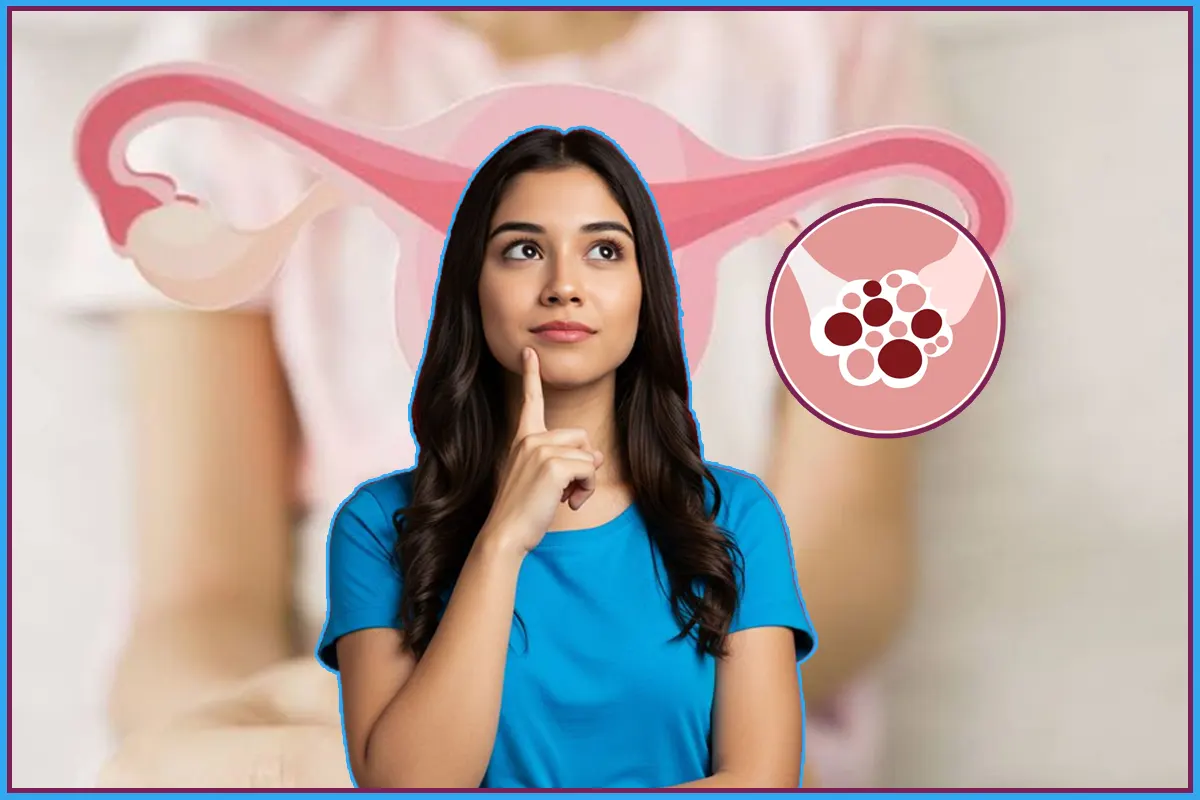
Normally, when you ovulate, a follicle (egg containing sac) grows in the ovary and ruptures, releasing 1 or 2 mature eggs each month. In PMOS, hyperandrogenism (high androgen levels) interferes with egg development and stops eggs from maturing and being released each month. As a result, many small immature follicles remain in the ovaries and are seen on ultrasound. These are immature follicles.
PMOS is an endocrine disorder with no known cure. What actually causes it is unknown as well, but research suggests a combination of genetic and environmental factors.
The Link Between PMOS and Fertility
PMOS can affect female fertility and make it harder for you to get pregnant.
I] Irregular Ovulation or Anovulation
Excess androgens can prevent eggs from maturing and cause irregular ovulation or anovulation (absence of ovulation), which reduces your chances of natural conception.
II] Insulin Resistance
Women with PMOS often have insulin resistance, where the body responds poorly to insulin. As a result, they produce more insulin. High insulin levels make the ovaries produce more androgens, which makes PMOS symptoms worse.
III] Obesity
Due to insulin resistance, PMOS makes it difficult for you to lose weight. Obesity can further reduce insulin sensitivity, increase hormonal imbalances, and make it harder to get pregnant.
IV] Chronic Inflammation
PMOS often runs in families, which suggests that there’s a genetic link there. Doctors will often ask if any of your family members have PMOS while making a diagnosis.
V] Increased Risk of Miscarriage
PMOS slightly increases the risk of early pregnancy loss (due to low egg quality and reduced embryo implantation). Book a consultation at a Bloom IVF clinic and get a comprehensive fertility checkup to determine whether you are at risk of implantation failure.
VI] Increased Risk of Pregnancy Complications
Women with PMOS have a greater risk of developing gestational diabetes and preeclampsia (high blood pressure), and have higher rates of preterm birth and C-section delivery.
Can PMOS Affect Egg Quality?
PMOS interferes with regular ovulation and creates a hostile environment for egg development. Women with PMOS and egg quality issues often struggle with infertility due to the following factors:
I] Elevated Androgen Levels
High androgen levels can create hormonal imbalances, which interfere with egg development by stopping follicles from developing properly.
II] Oxidative Stress
PMOS is linked with increased oxidative stress in the body. It can cause an imbalance between antioxidants and free radicals in the body, which can break DNA strands in developing eggs and lower their rate of fertilization.
III] Inflammation
Chronic inflammation can increase levels of C-reactive protein, tumor necrosis factor-alpha, and interleukin-6 in the body, which can hinder egg development and increase DNA damage in your eggs.
IV] Insulin Resistance
Insulin resistance interferes with egg development by affecting cellular energy production and how nutrients reach developing eggs. It can also contribute to advanced glycation end products collecting in the follicles and damaging egg development.
Improving Egg Quality in Women with PMOS
Not all women with PMOS have poor egg quality. Many have a higher ovarian reserve than normal (since they have fewer periods). Even women with good egg quality can have irregular ovulation and hormonal imbalances that interfere with egg maturation and release.
Timely and high-quality PMOS treatment in India can improve your chance of conception. Here are the various treatment options Bloom IVF offers:
I] Lifestyle Management
Making lifestyle changes like exercise, weight management, stress management, and diet changes can improve female fertility.
1. Exercise
Regular exercise can improve insulin sensitivity and regulate hormone production in women with PMOS. Choose mild to moderate options like strength training, yoga, pilates, walking, cycling, or swimming for the best results.
2. Weight Management
Losing weight can regulate ovulation and potentially improve reproductive outcomes.
3. Stress Management
Chronic stress can increase cortisol levels, which can make PMOS symptoms more intense. Getting adequate sleep, meditating and practicing mindfulness, and getting stress-reducing treatments like acupuncture may lower stress and improve egg quality.
4. Healthy Diet
Your diet should focus on cutting out processed sugar and carbohydrates to lower insulin levels. Include protein and healthy fats, antioxidants, and omega-3 fatty acids in your diet to improve egg quality.
II] Supplements for Egg Health
Supplements can help improve egg quality and treat PMOS fertility issues. Please do not start taking any supplements without consulting a doctor or fertility specialist.
1. Inositol
It may improve insulin sensitivity and glucose metabolism, reduce androgen levels, improve egg quality, regulate ovulation, and enhance fertility outcomes.
2. Coenzyme Q10 (CoQ10)
Coenzyme Q10 is believed to play an essential role in energy production and metabolism. It is sometimes prescribed to improve egg quality.
3. Omega-3 Fatty Acids
Omega-3 fatty acids can reduce chronic inflammation and improve egg health.
III] Medication for Ovulation
Women who do not ovulate regularly are often prescribed medication to stimulate ovulation monthly.
1. Clomiphene Citrate and Letrozole
Letrozole is the first-line medication for ovulation induction in women with PMOS. While both clomiphene and letrozole help the ovaries release eggs, letrozole often produces better outcomes for women with PMOS and egg quality issues.
2. Gonadotrophins
If clomiphene or letrozole don’t work, you may be prescribed gonadotrophins to help you ovulate. Gonadotropins can increase your chances of a twin pregnancy.
IV] Medication for Insulin Resistance
We often use Metformin to treat insulin resistance and regulate periods in women with PMOS. It can be taken with letrozole or clomiphene.
V] Fertility Treatments
Sometimes ovulation induction isn’t enough, and you’ll need additional fertility treatments to conceive. Your fertility consultant will help you understand each treatment option and pick the best path for you.
1. IUI (Intrauterine Insemination)
In IUI treatment, sperm is placed directly in the uterus to bypass cervical infertility factors. IUI can help improve the chances of pregnancy in some couples, especially when combined with ovulation induction.
2. IVF (In Vitro Fertilisation)
In IVF treatment, a woman is given medication to produce multiple mature eggs. The mature eggs are collected from her ovaries and fertilized with sperm in a laboratory. One or sometimes two of the resulting embryos are transferred to the woman’s uterus, where they will implant and begin to grow into a baby.
IVF has much higher success rates than other types of fertility treatments, and we usually recommend it when other methods do not work. Write to us at info@bloomivf.com or give us a call at +91 9871717305 / 8433732400 for any queries or a detailed price breakdown.
What Are My Chances Of Getting Pregnant With PMOS?
Getting pregnant with PMOS is difficult but not impossible. Some women with PMOS can conceive naturally, but others may need medical intervention to improve their fertility. The medical treatments available today can greatly increase your chances of conception with PMOS and egg quality problems.
Fertility treatments like ovulation induction, supplements, or even assisted reproductive techniques can be combined with diet and lifestyle changes to maximise your chances of a successful pregnancy.
Why Bloom IVF is the Best Centre for PMOS Treatment
Navigating PMOS-related infertility requires a team of highly experienced reproductive endocrinologists, customized treatment plans, and innovative fertility solutions. It’s natural to be worried about your fertility or egg quality, but you don’t have to navigate this alone.
At Bloom IVF, we approach PMOS treatment holistically and combine reproductive endocrinology, metabolic health management, and advanced assisted reproduction techniques to help you conceive. Our team has successfully treated women with PMOS related infertility with personalized fertility protocols and cutting-edge medical treatments with high success rates.
Are you struggling with PMOS and egg quality problems? Book a consultation with Bloom IVF to receive a personalized treatment plan tailored to your body, your hormones, and your fertility goals.
Frequently Asked Questions:
Can I get pregnant naturally with PMOS?
Yes, some women with PMOS can conceive naturally, while others may need fertility treatment and medical intervention.
How do I improve egg quality with PMOS?
PMOS and egg quality issues can improve with lifestyle changes, medication, and fertility treatments.
Can weight loss improve egg quality?
Women with PMOS who are overweight can improve their fertility by losing weight. Women with lean PMOS may not be obese but may still have low egg quality which can be treated by improving overall reproductive health.
Does PMOS pose any serious health risks?
PMOS increases your risk of developing insulin resistance, diabetes, hyperlipidemia (high cholesterol), cardiovascular disease, and endometrial cancer. Timely treatment can reduce these risks and prevent your symptoms from getting worse.
Can I use weight loss medication for PMOS?
Weight loss medications like Ozempic and Mounjaro can sometimes help women with PMOS lose weight to improve their fertility before IVF treatment. However, these medicines are not approved to treat PMOS and should not be used when you are pregnant or actively trying to get pregnant.
Have questions about your fertility journey?
Speak to a Bloom IVF specialist — book a free consultation.
Book an appointment