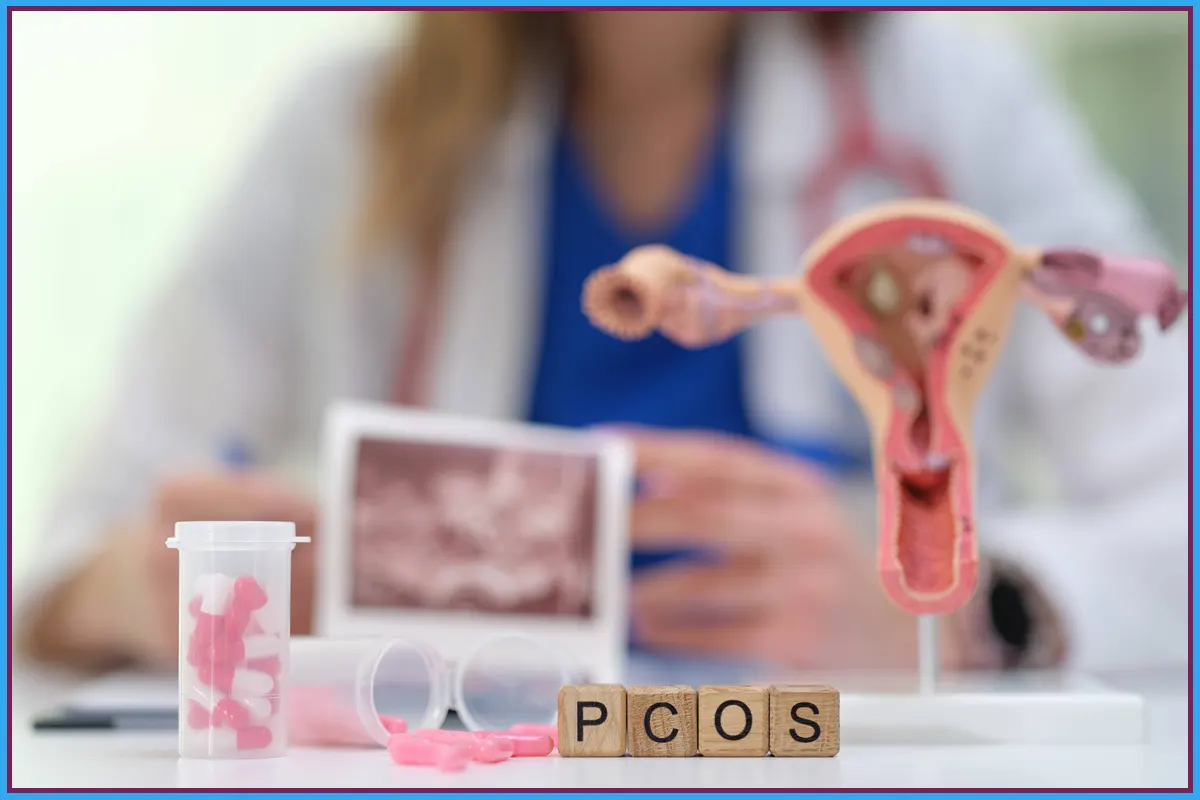
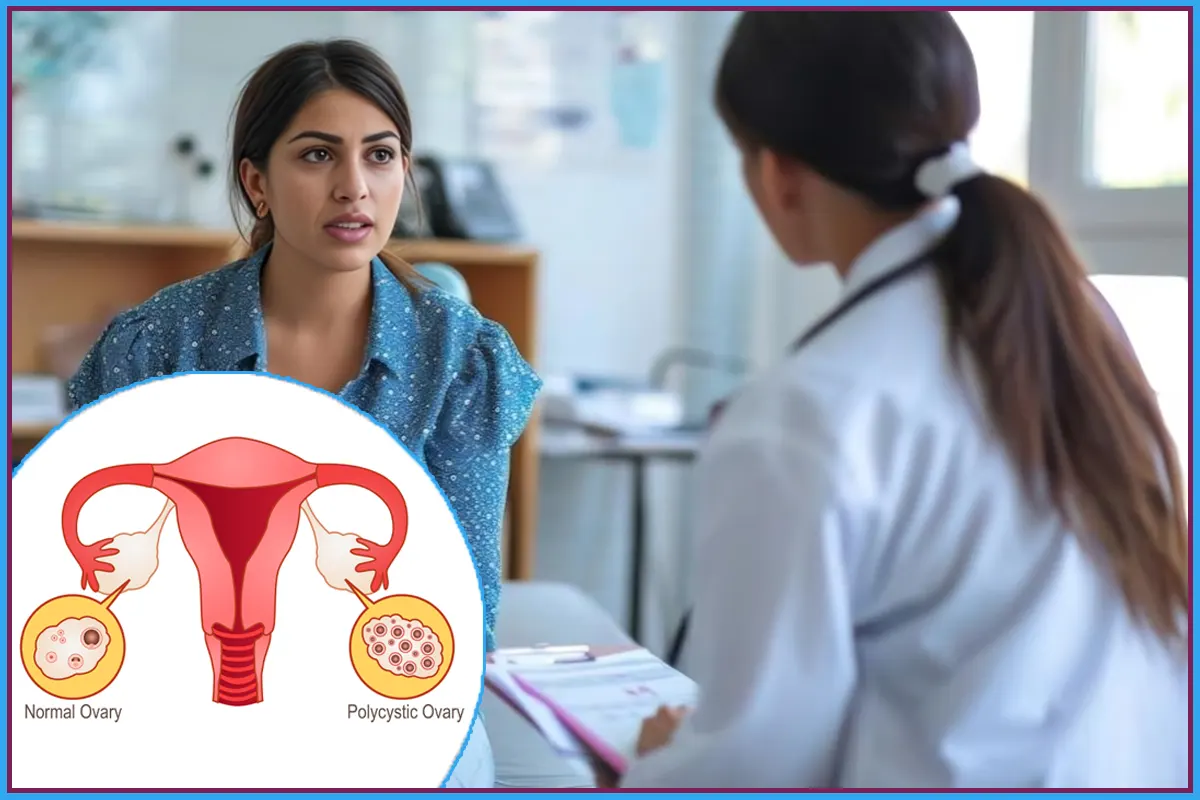
Despite affecting nearly 10% of Indian women, PMOS (previously called PCOS) is often misunderstood. The lack of knowledge around this condition can make women with PMOS feel confused about their condition and the symptoms they experience. So, if you think you have PMOS, or are struggling with its symptoms, we’re discussing the top PMOS FAQs that our patients ask about all the time.
What Are the Most Common Symptoms of PMOS?
While symptoms can vary in severity, most women with PMOS notice a few prominent signs that affect their quality of life. Some of the common symptoms of PCOS (PMOS) include the following:
- Dark, velvety patches of skin (acanthosis nigricans)
- Sudden/ unexplained weight gain
- Difficulty losing weight
- Irregular periods
- Infertility
- Acne
- Oily skin
- Excess body and facial hair
- Male pattern baldness
- Skin tags
When Should You See a Doctor For PMOS?
You should consult a doctor if you start showing signs of PMOS such as irregular periods and weight gain. A timely diagnosis and early treatment can prevent your symptoms from progressing.
How Is PMOS Diagnosed?
The most widely used criteria for diagnosing PMOS is the Rotterdam Criteria. According to the Rotterdam Criteria, a woman must meet at least two of the following three criteria:
1. Irregular or absent ovulation
2. High androgen levels
3. Polycystic appearance of the ovaries
To get a diagnosis, your doctor may ask you to take a number of tests to confirm the presence of the above symptoms. This may include blood tests to measure androgen levels and an ultrasound scan to check for the presence of immature follicles on your ovaries.
Can I Have PMOS Even If I Don’t Have Cysts On My Ovaries?
Yes, it is possible for you to have PMOS even if you don’t have ovarian cysts. In fact, the word “cyst” itself is misleading. PMOS causes the ovaries to produce immature follicles that don’t mature and collect in the ovaries.
According to the Rotterdam criteria, women can be diagnosed with PMOS as long as they display two of its three main symptoms. So a woman who doesn’t have cysts on her ovaries can still be diagnosed with PMOS as long as she meets the diagnostic criteria.
How Is PMOS Related To Insulin Resistance?
Insulin resistance is present in a significant number of women with PMOS, even those who are not overweight. It can cause many of the symptoms of PMOS.
When your body can’t use insulin properly, it increases insulin production, which increases androgen production. This can cause irregular ovulation and symptoms like acne and hirsutism. Improving insulin sensitivity can reduce insulin and androgen levels, which is key to managing PMOS symptoms.
How Is PMOS Diagnosed In Adolescents?
Diagnosing PMOS in adolescents can be challenging, because some PMOS symptoms are identical to puberty changes. Adolescents may have irregular periods and polycystic ovary morphology naturally, which overlaps with the PMOS diagnostic criteria. Doctors may focus on monitoring symptoms over time and on detecting persistent irregular cycles and signs of excess androgens to make a diagnosis.
Speak to a PMOS specialist at info@bloomivf.com or +91 9871717305 / 8433732400 to know more about how we diagnose PMOS in adolescents.
Can PMOS Be Prevented Or Cured?
No, PMOS cannot be prevented or cured, but its symptoms can be managed through medical intervention and lifestyle changes.
What Causes PMOS?
The root cause of PMOS is currently unknown. It is believed to be influenced by a combination of genetic and environmental factors. Currently, we know that women who have a family history of PMOS are at a higher risk of PMOS.
Can Women With PMOS Get Pregnant?
Yes, it is possible for women with PMOS to get pregnant. While many experience fertility issues, the effects of PMOS on fertility are usually treatable through lifestyle changes and medication. Some women who may not be able to conceive with other methods may need fertility treatments, such as IUI and IVF, to become pregnant.
How Can Birth Control Be Used To Treat Women With PMOS?
Hormonal birth control, such as combined oral contraceptive pills, can be used for long-term symptom management for PMOS. Birth control pills can regulate the menstrual cycle, lower the severity of physical symptoms, and decrease the risk of endometrial cancer.
What Medications Are Prescribed For PMOS?
Women with PMOS are often prescribed medication to manage their symptoms effectively. Ovulation induction medications such as Letrozole are prescribed to regulate ovulation and increase the chances of a natural conception.
Women who are not actively trying to conceive can take oral contraceptive pills to regulate menstruation and manage their symptoms. You may be prescribed Metformin to control your blood sugar levels and regulate insulin production. If medication doesn’t work, your doctor may consider surgery or other symptom management techniques.
How Does PMOS Affect Mental Health?
PMOS can be emotionally taxing to live with. Many PMOS symptoms lower quality of life and cause mental health issues like anxiety and depression. It causes sudden weight gain and difficulty losing weight, along with physical symptoms such as excessive facial and bodily hair, acne, and male pattern baldness.
These symptoms make many women with PMOS develop low self-esteem and body image issues. Research shows women with PMOS have a higher risk of anxiety and depression. A positive support group and regular counselling can help them receive the mental health support they need.
Can PMOS Affect Fertility?
PMOS is one of the leading causes of infertility in Indian women. It can interfere with ovulation, which makes natural conception harder. Most women with PMOS do not ovulate regularly and need to restore ovulation to improve their chances of conception.
Why Should I Consult A PMOS Specialist For Fertility Concerns?
If you are under 35 and have been trying for over a year, or over 35 and trying for over 6 months, consult a fertility specialist for guidance. PMOS can make natural conception difficult, and a PMOS specialist can suggest personalized tailored options that can increase your chances of a healthy conception and pregnancy.
How Effective Is IVF Treatment for PMOS?
IVF treatment can offer high success rates. It can be highly effective in treating irregular ovulation caused by PMOS. This makes it a possible treatment option for women with PMOS who do not respond to ovulation induction or IUI and want to increase their chances of conception.
Can PMOS Be Cured By Losing Weight?
No, PMOS cannot be cured by losing weight. Losing weight can improve your symptoms to a great extent by increasing insulin sensitivity and improving hormonal balance. It can reduce the severity of acne, hirsutism, and hair fall, too. So while losing weight is not a cure for PMOS, it is often recommended to patients as a method of long-term management of PMOS symptoms.
Are There Any Long Term Risks Associated With PMOS?
If PMOS is not treated or managed properly, it can increase the risk of heart-related problems, high blood sugar, prediabetes, type 2 diabetes, hypertension, obesity, high cholesterol, nonalcoholic fatty liver disease, sleep apnea, and pregnancy complications like gestational diabetes and preeclampsia.
Irregular menstruation can cause the endometrial lining of the uterus to thicken over time. If the lining is not shed regularly, it can increase the risk of endometrial cancer.
How Does Bloom IVF Offer Comprehensive PMOS Care?
Bloom IVF understands that PMOS can affect every aspect of your life, and offers comprehensive and holistic care that goes beyond symptom control. Our multidisciplinary team of gynecologists, endocrinologists, nutritionists, and mental health professionals creates personalized treatment plans tailored to your symptoms and health and fertility goals.
We ensure that you receive high quality medical and emotional support at every step of your treatment. If you suspect you have PMOS or are struggling to conceive, book a consultation today at +91 9871717305 / 8433732400.
Have questions about your fertility journey?
Speak to a Bloom IVF specialist — book a free consultation.
Book an appointment