
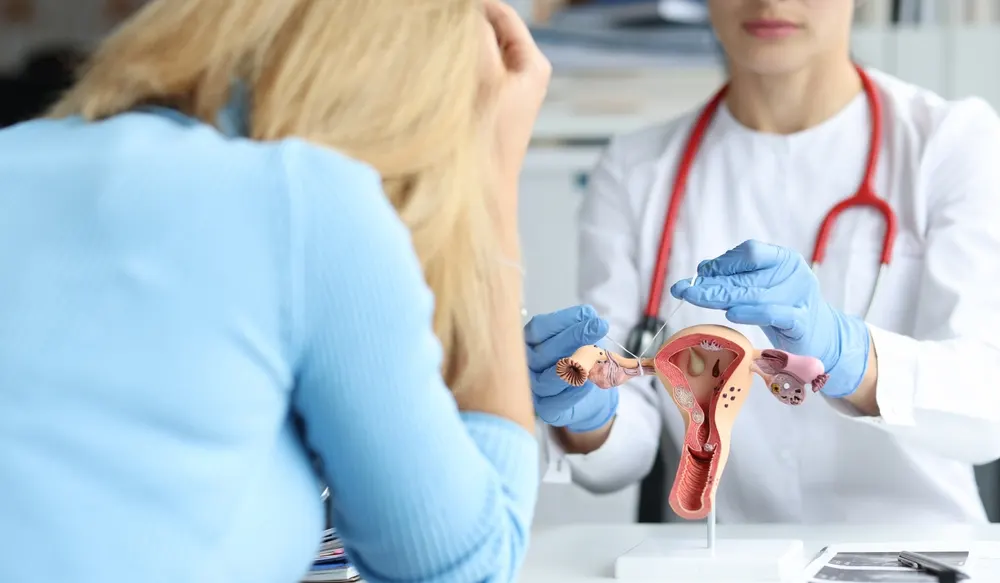
PCOS is a common problem among women across the globe. This condition is usually caused by the imbalance of androgens in the females. Furthermore, there are numerous complications that PCOS brings along. By understanding the causes of PCOS, women will be able to prevent it better or get it treated on time if there are any symptoms.
From common signs like acne and excessive hair growth to issues like irregular menstrual periods and infertility, there are many problems associated with PCOS. However, with the right PCOS treatment options, this condition can be managed.
In the below sections, we have discussed what is PCOS problem, the various causes of PCOS, its symptoms, how to diagnose it, and how to treat it. We have also highlighted the key differences between PCOS and PCOD. This will help you get complete knowledge about PCOS.
What is PCOS?
PCOS stands for polycystic ovary syndrome. It is a hormonal condition that is known to affect 1 in 10 women during their reproductive years. It has been observed that the bodies of women with PCOS produce male hormones (androgens) higher than the optimum level. This imbalance leads to symptoms like acne, hair growth on the face, and infertility issues.
Small-sized fluid-filled sacs are formed in the ovaries, thereby causing this condition. The most common consequence of PCOS is that women get irregular menstrual cycles. Furthermore, the prediction of ovulation is also difficult.
In addition to the standard polycystic ovary syndrome symptoms mentioned, many other long-term health problems are caused by PCOS. Some of the most prevalent ones among these include heart disease and diabetes.
Causes of PCOS
There are many notable PCOS causes that everyone should be aware of. This is necessary to understand the ways in which this condition can be prevented. Listed below are the causes:
- High Levels of Androgen Release: When the androgen levels in your body are high, it will cause a hindrance in the release of eggs from the ovaries. This irregularity in ovulation leads to the formation of fluid-filled sacs on your ovaries. It is because of high androgen levels that excessive hair growth and acne are also caused.
- Insulin Resistance: When you develop insulin resistance, the high levels of insulin cause the androgen levels to rise, thereby delaying or preventing ovulation. Hence, insulin resistance is one of the main polycystic ovary syndrome causes.
- Excessive Weight: Excessive weight can either be a cause of PCOS or a symptom that occurs after the condition has been developed in a woman. In both cases, controlling your diet and exercising regularly is essential.
- Low-Grade Inflammation: Low-grade inflammation refers to the formation of substances by WBCs when an injury or infection occurs. This can be diagnosed via a simple CRP and WBC blood test. Women and people AFAB (assigned female at birth) with PCOS often have chronic low-grade inflammation.
Genetics: In the past few years, many scientists have tried to establish an interrelation between genetics and PCOS. Most of these suggest that 20%-40% of women with a mother or a sister who has had PCOS are prone to develop this condition as well. It has also been found that more than one gene is responsible for this. Hence, the best way to know is to get your genetic testing done.
Diagnosis of Polycystic Ovary Syndrome
The diagnosis of Polycystic Ovary Syndrome (PCOS) is usually made by analyzing a combination of factors, including your symptoms, your and your family’s medical history, blood tests, and examinations.
The three common ways to conduct a PCOS test or diagnosis are:
- Pelvic Exam: A pelvic exam is one of the most popular diagnostic processes for polycystic ovary syndrome PCOS. During a pelvic exam, the specialist doctor will examine your reproductive organs to detect any anomalies, like masses or growths.
- PCOS Ultrasound: Depending on the sexual activity of the woman, an abdominal ultrasound or transvaginal ultrasound is performed. This helps the doctor check for the signs of PCOS treatment, like the thickness of your uterine lining and the appearance of your ovaries. An experienced professional understands what a real PCOS ovary looks like, which facilitates the diagnosis of PCOS.
Blood Tests: Blood tests play a crucial role in diagnosing by assessing hormone levels and ruling out other conditions that may cause similar symptoms. Fasting cholesterol and triglyceride levels are also tested. Furthermore, the glucose tolerance test also helps to check whether a woman is prone to PCOS.
PCOS Symptoms
Here are the most common polycystic ovary syndrome symptoms:
- Elevated androgen levels
- Irregular periods
- Polycystic ovaries
- Abnormal growth of facial and body hair
- Acne on the face, back, and chest
- Obesity
- Heavy bleeding
- Dark patches on the skin
- Skin tags on the neck or underarms
- Headaches due to hormonal imbalance
- Infertility
- Male-pattern baldness
- Mood swings, paired with depression and anxiety
PCOS is among the most typical reasons for infertility in females. Hence, infertility treatment also involves the management of this condition with the help of specialist doctors.
PCOS Treatment: The Various Ways to Treat this Condition
There are many different ways in which PCOS cure or treatment is possible. These include:
- Lifestyle Changes: The very first approach of PCOS treatment is to bring some significant changes into your lifestyle. You can start by assessing what you are eating and its quality. In addition to consuming a healthy diet, you will also have to exercise regularly to improve your BMI. Of course, this is paired with medication for the best effects possible.
- Insulin-Sensitizing Medication: To target insulin resistance and improve the processing of insulin in your body, medicines like metformin for PCOS treatment are prescribed by healthcare professionals. With an improvement in this condition, many women have observed that their menstrual cycles are approaching regularity.
- Androgen-Blocking Medication: Reducing the symptoms of PCOS is very important, especially those caused by boosted androgen levels in the body. This is because these male hormones affect your ovulation significantly. Androgen levels can be kept in check with the help of androgen-blocking medication.
- Ovarian Stimulation Medication: Inducing the release of eggs from the ovaries is also a good way to control PCOS development. Especially women who wish to have a successful pregnancy are prescribed these medicines by their doctors. Some examples of these include letrozole and clomiphene (which are oral medications) and gonadotropins (which are injected into the body).
- Birth Control Pills: Birth control pills are known to comprise progestin, which, when consumed regularly, will contribute significantly to restoring the hormonal balance in your body. As a result, the androgen-related symptoms can be brought under control. These are also known to regulate ovulation.
- Surgery: Polycystic ovary syndrome surgery involves the use of advanced techniques for the expulsion of androgen hormone-producing tissue from your ovaries. With the progress in research and development in the pharmaceutical sector, doctors rarely recommend the use of surgical procedures for PCOS treatment these days.
- In Vitro Fertilization: When medication is not enough to help with ovulation in women with PCOS, the best way to fulfill your dream of having a child is through IVF (in vitro fertilization). The egg and sperm are extracted by the IVF specialist and fertilized under controlled conditions in a laboratory. The embryo is then transferred to the mother’s uterus.
Prevention of PCOS: Is It Possible?
Preventing PCOS entirely is not possible. However, you can take some necessary measures to reduce the symptoms. Some of these include the consumption of healthy, nutritious, and balanced meals. You must also exercise regularly to ensure that your weight is within the limit. You can also consult an expert and ask them to curate a PCOS diet plan for you. Additionally, managing stress through relaxation techniques is essential.
It is also a good idea to avoid endocrine disruptors and reduce your caffeine consumption if you want to reduce your chances of developing polycystic ovary syndrome. Some examples of endocrine disruptors are parabens, bisphenols (including BPA), triclosan, and phthalates.
Complications Caused by Polycystic Ovary Syndrome PCOS
In addition to having a host of symptoms, PCOS also poses various risks to your health. These include:
- Diabetes
- Cardiovascular problems
- High blood pressure
- Sleep apnea
- High blood pressure
- Depression
- Anxiety
- Endometrial hyperplasia
- Endometrial cancer
PCOS and Pregnancy
PCOS can affect pregnancy significantly, primarily due to its impact on ovulation and hormone levels. Women with PCOS may experience irregular menstrual cycles, making it more challenging to conceive.
Even if you are able to conceive, a series of complications may arise, which may lead to miscarriages. These include preeclampsia, gestational diabetes, high blood pressure, and increased chances of preterm birth. Women with PCOS also put on weight, which leaves only C-section as the option when it comes to delivering the baby.
PCOD vs PCOS: Understanding the Differences
Many individuals think that PCOS and PCOD are the same, but they aren’t. There is a significant difference between PCOS and PCOD. Let’s have a look at the key differentiating factors:
| PCOD and PCOS Difference | |
| PCOS | PCOD |
|
|
|
|
|
|
|
|
|
|
|
|
When to See a Doctor for PCOS Treatment?
You should see a doctor for PCOS treatment if you experience symptoms such as a missed period with a negative pregnancy test, excessive hair growth, acne, etc. Expert consultation is important if you want to understand the PCOS symptoms and treatment options correctly and make an informed decision.
It is important to remember that PCOS can also impact your fertility significantly. Hence, if you are facing difficulty conceiving along with the symptoms stated above, you must prioritize a visit to the nearest clinic. That being said, if you experience bleeding that is heavier than normal, you must get in touch with your doctor to schedule an appointment immediately.
Bloom IVF: The Best Clinic for Treatment of PCOS Ovaries
Are you willing to get the best PCOS treatment possible, then you need to get in touch with the experts at Bloom IVF. Bloom IVF is renowned for its experience in treating PCOS and providing the most excellent and personalized care to its patients. From advanced diagnostic testing to counseling you regarding the treatment plans available, our experts are dedicated to providing a comfortable experience to you every step of the way.
With a commitment to excellence in reproductive health, Bloom IVF stands out as one of the most trusted centers among thousands of women. We are not here just to provide you with solutions but with maximum support as well!
In addition to the treatment of PCOS, we also specialize in infertility treatments. There are numerous causes of infertility apart from PCOS, like -
- Poor Ovarian Reserve
- Thin Endometrium
- Bilateral Tubal Blockage
- PCOD
Our success rate is commendable, and we have the most seasoned experts in this field on board to help you. Bloom IVF is the perfect blend of cutting-edge treatments and compassionate care.