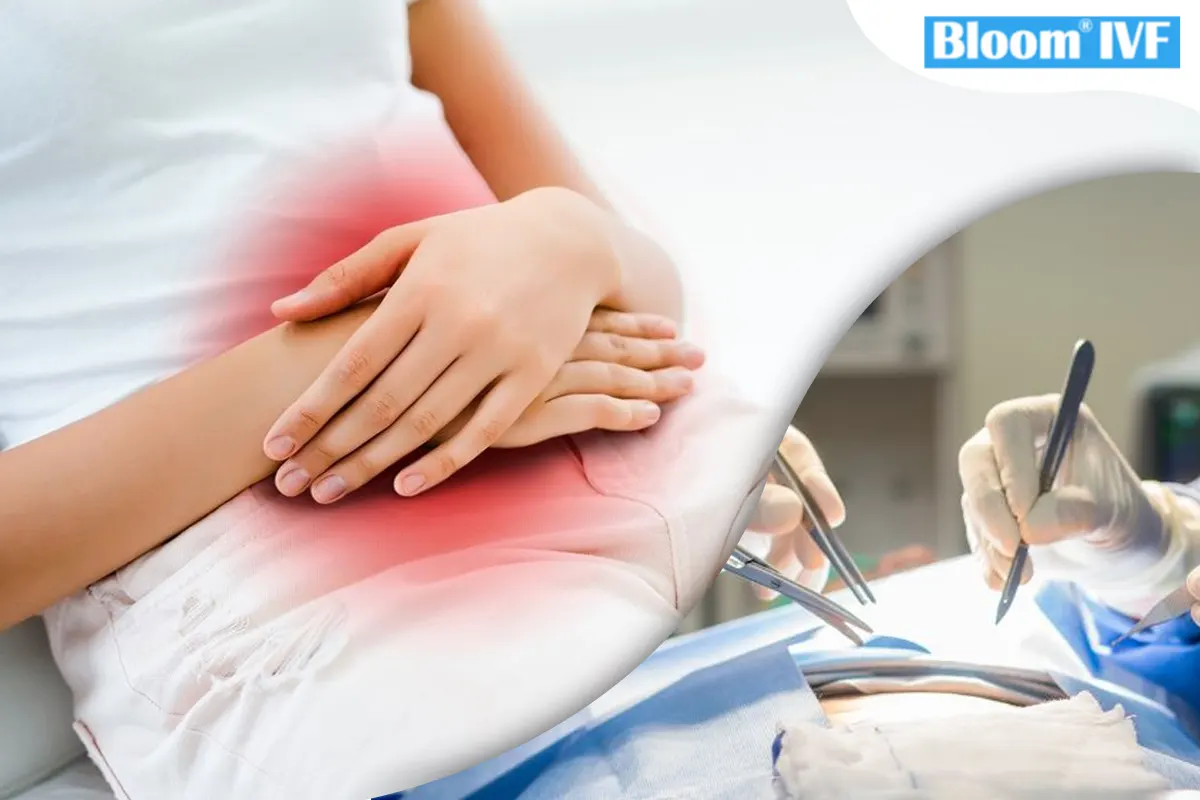
Endometriosis is a common condition that affects millions of women. It causes intense period pain and symptoms like infertility. Many women only discover they have endometriosis when they struggle to get pregnant due to endometriosis-related fertility issues like poor egg quality. In this blog, we discuss endometriosis and egg quality, how it affects fertility, and treatment options that can increase your chances of conception.
What Is Endometriosis?
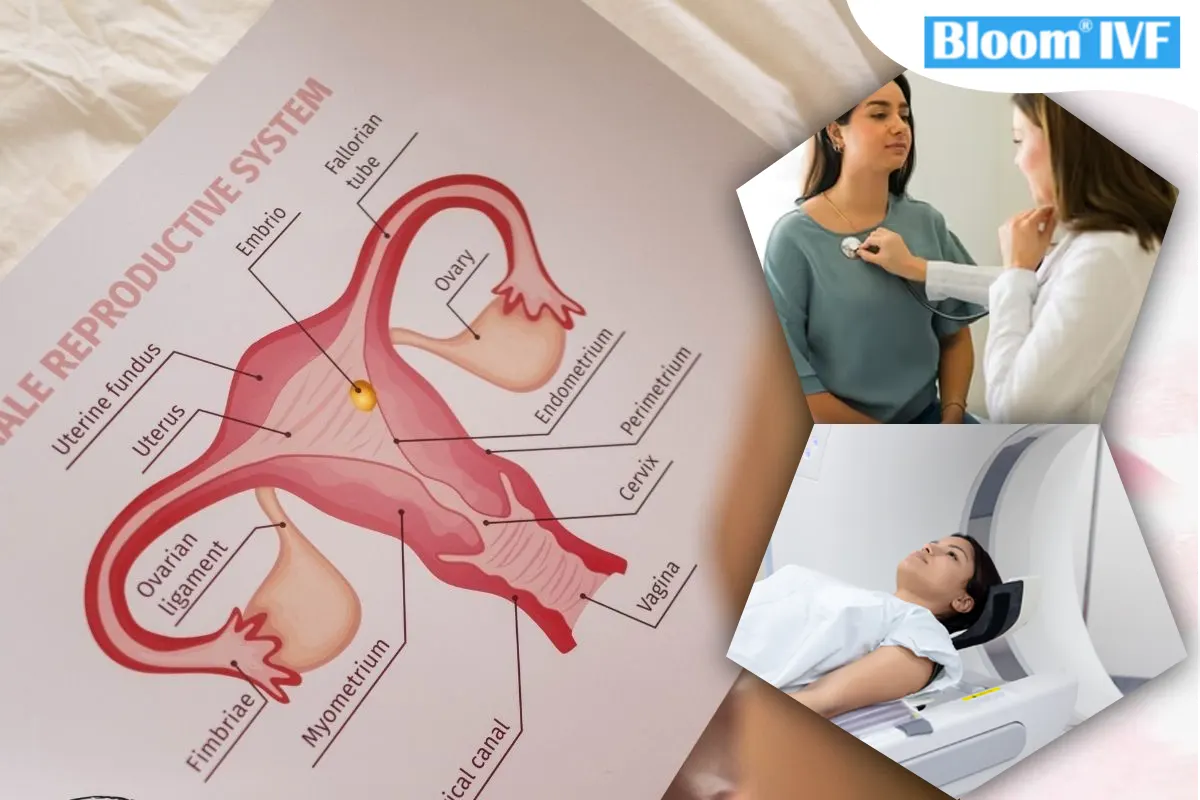
Endometriosis is a condition that affects women. In endometriosis, tissue that closely resembles the uterine lining grows “elsewhere” in the body. This commonly includes the reproductive organs in the pelvic region, like the ovaries, fallopian tubes, and outside of the uterus. Very rarely, we find it on other organs like the lungs, liver, and even the brain.
Studies suggest that 25-50% of all infertile women have endometriosis, and 30%-50% of women with endometriosis are infertile. You can understand the prevalence of infertility in women who have endometriosis through the link between endometriosis and egg quality.
Understanding the Relationship Between Endometriosis and Egg Quality
You have a higher chance of getting pregnant when your eggs are healthy. When egg development is undisturbed by other factors, it can increase the rate of fertilization. Low-quality eggs do not get fertilized easily and create poor-quality embryos, which makes it harder for you to conceive.
Endometriosis increases the risk of lower fertilization and development rates and early pregnancy loss (miscarriage). In this study, women with endometriosis had high pregnancy rates when they used donor eggs from women without endometriosis for IVF treatment. On the other hand, women without endometriosis faced significantly lower pregnancy rates when they used donor eggs from women with endometriosis.
This shows that endometriosis affects fertility and egg quality. Research shows that endometriosis can directly affect egg quality through several mechanisms, including:
I] Endometriomas
Endometriosis can form cysts in the ovaries. These cysts are filled with old dried blood and endometrial tissue and are commonly called “chocolate cysts”. The presence of endometriomas on your ovaries can increase the risk of early pregnancy loss and low embryo quality.
II] Hormonal Imbalance
Your ovaries produce reproductive hormones, including estrogen and progesterone, which help eggs mature and create the right conditions for embryos to implant. The presence of endometriomas on your ovaries can interfere with hormone production and potentially cause hormonal imbalances.
These imbalances can affect egg development and cause irregular ovulation, which is one of the early signs of endometriosis. Hormonal imbalances can explain the link between endometriosis and egg quality, specifically why it affects egg reserve and makes embryo implantation difficult.
III] Inflammation
Your body’s natural immune response to endometriosis growth causes inflammation. These responses can increase levels of inflammatory substances like cytokines, prostaglandins, and macrophages in your body. Some researchers believe that these substances can be harmful to eggs and lower their quality.
Women with high levels of these inflammatory substances show lower pregnancy rates, which indicates a relationship between the two.
IV] Oxidative Stress
Many women with endometriosis show elevated levels of reactive oxygen species (ROS). These free-radical chemicals are found in their follicular fluid, which is the substance in which eggs develop. High ROS levels can lower your ovarian reserve (number of eggs) and harm egg quality in endometriosis by damaging the follicles and making it harder for them to produce healthy eggs.
1. Intrauterine Insemination (IUI)
Intrauterine insemination can help bypass cervical factor infertility issues by placing sperm cells directly in the uterus. IUI can be used in some women with endometriosis, but the chances of success may be lower in moderate to severe cases and when egg quality is affected.
2. In Vitro Fertilization (IVF)
IVF is a popular infertility treatment because of its high success rates. It can help bypass several fertility issues associated with endometriosis. Sometimes your doctor may recommend undergoing surgery for endometriosis cysts or tissue removal to improve IVF success rates.
3. Egg Freezing
Egg freezing is an ideal option for women who may not want children immediately. Freezing their eggs allows them to preserve their fertility before their egg quality worsens because of age and endometriosis.
How Can I Increase Egg Quality Naturally?
Improving your diet and lifestyle can help you naturally increase your fertility. This includes eating anti-inflammatory foods rich in omega-3 fatty acids and Coenzyme Q10, limiting intake of processed food, caffeine, recreational drugs, nicotine, and alcohol, and taking fertility supplements recommended by your doctor.
Although lifestyle or dietary changes cannot reverse endometriosis, they can certainly reduce inflammation, support overall egg health, and provide relief from symptoms, especially when combined with medical treatment.
Can I Get Pregnant with Endometriosis?
Yes, it is absolutely possible for you to get pregnant, even if you have endometriosis. Your chances of success can improve with tailored treatment options and a personalized approach. Many women with endometriosis, especially with mild or moderate endo, can conceive naturally with minimal medical assistance. Timely surgical treatment can increase their reproductive potential.
More serious cases may be treated through a mix of hormonal, surgical, and fertility treatments. Customized treatment protocols can often help improve reproductive outcomes even for women with stage 3 and stage 4 endometriosis.
Endometriosis and Egg Quality: Explore Endometriosis Treatment at Bloom IVF
Not everyone experiences endometriosis in the same way. Your symptoms and fertility goals may differ from other patients, so why should your treatment stay the same? Instead of standardized treatment protocols, Bloom IVF offers individualized pathways for testing, diagnosis, and treatment of endometriosis.
We personalize our efforts and create custom treatment plans to address your specific fertility issues. If you’ve been diagnosed with endometriosis or are struggling to conceive, early diagnosis and treatment can make a significant difference. Speak to Bloom IVF’s fertility specialists to understand the link between endometriosis and egg quality and explore personalized treatment options designed to maximize your chances of pregnancy.
Frequently Asked Questions:
How is endometriosis diagnosed?
Endometriosis is diagnosed using your symptoms, medical history, examination findings, and imaging tests such as ultrasound or MRI. Surgery is not always needed, but in some cases a laparoscopy may be recommended to confirm the diagnosis or understand the extent of the condition.
What is the relationship between endometriosis and fertility?
Endometriosis can reduce fertility in women by causing fallopian tube blockages, adhesions between organs, cysts that affect ovarian function, and a reduction in egg quality and quantity.
Can surgical treatment cure endometriosis?
Endometriosis does not have a cure. Surgery can be used to remove endometriosis lesions and cysts from the body, but these can reoccur in the future.
Is egg freezing recommended for women with endometriosis?
Yes, egg freezing is often recommended to women with endometriosis who want to preserve their fertility for later.
Early diagnosis and timely family planning can significantly improve reproductive outcomes in women with endometriosis. Book a consultation at a Bloom IVF clinic near you to receive a personalized fertility assessment and treatment plan tailored to your symptoms and fertility goals.
Have questions about your fertility journey?
Speak to a Bloom IVF specialist — book a free consultation.
Book an appointment