Women who have endometriosis often wonder what it means for their fertility. Pregnancy may take longer to achieve, which could bring up questions like, “Will endometriosis treatment help me get pregnant?” These FAQs on endometriosis and fertility can help you understand your chances of pregnancy and how the right treatment and guidance can make a difference.
What is Endometriosis?
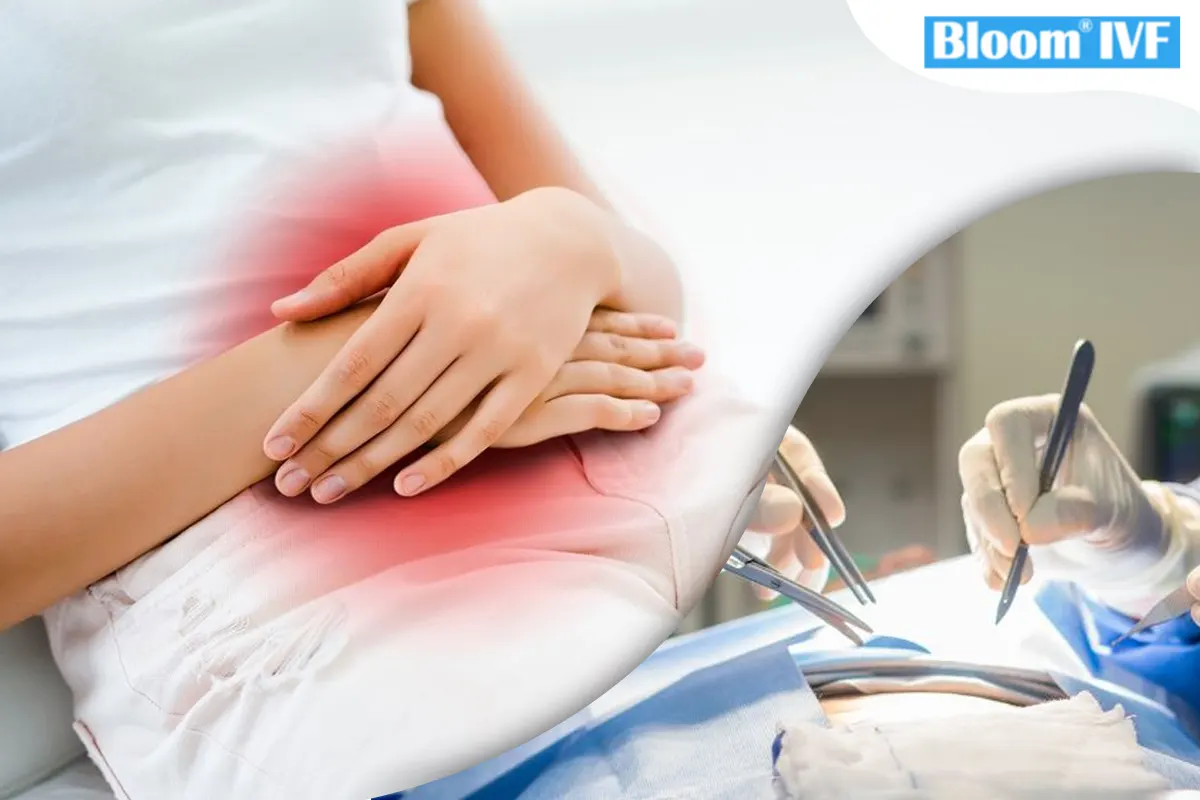
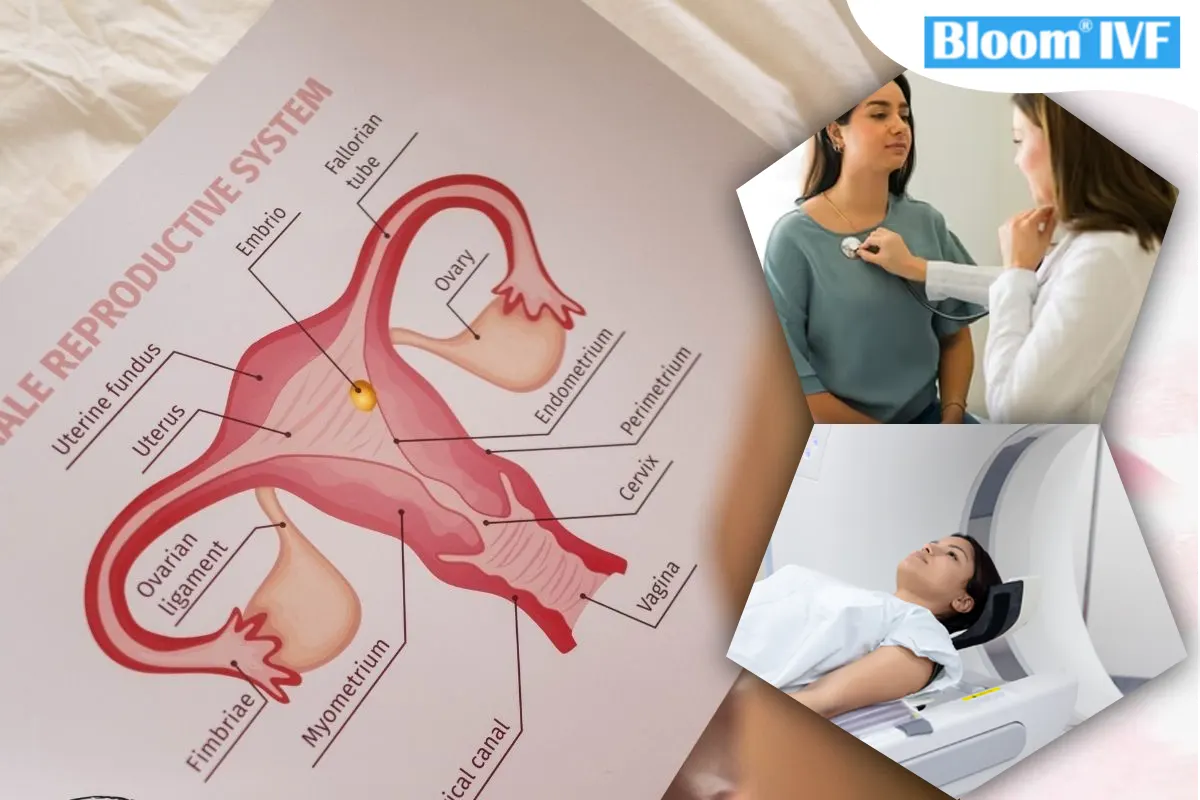
Endometriosis is a condition that mainly affects women of reproductive age. In this condition, tissue that resembles the uterine lining grows in other places of the body, such as the ovaries, fallopian tubes, and in and between your pelvic organs.
Just like your uterine lining, this tissue thickens and bleeds every month when you get your period. Since the blood has nowhere to go, it collects inside your body, which causes pain and chronic inflammation.
Does Endometriosis Cause Infertility?
Yes, endometriosis is one of the leading causes of infertility in women of reproductive age. Almost 30 to 50% of women with endometriosis may experience infertility issues. In fact, many women don’t realize they have endometriosis until they try getting pregnant.
How Does Endometriosis Affect Fertility?
Endometriosis can impact fertility in multiple ways. The extent to which the condition affects your fertility varies from person to person. Additionally, not all women with endometriosis experience fertility issues. Here are some of the main reasons endometriosis causes infertility:
Adhesions and Scarring
Endometriosis can cause scar tissue to grow on and around pelvic organs. This can cause organs to stick to each other and distort your pelvic anatomy. Endometriosis lesions can cause blockages that prevent sperm from reaching the egg, which makes fertilization more difficult.
Inflammation
As we mentioned earlier, endometriosis tissue causes internal bleeding, which irritates the surrounding tissues and organs and causes inflammation. Inflammation can affect ovarian function and potentially affect the uterine environment, making it less receptive to embryo implantation.
Endometriomas
Endometriosis can cause cysts to form on the ovaries. These cysts are full of blood and are called endometriomas. They can sometimes damage ovarian tissue and follicles, which may prevent eggs from developing properly.
What Are the Symptoms of Endometriosis?
Endometriosis affects everyone differently. So the symptoms of this condition can vary from person to person. Some of the most common signs of endometriosis include:
- Painful periods
- Heavy or prolonged menstrual bleeding
- Excessive pain, cramps, and bloating during periods
- Painful bowel movements
- Pain during or after having sex
- Persistent pelvic pain
- Difficulty getting pregnant
How is Endometriosis Diagnosed?
Getting an endometriosis diagnosis involves a visit to a gynecologist or a fertility specialist. You’ll discuss your symptoms with them, and they may do certain tests (such as a pelvic examination) to confirm your symptoms.
Although the only definitive way of confirming endometriosis is through laparoscopic surgery, doctors may use symptoms, pelvic examinations, or ultrasound scans to guide diagnosis and treatment decisions. This can prevent the need for a surgical diagnosis.
Is There A Cure For Endometriosis?
No, currently there is no cure for endometriosis. Treatment usually focuses on providing pain relief, preventing complications, and improving fertility.
What Treatments Are Available For Endometriosis?
We typically tailor endometriosis treatment plans to the patient’s condition, age, reproductive goals, and whether they have other health conditions. Treatment options for endometriosis include lifestyle and diet changes, pain management, hormone therapy, laparoscopic surgery, and assisted reproductive techniques.
Can Acupuncture Help With Endometriosis Pain?
There are limited studies on the effect of acupuncture in treating endometriosis. Some research has shown that it can successfully shorten the duration of pain, provide pain relief, and improve quality of life in women with endometriosis. More research is needed in this area.
Who Needs Endometriosis Surgery?
Surgery is one of the most effective treatment options for moderate-to-severe endometriosis. It is usually recommended for women who:
- Experience consistent and continuous pelvic pain
- Have severe endometriosis growths and adhesions
- Have infertility issues
- Experience recurrence of endometriosis after surgery
- Are unresponsive to other treatments
Can Endometriosis Surgery Improve My Chances of Pregnancy?
Surgical removal of endometriotic tissue has been shown to improve fertility in some women with endometriosis. Laparoscopic surgery may be more beneficial in women with moderate-to-severe endometriosis, since removing deep implants, cysts, and lesions can improve the functioning of the ovaries and other reproductive organs.
Speak to a fertility specialist about whether laparoscopic surgery can improve your chances of conception. Fill out our contact form and book your free fertility consultation today.
Can Endometriosis Grow Back After Surgery?
Yes, endometriosis can grow back after surgery. Surgery is not a permanent cure for endometriosis, and the tissue can grow back even if it was fully removed. However, even if endometriosis comes back, it may not cause the same symptoms or pain as before.
After a laparoscopy, many fertility specialists recommend that you try to conceive within one year, ideally before endometriosis comes back. If you aren’t trying to conceive, the doctor will start hormonal treatment after surgery to slow down the progression of the disease.
What Factors Does Endometriosis Treatment Cost in India Depend On?
The cost of endometriosis treatment depends on various factors, such as:
- Severity of endometriosis
- Cost of medication
- Type of treatment
- Consultation fees
- Cost of diagnostic testing
- Expertise of the specialists
- Location of the clinic
- Additional treatments required
In India, endometriosis treatment costs can range from approximately ₹20,000 to ₹2,50,000 or more, depending on the type and complexity of treatment. Some clinics like Bloom IVF offer flexible payment plans and transparent pricing to help women feel assured while discussing treatment options.
Which Fertility Treatments Are Available To Women With Endometriosis?
There are many types of fertility treatments. The right treatment option depends on the extent of your condition, your age, whether you have other fertility issues, and how long you have been trying to conceive.
Intrauterine Insemination (IUI)
This is a minimally invasive fertility treatment that involves placing sperm cells directly in the uterus. IUI treatment can be effective at treating women with mild fertility issues who have open fallopian tubes and no major pelvic blockages.
In Vitro Fertilization (IVF)
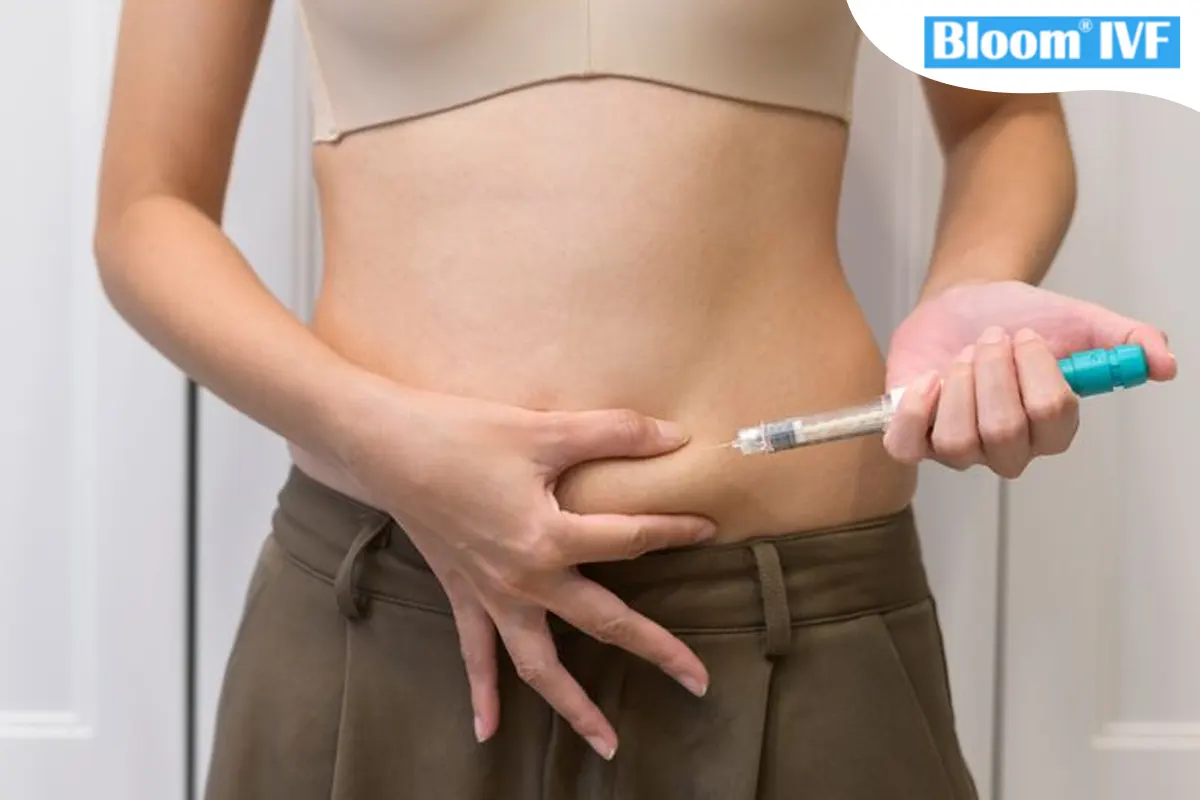
IVF involves stimulating the ovaries to produce multiple eggs, which are then retrieved and fertilized to create embryos. The embryos are then transferred to the patient’s uterus.
IVF has much higher success rates than IUI treatment. While it can be an invasive and intensive procedure, IVF is better at treating more complex cases of infertility.
How Effective is IVF Treatment For Endometriosis?
IVF is one of the most common fertility treatments to treat endometriosis-related infertility. It can be effective in bypassing fertility issues caused by the condition, such as fallopian tube blockages and reduced egg quality.
The success rate of IVF treatment typically depends on the patient’s age, fertility issues, and severity of the condition. Tailored IVF protocols can be highly successful in helping women with endometriosis conceive.
How Does Bloom IVF Help Women With Endometriosis?
Bloom IVF helps women receive an endometriosis diagnosis and effectively manage their condition. We offer comprehensive endometriosis treatment aimed at improving both reproductive potential and quality of life. Our innovative yet caring approach has helped hundreds of women with endometriosis achieve their fertility goals.
Speak to an endometriosis specialist at Bloom IVF today to discuss the best treatment options for you. Contact us at +91 9871717305 / 8433732400 or info@bloomivf.com to book a free fertility consultation.
Have questions about your fertility journey?
Speak to a Bloom IVF specialist — book a free consultation.
Book an appointment