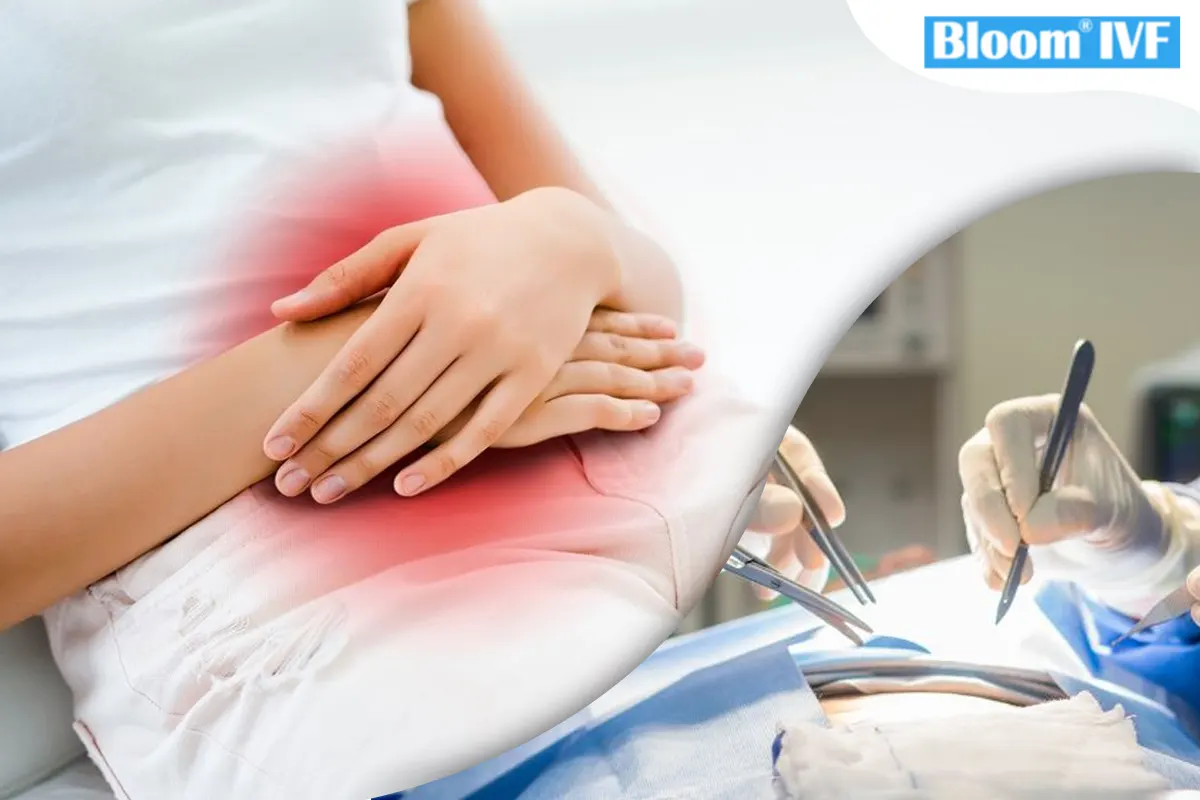
“How long will recovery take?” is the number one question our patients ask when we recommend laparoscopic surgery for endometriosis. What if we told you that some patients can go home within 24 hours? Laparoscopic surgery is a minimally invasive procedure that allows for minimal scarring and fast recovery. In this blog, we dive into the risks, benefits, and recovery timelines of laparoscopic surgery.
What is Endometriosis?
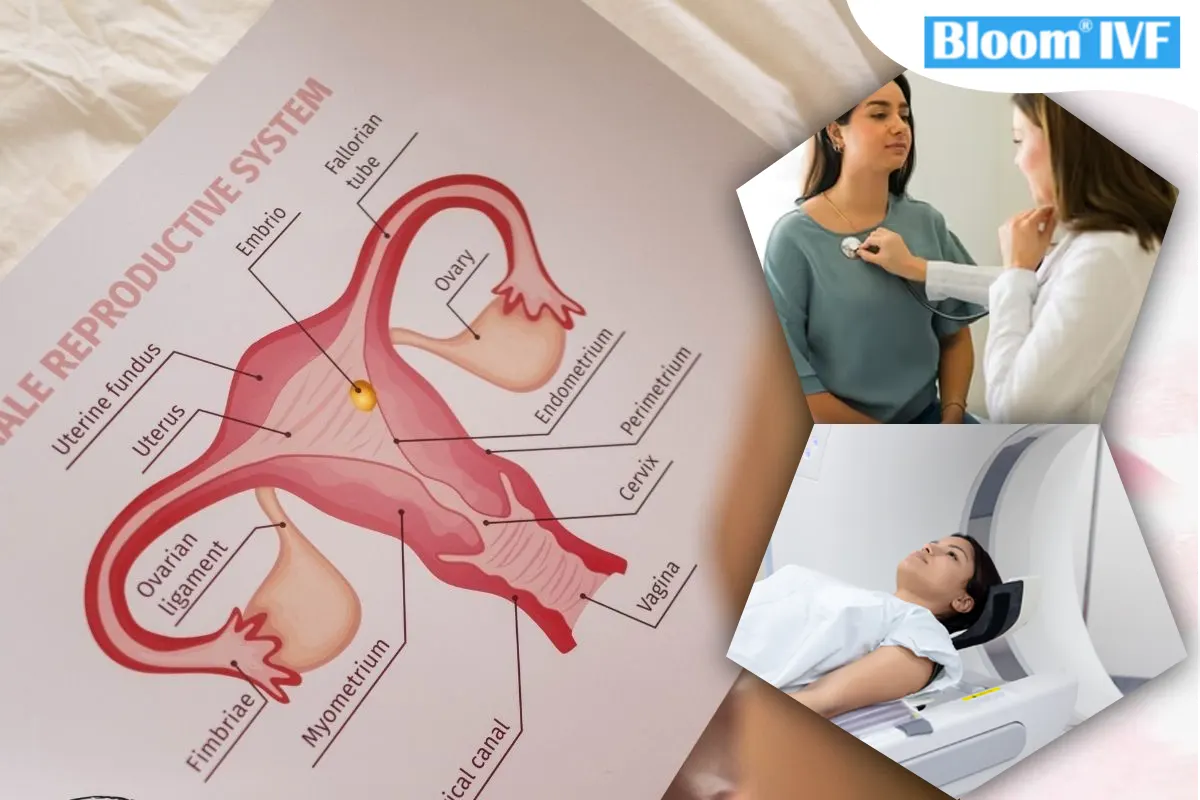
Endometriosis is a condition that mainly affects women of reproductive age. In this condition, tissue similar to the lining of the uterus grows in places where it isn’t supposed to. It can grow on the reproductive organs and sometimes spread outside the pelvic cavity.
These tissue growths break down and bleed every month, just like your uterine lining does during menstruation. Endometriosis can cause intense pelvic pain, inflammation, discomfort, and even fertility issues. Often, the severity of symptoms does not correlate with the extent of disease.
Why is Laparoscopy Performed for Endometriosis?
Medical treatment for endometriosis usually focuses on symptom control and disease suppression, but it may not always restore fertility or provide long-term pain relief. A laparoscopic surgery allows doctors to assess the severity of your condition and remove endometriotic tissue and cysts from your body. It is one of the most popular ways to diagnose and treat the condition. We often recommend it when other medical options don’t work.
Before laparoscopic surgery became standard, surgeons would create large 6 to 8 inch incisions for endometriosis. Laparoscopic surgery for endometriosis allows surgeons to diagnose, take tissue samples, and even remove tissue and cysts through 2 to 4 tiny incisions, each measuring 0.5 to 1 cm.
You should consider a laparoscopy when you’re dealing with severe and painful symptoms or endometriosis-related infertility. Surgical removal of endometriosis tissue may also improve fertility outcomes in women.
Preparing for Laparoscopic Surgery
Before your surgery, your gynaecologist may review your medical history and ask you to undergo some tests like blood work and ultrasound scans. These can help your care team decide whether you are a suitable candidate for laparoscopic surgery for endometriosis.
Your specialists may ask you to take some medication before your surgery. You may be asked to stop eating or drinking for several hours before surgery and avoid alcohol and smoking in the days leading up to the procedure.
The Process of Laparoscopic Surgery for Endometriosis
Laparoscopic surgery is also called “keyhole surgery”. It is performed under general anesthesia, so you will be asleep and won’t feel anything during the surgery.
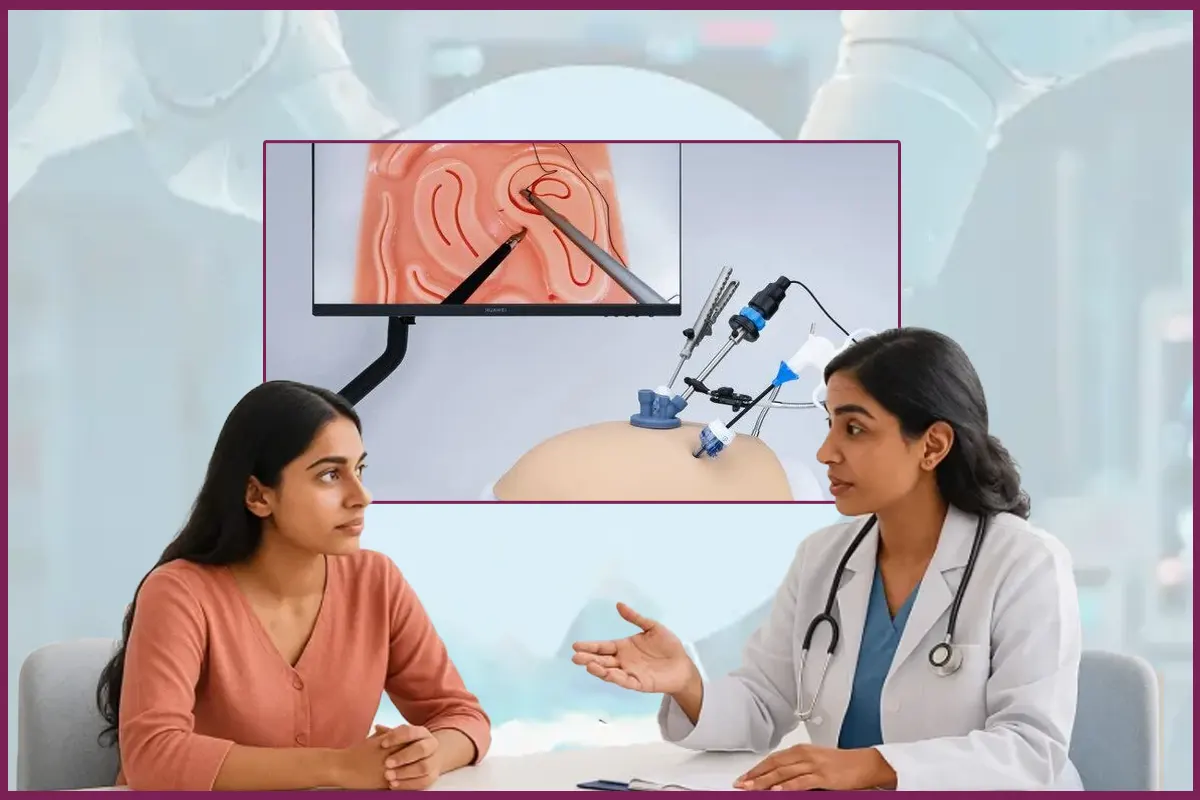
First, the surgeon makes small incisions on your abdomen, near your belly button. Through one incision, they insert a laparoscope, which is a thin tube with a high-resolution camera and light on it. With the same port, they gently pump carbon dioxide into your abdomen, which lifts the abdominal wall from the organs below and gives surgeons a clearer view.
Surgeons can view the camera footage from the laparoscopy in real time, which allows them to check your pelvic organs for endometriosis. They use special surgical instruments to remove any tissue, cysts, and adhesions through the small incisions. The incisions are then closed with surgical tape or stitches that leave minimal scars behind.
Benefits of Laparoscopic Surgery
In the past, endometriotic tissue removal would require open surgery (laparotomy). Compared to open surgery, a laparoscopic surgical approach provides the following benefits:
1. Minimally Invasive
Laparoscopic surgery is less invasive and causes less trauma to your internal organs than open surgery.
2. Less Scarring
Laparoscopic surgery causes less scarring than open surgery, which many patients prefer.
3. Faster Recovery
Laparoscopic surgery is less invasive, which allows patients to recover faster than open surgery. It also reduces the risk of complications like muscle atrophy that are associated with long recovery periods and bed rest.
4. Lower Risk
Since laparoscopic surgery requires small incisions rather than a large one, the risk of complications like infection is generally much lower.
5. Short Hospital Stay
Since recovery is quick, patients don’t need to stay at the hospital for long. Shorter hospital stays help reduce overall treatment costs.
Risks and Considerations of Laparoscopic Surgery
Over the years, Bloom IVF has achieved many fertility firsts in India. Dr. Nandita and Dr. Hrishikesh Pai are responsible for Laparoscopic surgery for endometriosis is as safe as open surgery, if not safer. Like all surgical procedures, it isn’t risk-free; there are some risks and complications involved.
Your surgical team should discuss the potential risks and complications of endometriosis surgery with you before you sign the consent form for the procedure.
1. Inconclusive Results
Not all patients experience symptom relief or improved fertility after surgery. It’s important to view laparoscopic surgery as part of a comprehensive treatment plan instead of a sure path to success.
2. Infection or Bleeding
During laparoscopic surgery for endometriosis, there is a minor risk of bleeding, infection, or potential damage to nearby organs.
3. Ovarian Tissue Damage
While excising endometriomas from the ovaries, there is a slight risk of damaging healthy ovarian tissue, which can affect your ovarian reserve. This risk is higher in cases involving large or deeply embedded endometriomas.
4. Fistula
A tube-like, abnormal connection can form between two organs. This is a very rare but serious complication.
5. Open Surgery
Sometimes, a laparoscopy may not be enough. Though extremely rare, surgeons may need to convert the operation to open surgery. This is even rarer in endometriosis surgery, since doctors have devised innovative ways to remove even large tissue growths and endometriomas through laparoscopic surgery.
Conversions to open surgery are often done to keep you safe because your surgeons feel that continuing with the procedure laparoscopically is too risky. Sometimes, a laparotomy could be the safest and most efficient option for you.
Recovery After Laparoscopic Surgery for Endometriosis
You may feel some post-operative pain when you wake up. Your care team will typically monitor your condition for a few hours after your surgery and prescribe some painkillers to help you manage the pain.
You may be discharged on the same day or asked to stay overnight, depending on your condition and the intensity of the surgery. We recommend that you have a friend or family member to take you home since you might be disoriented from the anesthesia. Since complications from surgery may not surface right away, you will need someone to stay with you for at least 24 hours.
Staying hydrated, eating healthy, and gentle exercise can speed up the recovery process. Most women can return to regular activities in approximately 2 to 4 weeks, but your doctor can give you a clearer understanding of your recovery timeline by taking your personal circumstances into account.
If you experience a fever, nausea, abnormal bleeding, problems urinating, or any other concerning symptoms, contact your doctor immediately.
Can Endometriosis Come Back After Surgery?
Endometriosis can recur even after laparoscopic surgery. Following healthy diet and lifestyle habits, avoiding risk factors, and attending regular check-ups can prevent endometriosis from recurring soon or help detect it at an early stage. Your doctor may prescribe medication that can suppress endometriosis growth and support long-term health.
Laparoscopic Surgery for Endometriosis at Bloom IVF
Surgery provides relief from endometriosis symptoms and improves your overall reproductive health. However, it’s important that you find a clinic that supports and guides you during the process. At Bloom IVF, we pride ourselves on providing empathetic care to each patient. Our surgical team is open to questions or feedback you may have.
We offer high-quality fertility treatment at affordable rates. We are one of India’s leading networks of clinics for women’s reproductive health and fertility treatments. Each Bloom IVF center provides personalized care and tailored treatment protocols. Contact us today for a free fertility consultation.
Frequently Asked Questions:
Is laparoscopic surgery better than a laparotomy?
Yes, a laparoscopic surgery for endometriosis is better than a laparotomy in most cases, as it is less invasive and easier to recover from. However, a laparotomy may be necessary in certain situations.
Is laparoscopic surgery safe?
Yes, laparoscopic surgery is considered safe when performed by experienced surgeons. It reduces the risk of complications and postoperative problems.
When can I resume normal activities after endometriosis surgery?
Most patients can return to their work and daily activities approximately two weeks after surgery. Recovery time can vary from person to person, so talk to your specialist about your expected recovery period.
Can endometriosis grow back after surgery?
Endometriosis can grow back if the lesions weren’t removed completely. Doctors often prescribe hormonal medication to prevent endometriosis from coming back after surgery.
How much time should I take off work for laparoscopic endometriosis surgery?
Most women require at least 2 weeks off work after laparoscopic surgery, while those who undergo more intensive surgery may require 4 to 6 weeks to recover.
Have questions about your fertility journey?
Speak to a Bloom IVF specialist — book a free consultation.
Book an appointment