Endometriosis is a highly misunderstood condition that affects millions, yet goes undiagnosed in most women until they try getting pregnant. Endometriosis is a chronic condition that causes pain, scarring of the internal organs, and infertility. Endometriosis treatment, such as hormonal treatment and surgery, can provide relief from these symptoms. Let’s explore the impact of endometriosis on female fertility along with its symptoms, diagnosis, and treatment options in this detailed guide.
What is Endometriosis?
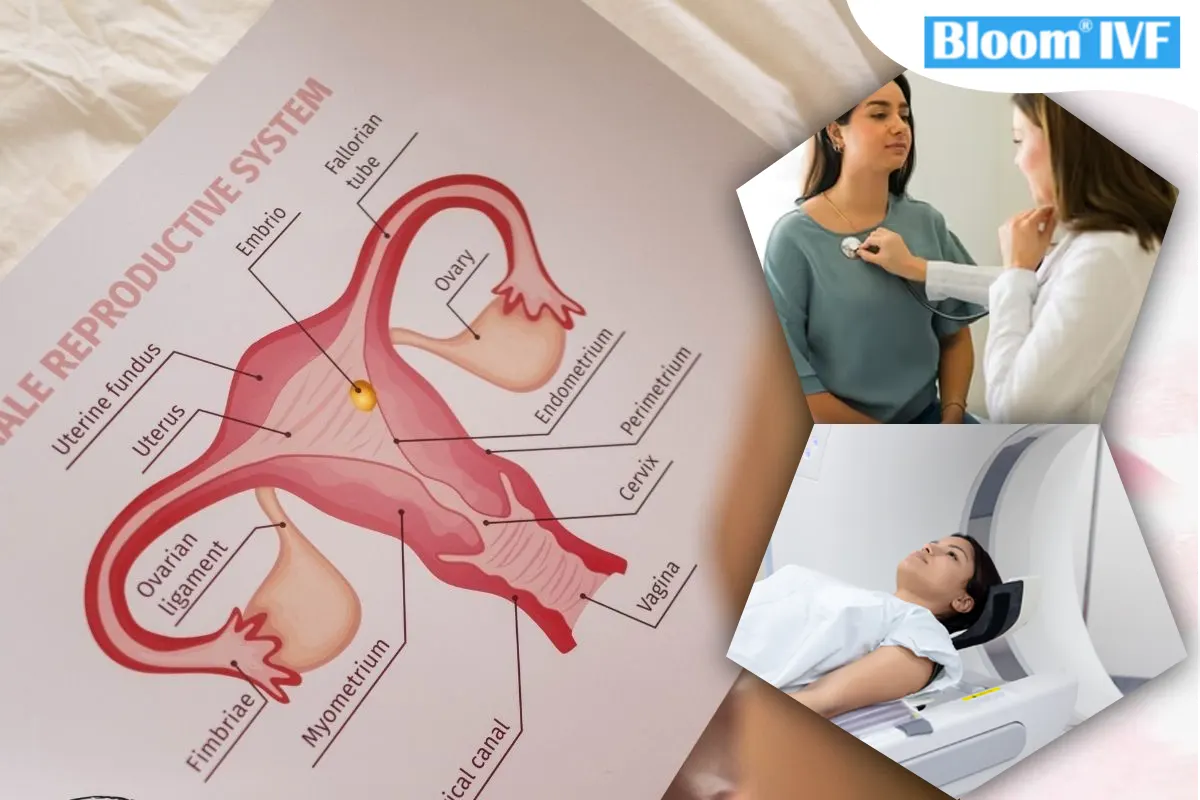
The inside of your uterus is covered with tissue and is called the uterine lining or endometrium. This tissue thickens during ovulation and is shed during menstruation. Endometriosis is a condition in which tissue similar to the uterine lining grows outside the uterus. This condition causes painful and heavy periods, inflammation, adhesions, and scarring of the reproductive organs.
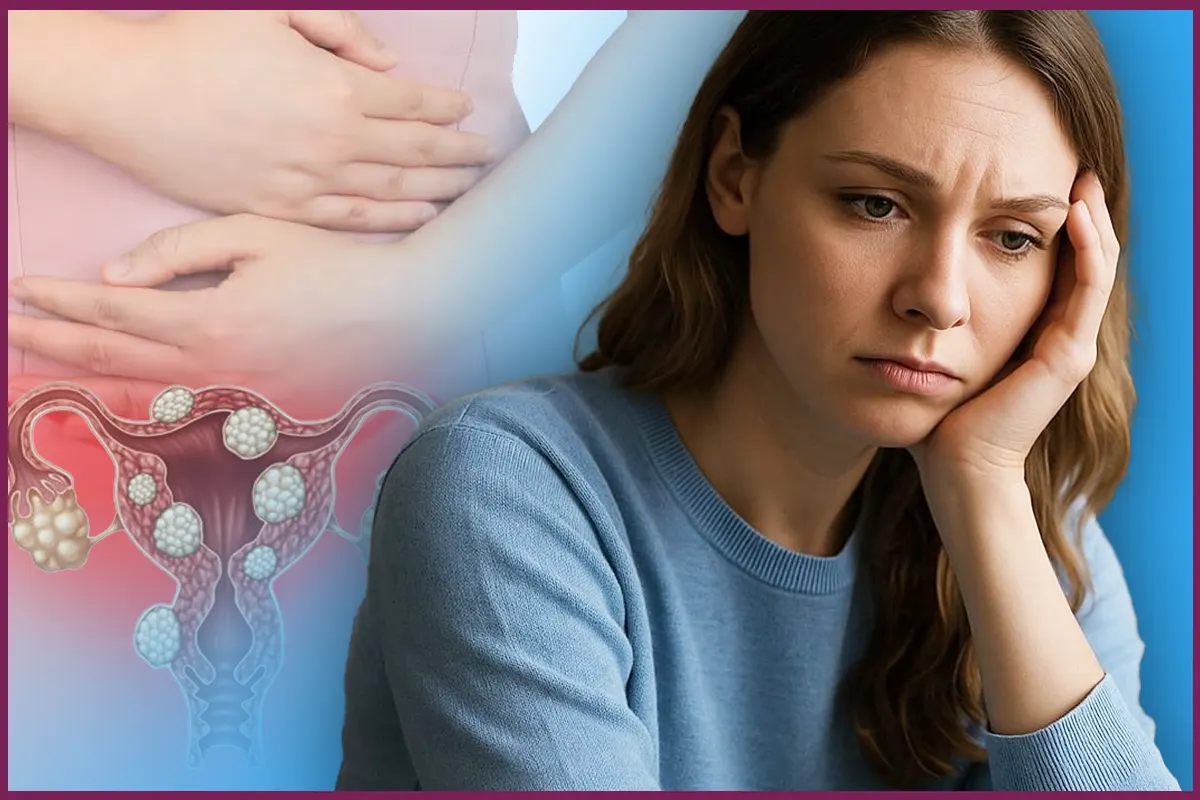
Endometriosis most commonly affects the organs in the pelvic cavity, such as the ovaries and fallopian tubes. In rarer cases, endometriosis tissue may grow in other parts of the body such as the shoulders, lungs, and wrists.
Causes and Risk Factors of Endometriosis
The exact cause of endometriosis is still unknown. The lack of information about what causes endometriosis is another reason treating it is so difficult. Although the exact cause of endometriosis remains unknown, several theories have been proposed, such as:
- Retrograde menstruation
- Immune system condition
- Hormone disorders
Currently, research is underway to establish a link between these factors and the formation of endometriosis tissue. Researchers have observed that certain factors raise the risk of endometriosis. These risk factors include:
- Low BMI
- Shorter-than-average menstrual cycles (shorter than 27 days)
- Heavy and longer-than-average periods (longer than 8 days)
- Biological family history of endometriosis.
- Never having given birth
- Experiencing menopause at an older age than usual
Symptoms of Endometriosis
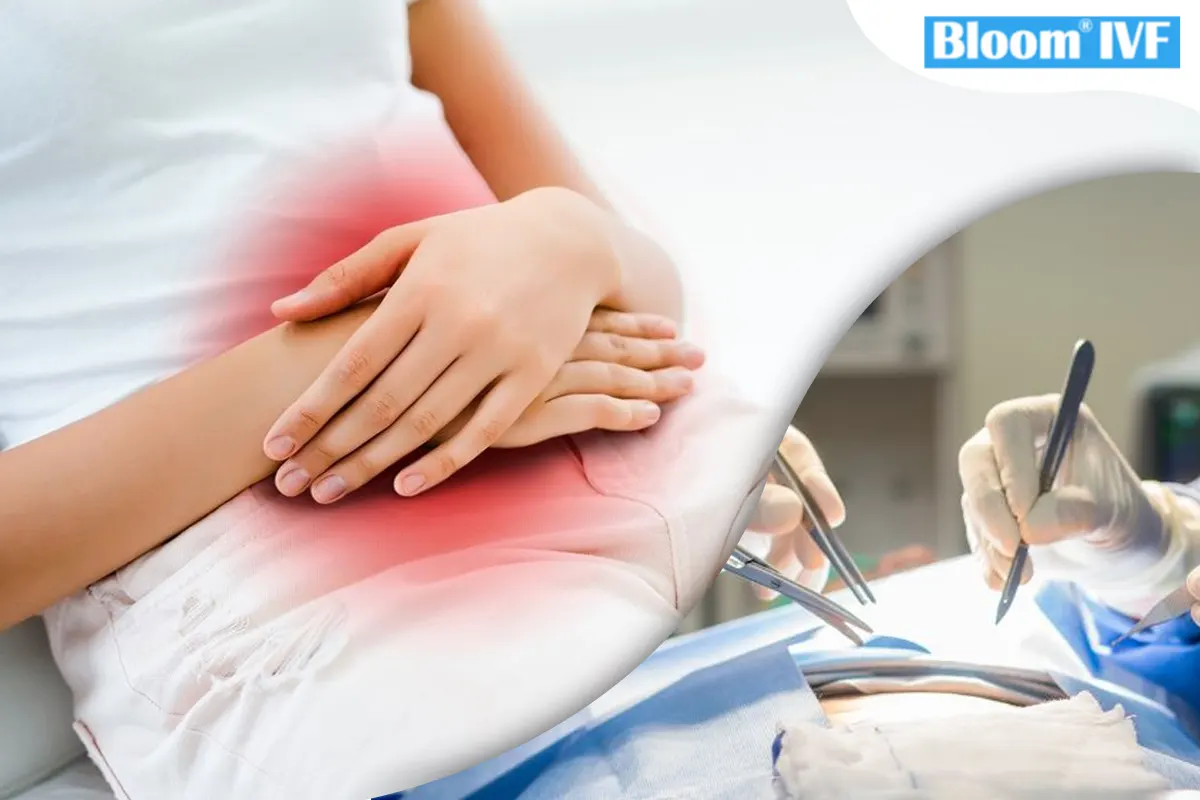
The most prominent and inconvenient symptom of endometriosis is pelvic pain. This pain may begin or intensify during menstruation. Many people describe experiencing debilitating period pain that affects their daily life. Women with endometriosis often have to miss work or other activities because of period pain that slowly becomes worse with time.
Some other signs and early symptoms of endometriosis include:
- Pain during or after sex
- Pain during bowel movements
- Infertility
- Lack of energy or fatigue
- Constipation or diarrhea
- Bloating
- Nausea
- Excessive bleeding
The severity of your symptoms does not correlate with the pain you may experience. Some women may have a small amount of endometrial growth with extreme pain, while others may have a lot of endometrial lesions and cysts but experience very mild pain.
Some women with endometriosis experience none of these symptoms, while others experience all of them. If you experience any of these symptoms, contact us at info@bloomivf.com or +91 9871717305 / 8433732400 for a free consultation at a Bloom IVF clinic near you.
How Endometriosis Affects Fertility
The link between endometriosis and fertility cannot be understated. Endometriosis is one of the most significant causes of infertility and can interfere with both regular fertilization and embryo development. Some studies cite that approximately 30% to 50% of endometriosis patients are infertile.
Scar Tissue Formation
Endometriosis can cause scar tissue to form on pelvic organs, which can make them stick together. These adhesions can cause chronic inflammation and block the functioning of reproductive organs like the ovaries, fallopian tubes, and uterus.
Hormonal Imbalances
Endometriosis tissue can disrupt the body’s hormonal balance, which can interfere with regular ovulation and menstruation cycles and reduce your chances of natural conception.
Reduced Egg Quality
When endometriosis affects the ovaries, it forms cysts called endometriomas. They’re also called “chocolate cysts” because they are filled with old, dried blood and look like chocolate from the outside. Inflammation, hormonal imbalances, and cysts can affect ovarian function and lower egg quality.
Reduced Egg Quantity
In severe cases of endometriosis, the ovaries may face significant damage, and some of the body’s ovarian reserve is affected as well. Fewer eggs mean a smaller chance of conception.
Uterine Receptivity
Endometriosis causes inflammation and affects the uterine lining, making it less receptive to embryos. This can make embryo implantation difficult and increase the chances of implantation failure.
Tubal Blockages
Scar tissue can form in the fallopian tubes, which can affect their functioning or block them completely. These blockages may prevent the egg from traveling to the sperm and hinder fertilization.
Longer Time To Conception
Because of the various fertility problems caused by endometriosis, women with this condition take longer to become pregnant.
How to Get an Endometriosis Diagnosis
Pelvic exams and imaging tests like ultrasounds and MRIs are used to check for endometriosis tissue, with varying degrees of success. The other method of diagnosing this condition is through surgery. Researchers have been working on creating non-invasive tests so that more women can get tested and start endometriosis treatment.
To get a diagnosis, speak with your gynaecologist, reproductive endocrinologist, or an endometriosis specialist in India about your symptoms. If endometriosis is detected in your pelvic exam or ultrasound, your doctor will usually start treatment right away. If it isn’t, you’ll need to undergo laparoscopic surgery, which is used both to diagnose and treat endo. We’ll get to this in the next section.
Don’t let endometriosis get in the way of your path to parenthood. Timely medical intervention can help you preserve your fertility and even improve your chances of a pregnancy. Schedule a consultation at your nearest Bloom IVF center and discuss your fertility options before it’s too late.
Endometriosis Treatment Options
Doctors don’t know how to “cure” this condition permanently yet. So, modern endometriosis treatment focuses on symptom management, pain relief, and restoring or preserving fertility.
Hormonal Treatment
Since estrogen can trigger the growth of endometriosis tissue, hormonal treatment that lowers estrogen levels can suppress it.
Gonadotropin-releasing hormone (GnRH) agonists can temporarily slow down ovarian functioning, which can reduce endometriosis growth. Alternatively, progestin-based treatments like birth control pills or implants, which can regulate hormones, can slow down the growth of endometriosis tissue.
Surgical Options
Hormonal treatment can cause unintended side effects and isn’t suitable for women who want to get pregnant. If you’re not a good candidate for hormonal treatment, your gynecologist will recommend switching to surgical options.
I. Laparoscopic Surgery
Laparoscopic surgery is the most popular surgical endometriosis treatment. It is a minimally invasive procedure. The surgeon makes a small cut in your abdomen and inserts a thin tube with a camera and a light on top of it. They use this tool (called a laparoscope) to view your pelvic organs and scan them for endometriosis inside your body.
Earlier, we mentioned that laparoscopic surgery is used for both diagnosis and treatment. If the surgeon notices endometriosis tissue growths or cysts, they can remove the problematic tissue in the same surgery. They will usually attempt to remove or destroy all diseased tissue that they find during your surgery through the small incisions they created earlier.
Laparoscopic surgery requires special training, and a skilled surgeon can remove even large cysts and adhesions through this surgery. Speak to a Bloom IVF endometriosis specialist in India about laparoscopic endometriosis treatment for you.
II. Laparotomy
If doctors have detected large cysts or growths in your body, they may choose to perform an open surgery or laparotomy instead. Laparoscopic surgery is easier to recover from and causes minimal scarring, which is why it has largely replaced laparotomy as the treatment of choice for endo.
III. IVF
Sometimes, endometriosis patients are told (incorrectly) that they cannot get pregnant even if they try. However, many women with endometriosis can still conceive, thanks to reproductive treatments like in vitro fertilization (IVF).
Can I Get Pregnant With Endometriosis?
Yes, it is absolutely possible to get pregnant with endometriosis. In fact, a study by EU FEMaLe (Finding Endometriosis through Machine Learning) claims that women with infertility caused by endometriosis are more likely to become pregnant than women with infertility from other causes.
Although endometriosis can make it difficult to conceive, many women have successful pregnancies with the help of assisted reproductive technology like in vitro fertilization. IVF for endometriosis treatment can bypass many of the fertility challenges caused by the condition, and help even women with severe infertility become pregnant.
Success with IVF treatment depends on several factors, such as your age, the severity of endometriosis, and your ovarian reserve and egg quality. Women who do not have enough eggs, or have low egg quality because of endometriosis, can conceive with donor egg IVF.
The IVF process for endometriosis patients is the same as it is for everyone else. However, women with endometriosis may need additional procedures to suppress estrogen production, improve egg quality, remove lesions and cysts, and increase the uterine lining’s receptivity.
How Bloom IVF Supports Patients With Endometriosis
We create customized treatment plans and protocols for each patient to maximize their chances of success. Bloom IVF offers high-quality endometriosis treatment and fertility guidance to help women with endometriosis become pregnant.
Our endometriosis treatments are affordable and accessible to women from all walks of life. From cutting edge medical infrastructure to best-in-class quality of treatment, we ensure that all our patients have the highest chance of success.
Endometriosis doesn’t have to define your fertility journey. With early diagnosis, expert care, and personalized treatment, many women with endometriosis go on to build the families they dream of. Talk to an IVF specialist at Bloom IVF today for safe, effective fertility care and proven reproductive solutions for endometriosis.
Frequently Asked Questions:
Is endometriosis surgery necessary before IVF treatment?
No, surgery is not always necessary before endometriosis treatment. Your fertility specialist may only recommend surgery if the endometriosis tissue or ovarian cysts could affect the success of the IVF procedure.
Can you get pregnant if you have endometriosis?
Yes, it is possible to get pregnant with endometriosis. Some women may require endometriosis treatment options like IVF while others could get pregnant without medical assistance.
Does endometriosis affect egg quality?
Chronic inflammation, hormonal imbalances, and structural distortions caused by endometriosis cysts and lesions can affect the functioning of the ovaries and uterus, which lowers egg quality.
How is endometriosis diagnosed?
Endometriosis is diagnosed through pelvic exams, ultrasounds, MRIs, and laparoscopic surgery.
How can I improve fertility if I have endometriosis?
You can undergo surgery and hormonal treatment, eat an anti-inflammatory diet, and exercise regularly to improve fertility. You can also freeze your eggs to preserve your fertility.
Have questions about your fertility journey?
Speak to a Bloom IVF specialist — book a free consultation.
Book an appointment