Endometriosis is a complex condition that mainly affects women of reproductive age. It can have a tremendous impact on your health and quality of life, which makes an early diagnosis extremely important. Getting an endometriosis diagnosis can help you figure out a treatment plan that can help you manage your symptoms and improve your fertility.
What is Endometriosis?
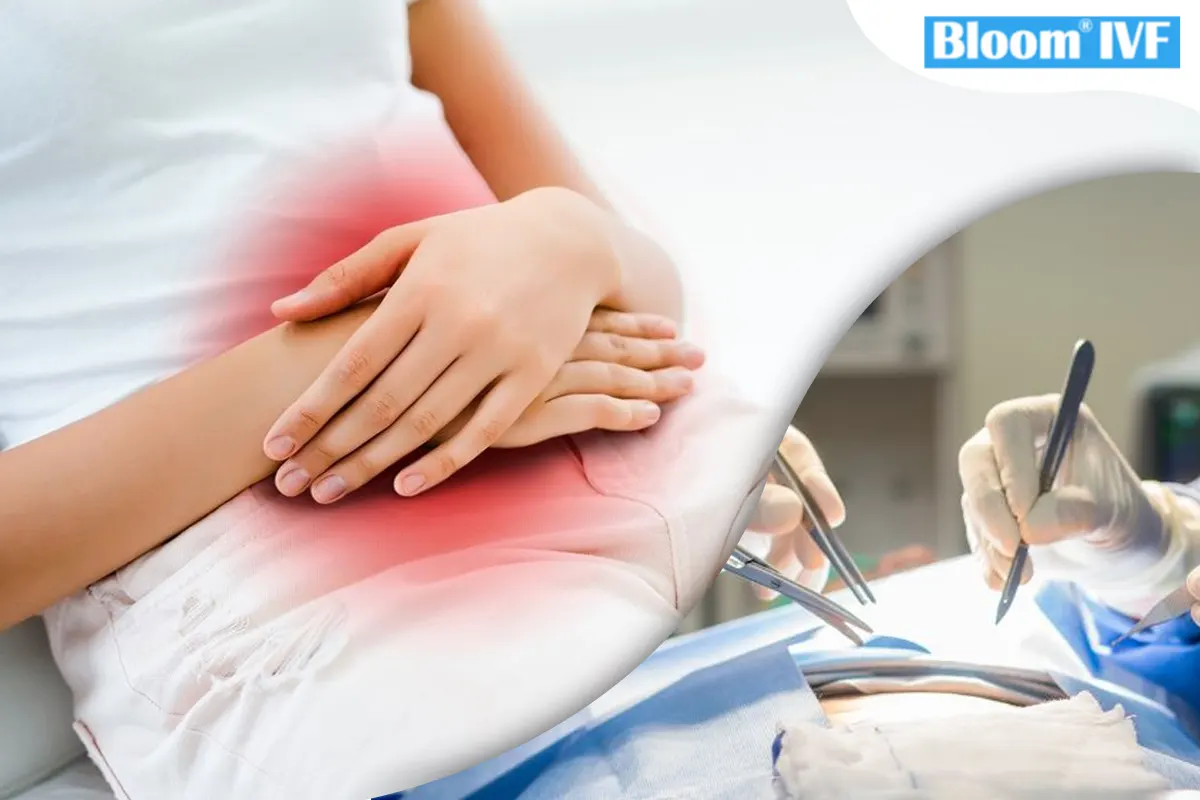
In endometriosis, tissue that resembles the lining of the uterus grows in other parts of the body. This tissue reacts just like your uterine lining. When you get your period, endometriosis tissue growths break down and begin bleeding. Since this blood cannot leave the body, it collects inside the body and causes scarring, inflammation, and pelvic pain.
This can cause pelvic pain and inflammation, which can spur on other symptoms. Many women with endometriosis experience pain during bowel movements or sex. However, the level of pain does not correlate with the severity of the condition. Women with mild endometriosis can be in a lot of pain, while those with severe endometriosis might not even realize that they have it.
How Do I Get an Endometriosis Diagnosis?
Diagnosing endometriosis isn’t a straightforward process since doctors can’t base the diagnosis on symptoms alone. Symptoms can manifest differently in each patient. Endometriosis is also commonly associated with conditions like IBS and adenomyosis, and is often mistaken for them.
Your doctor may also try to rule out other conditions that may have caused your symptoms, such as irritable bowel syndrome (IBS), fibroids, adenomyosis, pelvic inflammatory disease, pelvic organ prolapse, and so on. In fact, Monash University, an authority on IBS, recommends that women of reproductive age who suspect IBS should rule out endometriosis first.
What Tests and Scans Are Required To Diagnose Endometriosis?
If you suspect you have endometriosis, the first step is visiting a gynaecologist or a doctor who specialises in endometriosis diagnosis and treatment.
1. Discussing Symptoms
First, your doctor will ask you whether you’ve noticed any signs that may indicate endometriosis. On the first visit, it’s typical to discuss your symptoms and medical history. Some of the most common symptoms of endometriosis are:
- Painful periods (dysmenorrhea)
- Irregular periods
- Infertility
- Pelvic pain
- Pain during urination or bowel movements (dyschezia)
- Bloating (commonly called “endo belly”)
- Digestive issues
- Pain during intercourse (dyspareunia)
Speak to a gynaecologist or an endometriosis specialist if you’re dealing with any of the above symptoms. If they suspect endometriosis, they will order additional tests to confirm the diagnosis. Fill out our contact form for a free initial consultation.
Your doctor may recommend the following endometriosis tests can identify/confirm endometriosis lesions and rule out other conditions that might be causing your symptoms:
2. Pelvic Exam
Your doctor will perform a pelvic exam to check for unusual growths. They insert a gloved finger into your vagina and look for focal tenderness, or a sensation of pain when they apply pressure to certain areas.
Your doctor may also try to locate irregular scarring, growths called nodules, and cysts on or around your uterus. They may perform the same exam rectally to check for any adhesions or growths there.
3. Ultrasound
An ultrasound scan allows doctors to take images of your internal organs in a non-invasive manner. Ultrasound scans alone cannot be used to diagnose endometriosis, but they’re used to help your doctors get closer to diagnosis. They’re also a minimally invasive and low-risk option.
Ultrasounds can be transvaginal or transabdominal. In transvaginal ultrasounds, the doctor inserts a lubricated handheld probe called a transducer into your vagina to get clear images of the uterus and ovaries. In a transabdominal ultrasound, they move the transducer over your lower abdomen instead.
Ultrasound scans can help doctors find endometriomas (chocolate cysts) on the ovaries, deeply embedded lesions (5 mm or deeper) in your bladder or bowel, and monitor the size of these lesions while administering endometriosis treatment. While ultrasounds can be useful in detecting deeply embedded lesions, it may not locate superficial endometriosis lesions.
4. Magnetic Resonance Imaging (MRI)
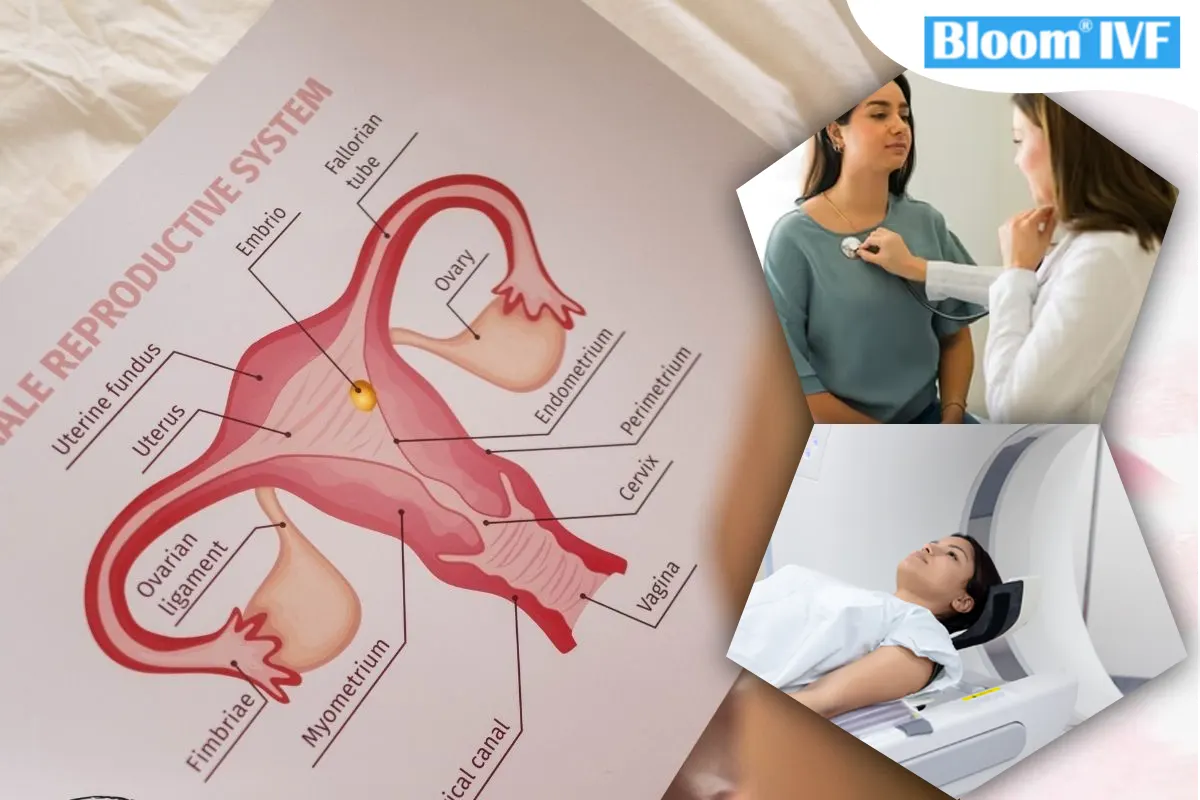
MRI scans use radio waves and a magnetic field to capture detailed images of your internal organs. Doctors use MRIs to identify the severity, location, and size of endometriosis lesions and endometriomas before surgery.
MRI scans are also used to diagnose adenomyosis, a condition that is often confused with endometriosis because it has similar symptoms like heavy menstrual bleeding and pelvic pain.
5. Laparoscopy
A laparoscopy is a minimally invasive surgical procedure. In this procedure, a surgeon will create small incisions on your lower abdomen and use a small camera (called a laparoscope) to view your organs and look for endometriosis lesions. You are sedated throughout the process.
Laparoscopic surgery is considered the gold standard test for diagnosing endometriosis. If your surgeon finds endometriosis lesions during the laparoscopy, they usually attempt to remove them during the procedure. This prevents the need for an additional procedure and can provide relief from endometriosis symptoms.
Endometriosis lesions can regrow if they aren’t completely removed. Most gynaecologists are not skilled enough to carry out thorough laparoscopic excisions. Laparoscopic surgery by endometriosis specialists can provide long-term relief from symptoms and improve fertility outcomes. Consult some of India’s top laparoscopic surgeons at +91 9871717305 / 8433732400.
6. Biopsy
Sometimes an ultrasound may show irregular tissue growth, but it isn’t enough to get an endometriosis diagnosis. The doctor will need to collect these tissue samples during your laparoscopic surgery and examine them later under a microscope to confirm that it is endometriosis tissue.
Treatment For Endometriosis
It is possible for endometriosis to not show up in any tests or scans. If your symptoms keep pointing to endometriosis, you don’t need a confirmed diagnosis to start medical management. Doctors will administer the treatment and monitor your condition to study whether there’s an improvement in your symptoms.
Your doctor will recommend starting with non-invasive treatments even if you have received an endometriosis diagnosis. While surgery can improve your symptoms, it can sometimes lower fertility. Endometriosis can sometimes grow back even after surgery.
Conclusion
Endometriosis can be hard to diagnose because its symptoms can vary from patient to patient. Getting a timely diagnosis can prevent endometriosis from permanently harming your health and fertility. Detecting endometriosis at an early stage can improve the effectiveness of treatment.
For women who are trying to conceive, diagnosis and treatment planning require a fertility-focused approach. The right endometriosis treatment can help you improve your quality of life and increase your chances of conception. Bloom IVF offers high-quality, personalized treatment options for women with endometriosis. We focus on improving your symptoms, quality of life, and solving any fertility issues.
Need an endometriosis diagnosis? Speak to our endometriosis and fertility specialists and get a FREE consultation. Contact us today at +91 9871717305 / 8433732400 or info@bloomivf.com.
Frequently Asked Questions:
Why should I get an ultrasound before endometriosis surgery?
An ultrasound can help your surgeons identify the location and size of endometriosis lesions before your surgery. It can also help them plan for the surgery beforehand and have the right specialists available.
How can I get diagnosed with endometriosis?
To get an endometriosis diagnosis, you will need to consult a gynaecologist, who will do tests like a pelvic exam, rectovaginal exam, ultrasound, MRIs, and laparoscopy to detect endometriosis lesions.
How do doctors confirm if you have endometriosis?
While doctors can detect abnormal tissue in ultrasounds and MRIs, a laparoscopy is the only definitive method to confirm an endometriosis diagnosis.
Can endometriosis be mistaken for other conditions?
Yes, endometriosis is often mistaken for gastrointestinal issues like IBS, colitis, fibroids, or other pelvic conditions like adenomyosis.
Is adenomyosis endometriosis of the uterus?
No, adenomyosis and endometriosis are different conditions. In endometriosis, tissue resembling the inside of the uterus grows on other parts of the body. While in adenomyosis, similar tissue grows into the muscular uterine wall.
Have questions about your fertility journey?
Speak to a Bloom IVF specialist — book a free consultation.
Book an appointment