Many women with endometriosis struggle with infertility. IVF is one of the most popular treatments for infertility. But how effective is IVF treatment, and is the right choice when endometriosis is involved? In this blog, we discuss IVF for endometriosis, and when it can be the right choice. We also talk about how the severity of endometriosis affects IVF protocols, as well as alternative fertility treatments you can consider.
What Does Endometriosis Do?
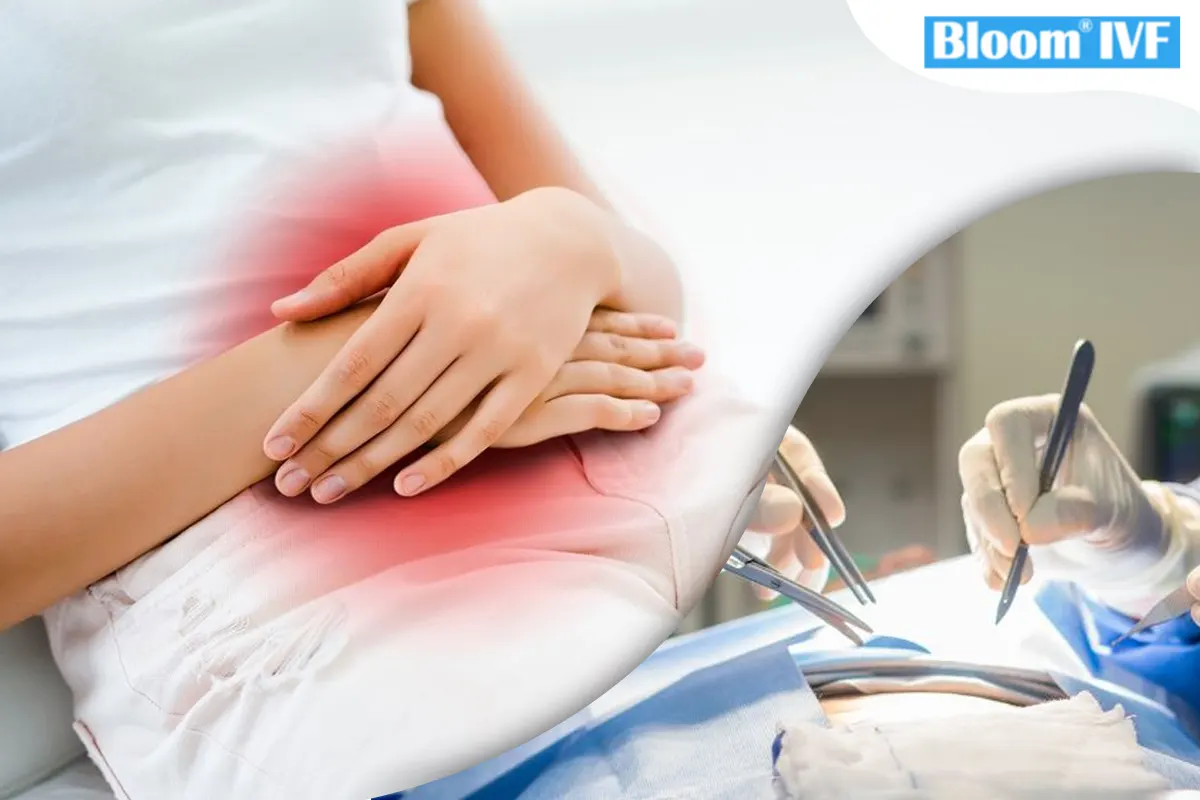
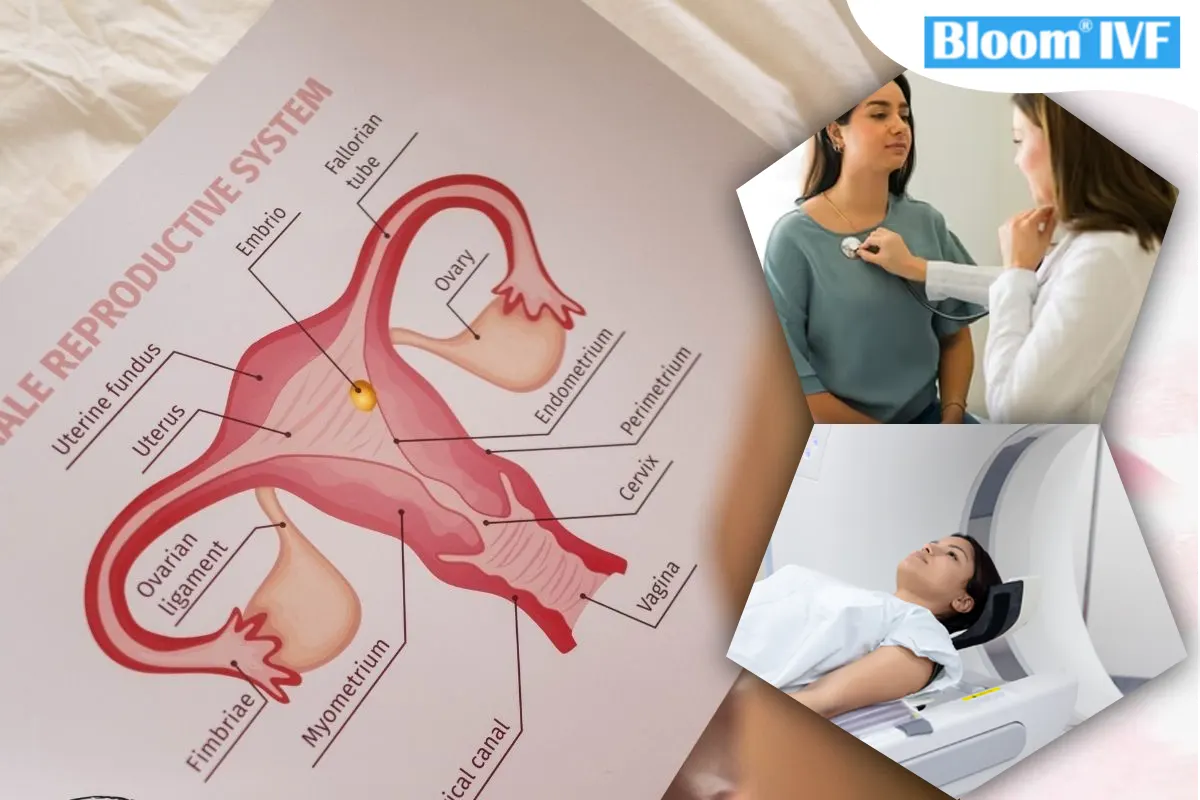
Endometriosis causes tissue similar to the uterine lining to grow in other places in the body. This tissue acts like the uterine lining and thickens, breaks down, and bleeds inside your body during the menstrual cycle. Since the blood cannot leave the body, it collects inside and can cause inflammation and pain. When your reproductive organs are inflamed for a long time, it can create an unfavorable environment for conception.
How Endometriosis Affects Fertility
Not everyone with endometriosis is infertile, but many women with endometriosis have fertility issues. Women with endometriosis have a lower chance of natural conception when compared to women without endometriosis: approximately 5% per month compared to 15% to 20% in women without the condition.
Endometriosis can cause:
- Anatomical changes due to scar tissue lesions, which may cause fallopian tube blockages or prevent the sperm from reaching the egg
- Inflammation due to bleeding which affects the uterine environment and can lower egg quality
- A higher risk of implantation failure
If you are suffering from endometriosis-related infertility, your doctors may tell you to consider fertility treatments. A fertility specialist will be able to choose the best fertility treatments for you based on the severity of your endometriosis and the underlying cause of your fertility issues.
IVF Treatment for Endometriosis Patients
IVF for endometriosis involves fertilizing an egg outside the body with a sperm cell. It has comparatively higher success rates than many other fertility treatments and is often recommended for moderate to severe infertility.
IVF doesn’t treat endometriosis or provide pain relief, but it allows you to bypass many issues that could be making natural conception harder. Women with endometriosis can use IVF to bypass problems like fallopian tube blockages and pelvic adhesions. Controlled ovarian stimulation protocols can also help women who ovulate irregularly because of endometriosis.
The process of in vitro fertilization involves the following steps:
Ovarian Stimulation
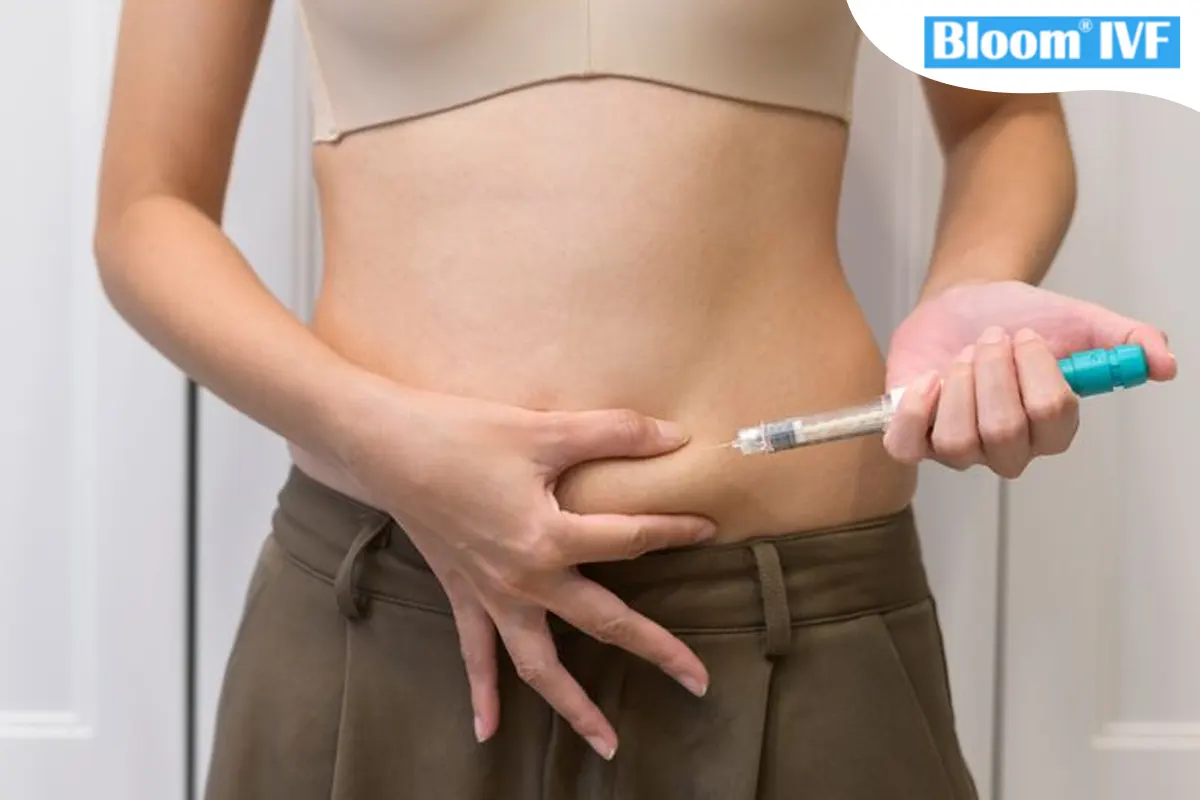
In IVF treatment, first the patient’s ovaries are stimulated to increase the number of mature eggs they produce.
Egg Retrieval
The doctor uses a thin needle to retrieve the mature eggs from your ovaries. You are sedated during this procedure.
Fertilization
The mature eggs are fertilized with healthy sperm cells from the male partner or sperm donor. We monitor the resulting embryos for 3-5 days.
Embryo Transfer
The developed embryos are then transferred to the uterus.
When performing IVF for endometriosis, protocols need to be closely tailored to increase its effectiveness for endometriosis patients. Some women may benefit from hormonal suppression (such as GnRH analogues) before IVF to reduce inflammation and improve implantation outcomes.
How Does the Severity of Endometriosis Affect IVF Protocols?
Endometriosis can cause cysts to form on the ovaries. These are called endometriomas. Cysts less than 4 cm usually do not need surgical intervention. Larger cysts may need to be drained or removed (cystectomy) before starting endometriosis IVF treatment. These cysts can potentially interfere with ovarian stimulation and also make egg retrieval more difficult.
If you have deep-infiltrating endometriosis, laparoscopic surgery may be recommended before IVF to remove the scar tissue nodules. Of course, this depends on the placement and severity of these nodules. An endometriosis specialist can tell you if surgery before IVF for endometriosis is the right choice for you.
When is IVF For Endometriosis the Right Choice?
IVF is one of the most effective fertility treatments for female infertility. But not all women with endometriosis may need IVF and can conceive successfully with other fertility treatments.
You may be a good candidate for in vitro fertilization if:
- You are over 35
- One or both of your fallopian tubes are blocked
- You have endometriomas
- You’ve had failed IUI cycles
- You’ve been trying to conceive for 2+ years
- You have a low ovarian reserve
We often recommend IVF when other treatments are not effective or endometriosis is severe. IVF for endometriosis may also be recommended if you have been trying to conceive for a long time or have not had success with treatments like ovulation induction or IUI. Some women may get laparoscopic surgery for endometriosis before their IVF cycle to improve treatment outcomes.
Does Endometriosis Affect IVF Success?
Endometriosis has a noticeable impact on female fertility and thus can affect IVF success rates. For example, women with endometriomas on their ovaries may produce fewer eggs during ovarian stimulation during IVF for endometriosis.
Endometriosis has been shown to affect embryo development and the rate of implantation. Other studies state that endometriosis does not have a significant impact on IVF outcomes. Your fertility specialist may recommend trying laparoscopic surgery or other treatment options to improve your fertility before in vitro fertilization.
Other Fertility Treatment Options
IVF often provides the shortest time to pregnancy, but it isn’t always the right choice. Some couples do not want to undergo IVF because of its cost, invasiveness, or personal preferences. Other women may not necessarily require IVF.
Here are some alternative treatment options for endometriosis that you can consider instead of IVF:
Laparoscopic Surgery
Some women can improve their fertility outcomes with laparoscopic surgery. This largely depends on the location and severity of their endometriosis lesions. Surgical removal of these lesions can improve ovarian function and uterine receptivity.
While laparoscopy can improve fertility in some women, its benefits depend on age, ovarian reserve, and disease severity. Write to info@bloomivf.com for a free consultation with a fertility specialist to discuss whether laparoscopy is right for you.
Ovulation Induction
Some women with endometriosis may struggle with irregular ovulation. Medication for ovulation induction can help them induce ovulation and increase their chances of natural conception.
Intrauterine Insemination
If you have mild fertility issues, your fertility specialist may recommend trying IUI before moving to IVF treatment. IUI treatment involves placing sperm cells directly in the uterus to help you conceive naturally.
IVF For Endometriosis: Concluding Thoughts

IVF can be highly effective for women with endometriosis, but it is not always necessary. Some women may be good candidates for IVF for endometriosis, while others may benefit from less invasive treatment options.
Your doctor may recommend IVF when other treatments don’t work, or if you have certain factors that make it the best treatment option. At Bloom IVF, we use personalized treatment protocols and advanced medical techniques to help our patients achieve a successful pregnancy.
Book your free fertility consultation today to discuss whether IVF for endometriosis is right for you. Call +91 9871717305 / 8433732400 or send an email to info@bloomivf.com.
Frequently Asked Questions:
Can IVF cause endometriosis?
No, IVF does not cause endometriosis. Some medications used during IVF can temporarily intensify some endometriosis symptoms, which is why doctors use other medicines to suppress it.
Can lifestyle changes improve fertility outcomes?
Yes, making lifestyle changes like maintaining a healthy weight, eating a balanced diet, getting regular exercise, and avoiding smoking and drinking can improve fertility outcomes.
Is IVF possible with endometriosis?
Yes, IVF is possible with endometriosis. It can help bypass infertility issues like fallopian tube blockages and irregular ovulation.
When should I see a fertility specialist?
If you have endometriosis, you should see a fertility specialist if you are under 35 and have been trying for 6 to 12 months, or sooner if you are over 35.
Should I get surgery for endometriosis before IVF treatment?
Surgery can help many women manage endometriosis and improve their fertility before in vitro fertilization. Speak to a doctor about whether surgery is the right option.
Have questions about your fertility journey?
Speak to a Bloom IVF specialist — book a free consultation.
Book an appointment