Many women with endometriosis struggle to conceive naturally. Fertility treatments like in vitro fertilization can help them become pregnant. If you’re considering IVF too, you’ll want to know if endometriosis affects IVF success rates. In this blog, we discuss how endometriosis affects fertility, and how fertility clinics improve IVF success rates in women with endometriosis.
What is Endometriosis?
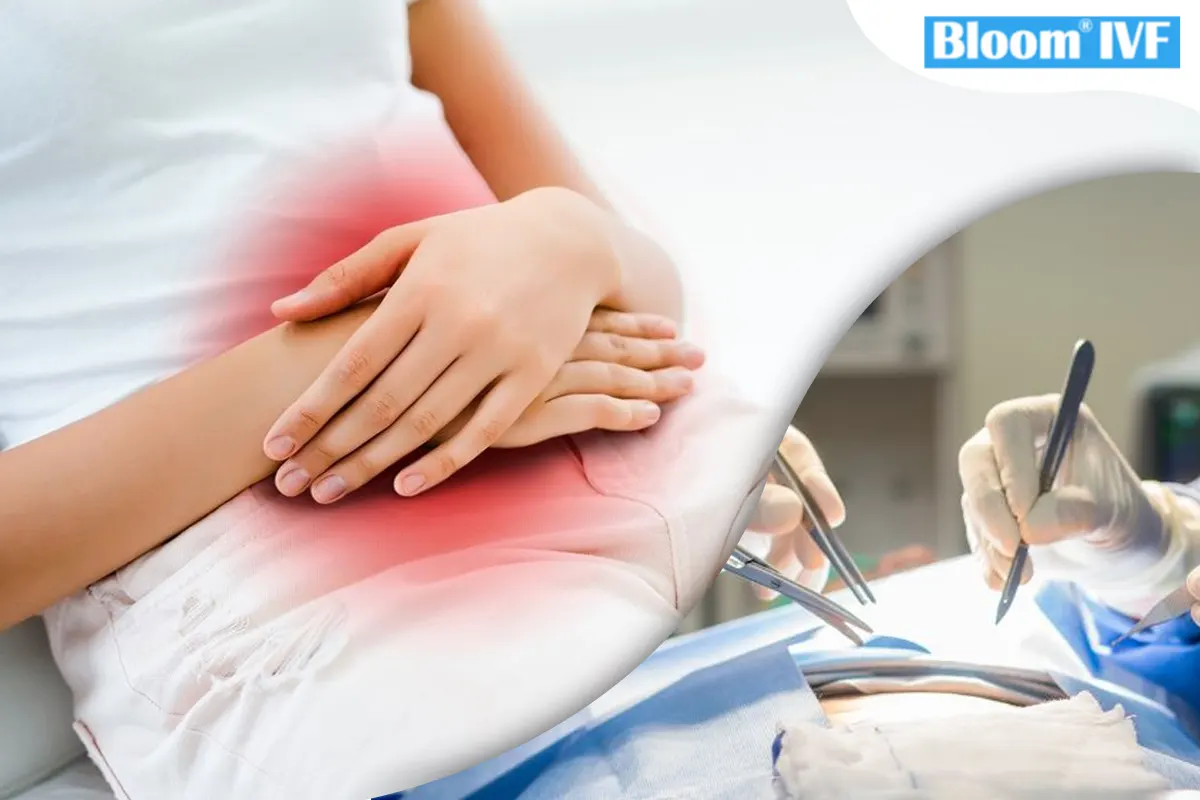
Endometriosis is a chronic condition that mainly affects women of reproductive age. This condition can cause tissue similar to the lining of your uterus to grow in other parts of your body. Endometriosis tissue growth is more common in the pelvic region, on and around the pelvic organs. More rarely, it can infiltrate other parts of the body.
Endometriosis causes pelvic pain, chronic inflammation, and heavy periods. It disrupts the body’s hormonal balance and can affect your fertility.
How Does Endometriosis Affect Fertility?
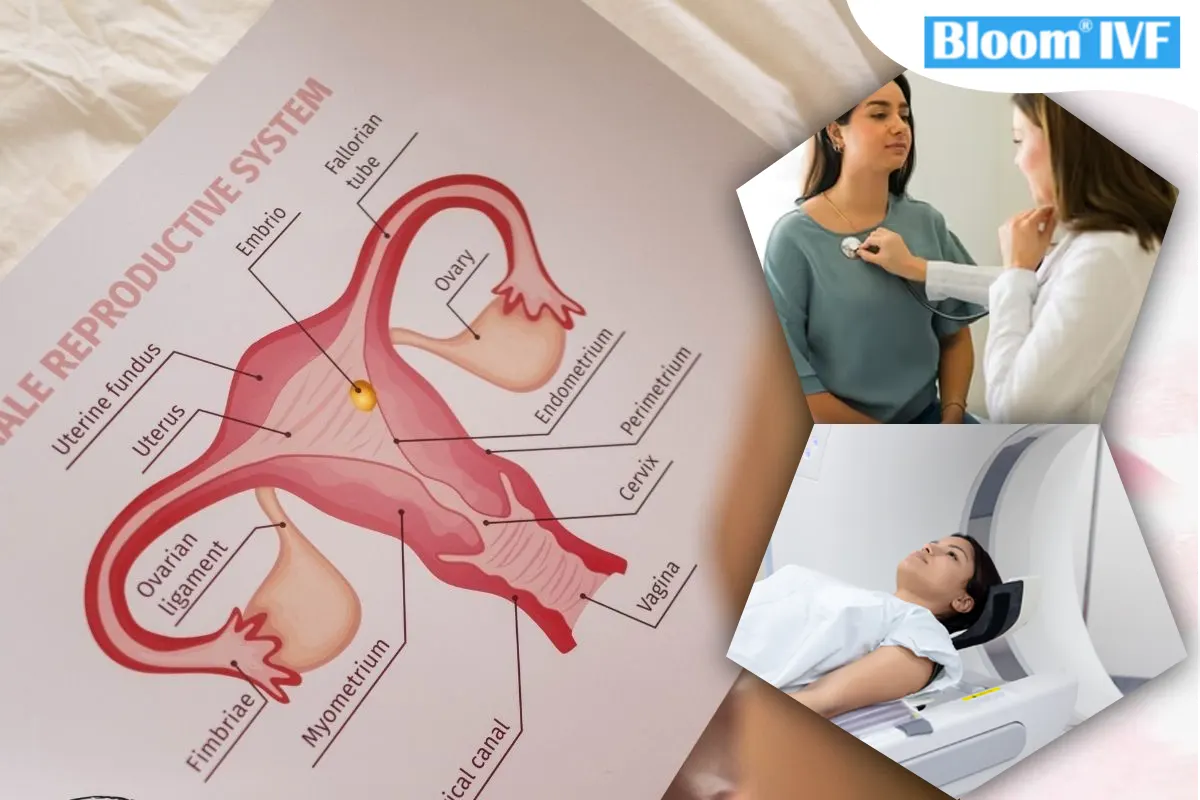
Endometriosis is one of the leading causes of female infertility. Approximately 30 to 50% of women with endometriosis experience fertility issues. Endometriosis can cause adhesions between reproductive organs, anatomical distortions and blockages, endometrial cysts, and hormonal imbalances that can make it harder for you to get pregnant naturally.
1. Scar Tissue and Adhesions
Endometriosis tissue growth can cause scarring on the internal organs, which can sometimes create “adhesions” and make organs stick together. Scar tissue can block the fallopian tubes, too, and prevent sperm from coming into contact with eggs.
2. Tubal Blockages
Endometriosis tissue can grow around your fallopian tubes and create blockages on one or both tubes. This obstructs the natural path of the egg and sperm and prevents fertilization.
3. Hormonal Imbalances
Endometriosis disrupts the functioning of your reproductive organs by delaying ovulation and lowering uterine receptivity, which can affect the production of hormones and cause hormonal imbalances.
Women with endometriosis also have a higher chance of developing progesterone resistance. In this condition, your body becomes less sensitive to progesterone, which is necessary for menstruation and supporting pregnancy. Progesterone plays a vital role in preparing the body for pregnancy, and resistance to it can make natural conception harder.
4. Reduced Egg Quality
Endometriosis tissue growth on the ovaries can cause inflammation, oxidative stress, and hormonal disruption, which interferes with ovarian function and lowers egg quality.
5. Reduced Egg Quantity
Cysts on the ovaries (endometriomas) can damage your ovaries and potentially destroy some of your ovarian reserve. Low ovarian reserves may be more common in women with ovarian endometriomas or after repeated ovarian surgeries.
6. Pelvic Inflammation
Endometriosis can cause chronic inflammation in the pelvic region. Inflammation can cause internal bleeding and pelvic pain. It affects ovarian function and lowers the receptivity of the endometrial lining, and can potentially increase the risk of implantation failures and miscarriage.
Factors Influencing IVF Success Rates in Women With Endometriosis
IVF is one of the most popular treatments for infertility. It may also be recommended to women with endometriosis-related infertility. Despite having high success rates, IVF treatment can sometimes fail or produce subpar results for some women. Multiple factors can affect IVF success rates in women with endometriosis. Some of them are:
1. Age
Age is one of the most defining factors in female fertility. You may already know that fertility declines with age. Women under 35 with endometriosis tend to have higher success rates than older women.
Since endometriosis progressively gets worse with age (especially when it isn’t being treated) older women may have lower quality eggs that are further damaged because of endometriosis.
2. Egg Quantity
Endometriosis may play a part in reducing the number of eggs retrieved in IVF cycles. A meta-analysis by Hamdan and co-workers found that women with endometriosis have a lower mean number of eggs retrieved in IVF cycles.
An article on endometriosis and IVF treatment outcomes states that prior surgery and incomplete follicular aspiration (egg retrieval) can lower the number of eggs retrieved.
3. Egg Quality
Inflammation and oxidative stress can lower egg quality, which can affect IVF success rates in women with endometriosis. Low-quality eggs may form low-quality embryos, which reduce implantation and pregnancy rates.
4. Severity of Endometriosis
Studies have shown that the severity of endometriosis can affect your chances of IVF success. Endometriosis is classified into four stages (I–IV), based on the extent and depth of tissue growth.
When compared to a control group with tubal factor infertility, patients with stage III and IV showed lower clinical pregnancy rates and live birth rates than women with stage I and II endometriosis. Similarly, another study showed that women with superficial endometriosis had better IVF success rates than women with deep infiltrating endometriosis.
5. Surgery
Surgery can improve IVF success rates in women with endometriosis. Some patients may be asked to undergo surgery for the removal of endometriosis tissue before IVF treatment.
In a study, women who were untreated showed lower IVF fertilization rates and had fewer high-quality embryos available than women who were surgically treated for endometriosis. Women with endometriomas (ovarian cysts) may have lower success rates after surgery, since the surgery can affect their ovarian reserve.
Women who do not respond well to surgery show better results if they move to IVF directly instead of re-attempting surgery.
How Does Endometriosis Affect the IVF Process?
Researchers don’t yet know why endometriosis causes fertility issues. What we do know is that endometriosis is more prevalent in women with infertility. Some fertility specialists believe that endometriosis can affect the various stages of IVF treatment. Here are some ways in which endometriosis affects the IVF process:
1. Ovarian Stimulation
Women with endometriosis may have a low ovarian reserve and may respond poorly to ovarian stimulation. They may require specialized stimulation protocols to improve egg quality and increase the number of eggs retrieved.
2. Egg Retrieval
Endometriosis can cause ovarian cysts called endometriomas to grow on the ovaries. These cysts can make the ovaries swell and cause difficulties during egg retrieval..
3. Embryo Transfer
Pelvic inflammation and hormonal imbalances can affect the receptivity of the uterine lining. This can sometimes lower implantation rates and success rate.
Is IVF the Right Option for Women With Endometriosis?
Women with endometriosis-related infertility have unique fertility challenges and require customized fertility protocols during IVF. Tailored protocols can improve IVF outcomes at every stage of treatment.
IVF protocols for women with endometriosis usually involve GnRH agonists or antagonists to reduce the severity of endometriosis symptoms during treatment, and carefully adjusted doses of gonadotropins to reduce the risk of ovarian hyperstimulation.
Fertility specialists analyze ovarian reserve, hormone levels, and severity of endometriosis to optimize the IVF success rates in women with endometriosis. Individualized stimulation protocols and personalized treatment can improve IVF success rates in women with endometriosis.
Choosing the Right Clinic for Endometriosis Treatment
Your clinic’s expertise and quality of care play a significant role in improving your IVF outcomes. Personalized guidance, lifestyle modifications, and fertility treatments can improve IVF success in women with endometriosis. The right fertility clinic will offer cutting-edge diagnostic and treatment options, such as laparoscopic surgery, to improve treatment outcomes.
At Bloom IVF, we offer comprehensive diagnostic services and customized treatment protocols for endometriosis. From hormonal therapy and laparoscopic surgery to in vitro fertilization, we offer state-of-the-art medical infrastructure, advanced fertility techniques, and experienced endometriosis specialists. We specialize in providing multidisciplinary endometriosis care involving a team of fertility specialists, laparoscopic surgeons, and counselors.
Are you facing infertility due to endometriosis? Contact Bloom IVF for a comprehensive fertility checkup and treatment plan. Schedule your free consultation here.
Frequently Asked Questions:
Can lifestyle changes improve IVF success rates for women with endometriosis?
Yes, changes like regular exercise, stress management, an anti-inflammatory diet, and good sleep habits can improve fertility and IVF success rates.
Is endometriosis surgery necessary before IVF treatment?
No, getting laparoscopic surgery for endometriosis removal is not necessary before IVF and depends on a case-to-case basis. Some patients may benefit from surgery, but others may not require it.
Do women with endometriosis have lower IVF success rates?
Yes, women with endometriosis typically have slightly lower success rates with IVF compared to women without endometriosis. However, modern protocols and individualized treatment have helped many women with endometriosis achieve successful pregnancies.
How is endometriosis diagnosed?
Endometriosis is diagnosed through a surgery called a “laparoscopy”. It is used to check for endometriomas and endometriosis tissue growth in the body.
How is endometriosis treated to improve IVF success?
To improve IVF success rates in women with endometriosis, doctors usually suggest hormonal therapy or laparoscopic surgery to remove endometriosis tissue.
Have questions about your fertility journey?
Speak to a Bloom IVF specialist — book a free consultation.
Book an appointment