Are you looking for treatment options for infertility? Endometriosis can make it harder to
conceive, but modern medical and fertility treatments can help you overcome these challengesand achieve a successful pregnancy. The right treatment protocols can greatly improve yourfertility outcomes. In this blog, we explore the best treatment options for women struggling withendometriosis-related fertility issues.
What is Endometriosis?
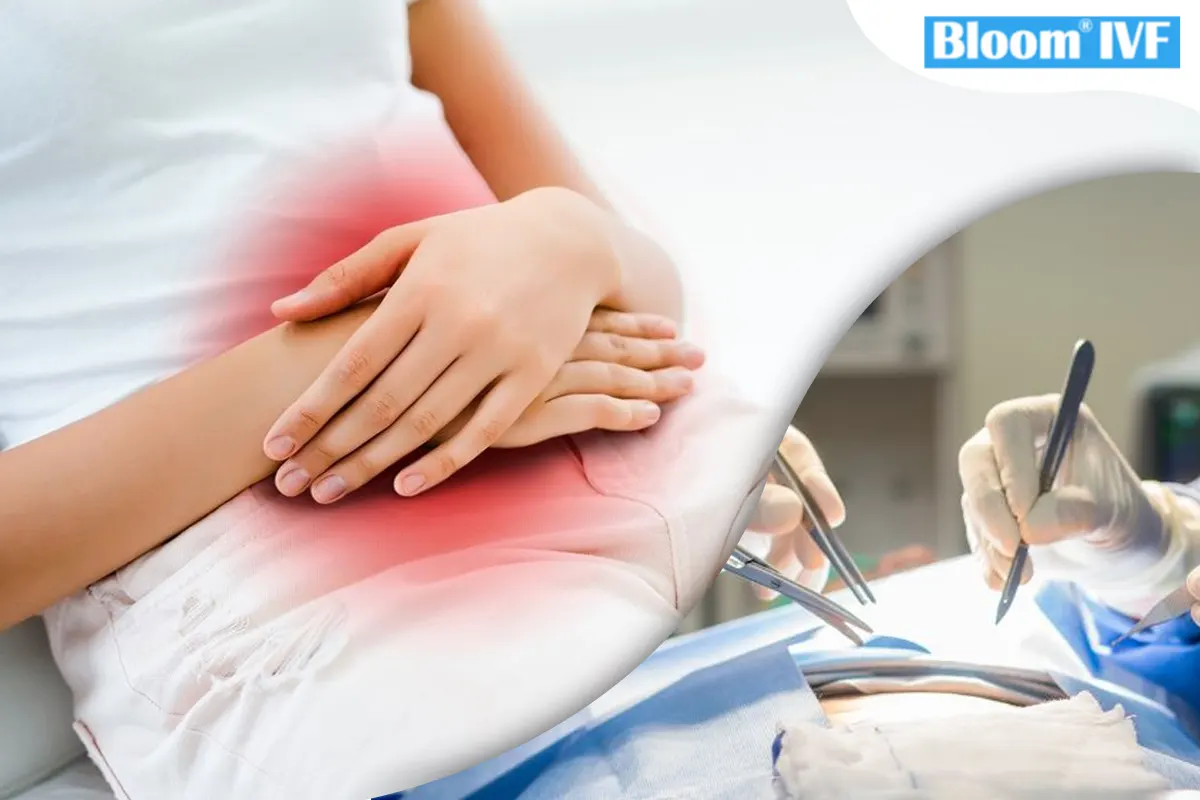
Endometriosis is a condition in which tissue similar to the endometrial lining of the uterus grows outside the uterus, usually on or around the reproductive organs. Endometriosis tissue growth can cause prolonged menstrual bleeding, extreme pain during periods, fatigue, bloating, infertility, and so on.
Endometriosis can range from mild to severe, and its severity does not correlate with the amount of pain or fertility issues you may experience. Your fertility specialist will make an initial assessment by taking your symptoms, medical history, and fertility issues into account.
Examining the Impact of Endometriosis on Fertility
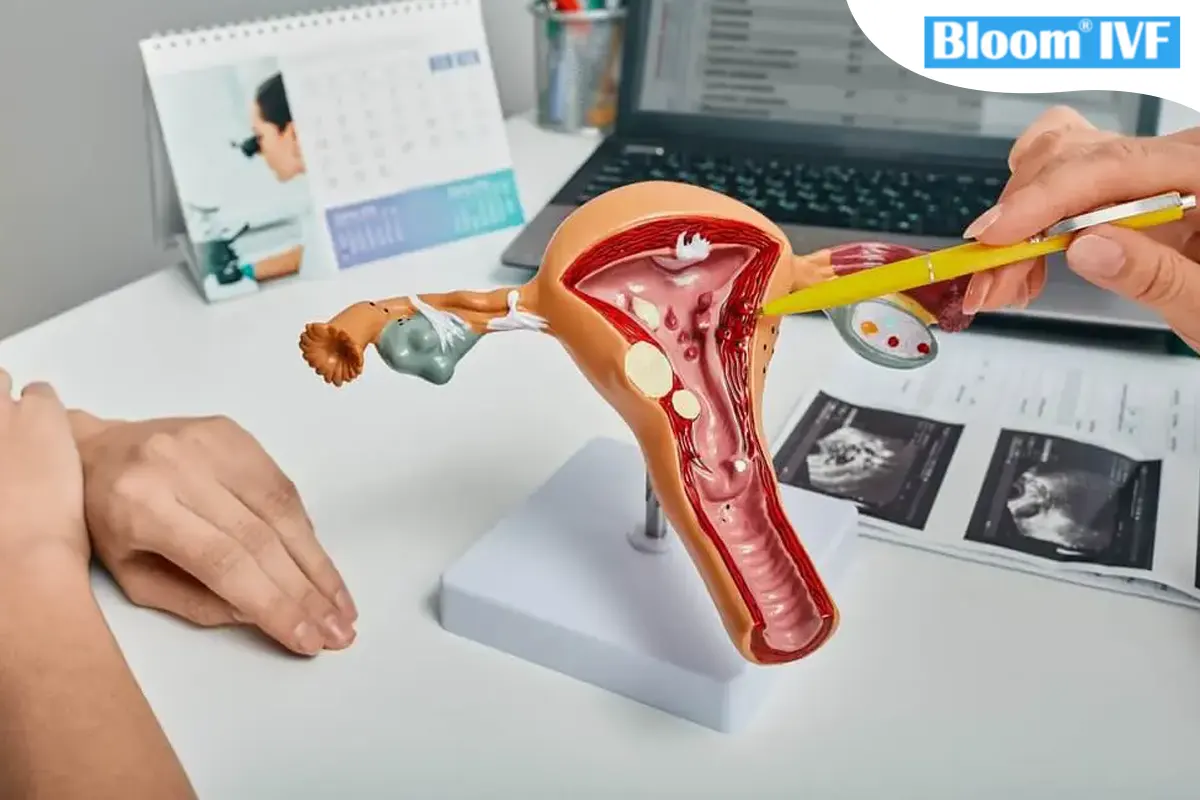
Endometriosis can affect fertility in multiple ways. Endometriosis tissue can thicken and bleed, causing flare-ups and chronic inflammation. Inflammation can lower egg quality and affect embryo implantation. Scar tissue can cause “adhesions” and make organs stick to each other. They can cause obstructions and blockages that interfere with the regular working of the ovaries, uterus, and fallopian tubes.
Since endometriosis symptoms and severity can vary, its impact on fertility can vary as well. Inflammation, endometrial lesions, scarring, and cysts could be potentially interfering with your fertility. Several studies show that 30 to 50% of all women with endometriosis have fertility issues.
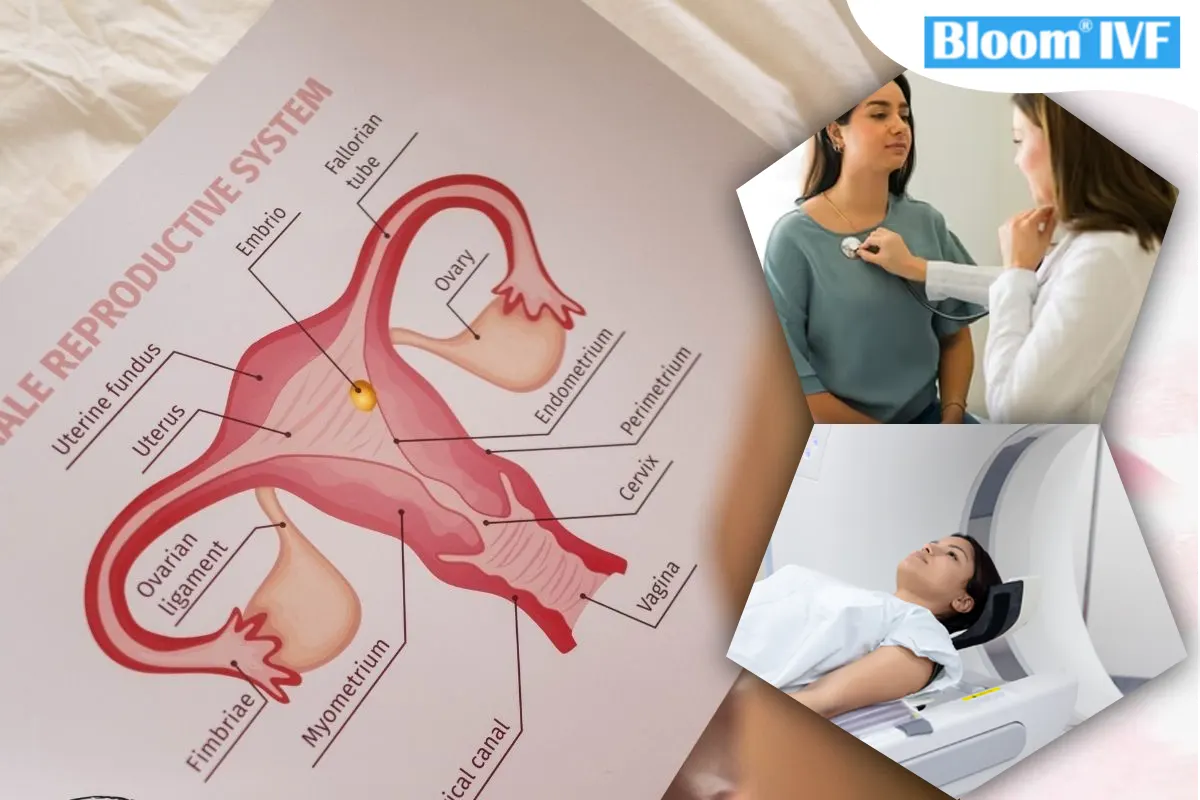
Your fertility specialist will order a set of tests to evaluate your reproductive health and identify the reasons behind your infertility. These can include blood tests, ultrasound scans, pelvic exams for you, and a semen analysis and hormonal testing for your partner. They will then recommend the best endometriosis treatment option for you:
1. Lifestyle & Diet Adjustments
Certain changes to your diet and lifestyle can help you improve your fertility and reduce endometriosis symptoms. For example, a low-inflammatory diet can reduce pelvic discomfort and inflammation. Reduce processed sugars and carbs, and include omega-3 fatty acids, antioxidants, and fiber in your meals.
Your care team may ask you to take steps to manage your stress, since it could potentially intensify endometriosis symptoms. Meditation, light exercise, and holistic treatments like acupuncture can lower stress levels and maintain the body’s hormonal balance. Weight management can also reduce estrogen levels and provide relief from endometriosis symptoms.
2. Pain Management
Endometriosis can severely affect your quality of life by causing pelvic pain and discomfort. Some women might require pain management to help them manage endometriosis symptoms with their regular lives.
Your doctor may prescribe Nonsteroidal Anti-Inflammatory Drugs (NSAIDs) to reduce pelvic pain and inflammation. Pain management focuses on symptom relief and does not directly improve fertility outcomes.
3. Hormonal Therapies
Every month, the hormone estrogen thickens the uterine lining before ovulation. In women with endometriosis, estrogen also causes the endometriosis tissue in other parts of the body to thicken and bleed internally.
Hormonal treatments aim to suppress the production of estrogen, which can reduce endometriosis symptoms, slow down the growth of endometriosis tissue and prevent it from breaking down. Hormonal therapies reduce inflammation.
Hormonal treatment is typically used to control symptoms or reduce inflammation before fertility treatment, as it can prevent ovulation and isn’t practical if you’re actively trying to conceive.
Gonadotropin-Releasing Hormone (GnRH) Agonists
(GnRH) agonists lower estrogen in the body by temporarily suppressing the ovaries. This induces a menopause-like state which can slow down the growth of endometriosis tissue in the body. Stopping the (GnRH) agonists will restore ovarian function when you’re ready to conceive.
Progestin Therapy
Progestin can thin the uterine lining and reduce the intensity of endometriosis symptoms. While it can be given via implants and IUDs, women who wish to conceive may be temporarily prescribed progestin in pill form. Progestins should be stopped before attempting pregnancy.
Aromatase Inhibitors
Aromatase inhibitors block estrogen production to lower estrogen levels in the body. They can provide pain relief and reduce the size of endometrial tissue lesions, and may be combined with other forms of hormonal therapies for more severe cases.
4. Surgical Interventions
Endometriosis causes scar tissue to grow on and around the pelvic organs. It can also cause ovarian cysts (called endometriomas) to grow on the ovaries. Surgical endometriosis treatment for infertility can be a good long-term solution for improving your chances at pregnancy.
Laparoscopic Surgery
Laparoscopic surgery is also called keyhole surgery. It is a minimally invasive procedure which involves creating several small incisions on your abdomen and operating through these slits. Laparoscopies cause less scarring than open surgery and are easier to recover from.
A laparoscopy is the most definitive method of diagnosing endometriosis, since the tissue doesn’t usually show up on ultrasounds or MRIs.Surgical treatment can improve fertility and provide pain relief, too.
Endometrioma Removal
Some women with endometriosis develop small cysts on their ovaries.These are called “chocolate cysts” or “endometriomas”. Endometriomas can potentially affect ovarian function and make egg retrieval more difficult.
Surgery for endometriomas can be risky, as any mistakes during the process can affect your ovarian reserve. With the right techniques,experienced surgeons can minimize damage to ovarian tissue.
5. Assisted Reproductive Technologies
Assisted Reproductive Technologies (ART) can help bypass most issues caused by endometriosis-related infertility, such as adhesions, fallopian tube blockages. Fertility specialists use the following treatment options for endometriosis-related infertility:
Ovulation Induction and IUI
Women who have mild fertility issues may be able to conceive with ovulation induction and IUI treatment.
Egg and Embryo Freezing
Women who do not want to conceive right away can preserve their fertility by freezing eggs or embryos. Using young gametes can increase their chances of success with fertility treatments in the future.
In Vitro Fertilization (IVF)
IVF treatment is one of the effective fertility treatments for endometriosis-related infertility. It is often recommended when other treatments have failed. IVF involves retrieving eggs from the ovaries, fertilizing them with sperm, and placing the developed embryos back in the uterus.
IVF is often the first-line treatment option in women with a diagnosis of moderate to severe endometriosis, tubal damage or blockages, and long-term infertility.
Intracytoplasmic Sperm Injection (ICSI)
ICSI is an advanced type of IVF treatment that involves injecting a single sperm cell directly into the egg. This technique improves fertilization rates in cases where male factor infertility is involved.
Creating Customized Treatment Plans
Many women with endometriosis require a comprehensive approach and a combination of treatment options like lifestyle changes, hormonal therapies, and IVF to conceive. A multidisciplinary approach to fertility can improve a patient’s response to treatment.
Bloom IVF specializes in providing comprehensive and customized treatment plans for endometriosis-related infertility. Our fertility specialists carefully analyze each patient’s condition and recommend the best treatment options for them. Tailored protocols target the root cause of your infertility and greatly improve treatment outcomes.
Choose Fertility Treatment With Bloom IVF
Navigating infertility issues can feel isolating, but you don’t have to do it alone. We are prepared to support you every step of the way. From diagnosis to treatment and pregnancy, we provide personalized care and tailored treatment protocols.
Bloom IVF is one of the oldest and most successful fertility clinic chains in India. Thanks to continuous support and advancements in medical technology, we have helped many women with endometriosis-related infertility become pregnant and give birth safely. Our specialists follow evidence-based international protocols while personalising treatment for each patient.
Are you looking for the best treatment options for infertility? Get a free fertility consultation today! Contact us at info@bloomivf.com to learn more.
Frequently Asked Questions:
How long does it take to get pregnant with endometriosis?
Women with endometriosis may experience decreased fertility and pain during sex, which can make it harder to conceive. They may often take longer to become pregnant or may need to undergo fertility treatments.
How can I improve egg quality in endometriosis?
Women with endometriosis can consume a low-inflammatory diet, taking supplements to improve ovarian function, making targeted lifestyle changes and considering surgical removal of ovarian cysts to support ovarian health.
Is IUI or IVF better for endometriosis?
Both treatments are good options for endometriosis. IVF is often recommended for moderate to severe endometriosis due to its higher success rates.
Which foods should I avoid for endometriosis?
If you have endometriosis, avoid foods with a lot of sugar, processed fats, refined carbohydrates, preservatives, caffeine, and partially hydrogenated oils. These foods can increase insulin resistance, pain sensitivity, and cause inflammation.
Have questions about your fertility journey?
Speak to a Bloom IVF specialist — book a free consultation.
Book an appointment