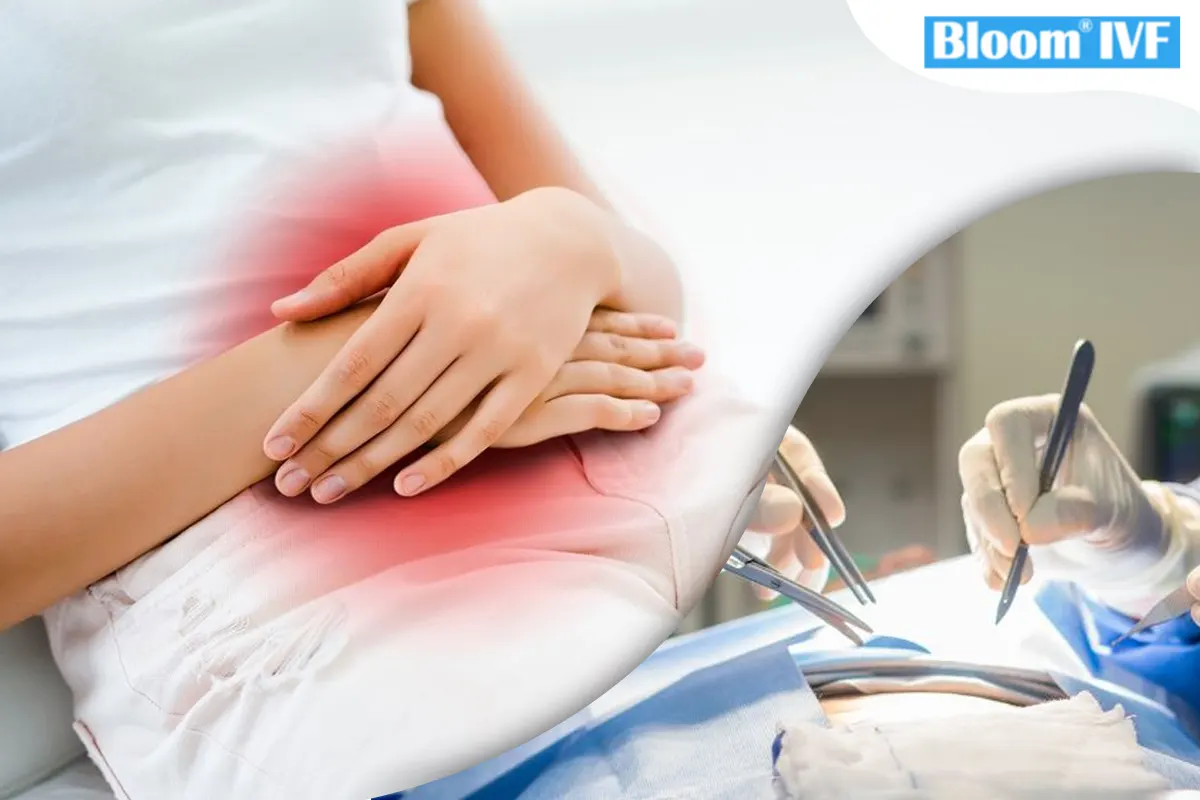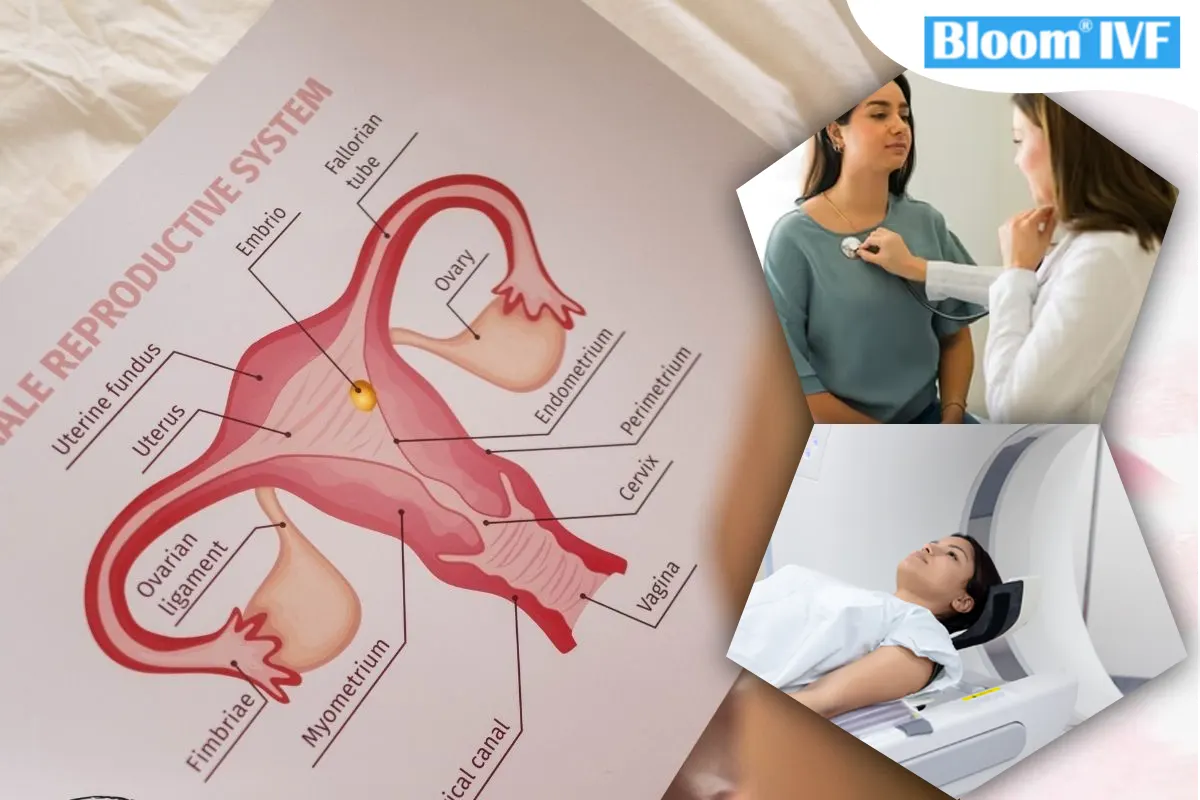

Endometriosis is a common inflammatory condition in women of reproductive age. It can cause painful periods, heavy bleeding and chronic pelvic pain among other uncomfortable symptoms. Treatment plans often include medication, surgery, or fertility treatments. But which is the right choice between medication vs surgery for endometriosis? In this blog, we explore the differences between these treatment options for endometriosis , and how to choose the “right” option for you.
What is Endometriosis?
Endometriosis is a condition in which tissue that resembles the lining of the uterus (endometrium) grows outside the uterus. It is usually found in the pelvic area, but can occasionally grow in other parts of the body as well.
Every month, this endometrial tissue bleeds and breaks down during menstruation. Endometriosis can also cause scarring and make organs stick together. This can cause pelvic pain and inflammation, heavy periods, and even infertility.
Women with endometriosis may seek treatment for many reasons: to reduce their symptoms, slow down endometriosis tissue growth, reduce long-term complications, and improve their fertility. If you’re considering medical treatment for endometriosis-related infertility, talk to our specialists today at +91 9871717305 / 8433732400 for a free fertility consultation.
Medication Treatments for Endometriosis

Image credit: Pexels.com
Doctors may recommend medication for pain relief and treating endometriosis symptoms. Pain relief helps patients deal with cramps, pelvic pain, and fatigue, while hormonal treatments can reduce the intensity of these symptoms.
Estrogen can trigger the growth of endometriosis tissue, which is why hormonal therapy focuses on lowering estrogen levels and inhibiting its production in the body. However, it is not suitable for women who are trying to conceive.
1. Pain Medication
The most common pain medication used by women with endometriosis is nonsteroidal anti-inflammatory drugs (NSAIDs). These are available both over-the-counter and by prescription. Common NSAIDs include aspirin, ibuprofen, and naproxen.
Pain medication in combination may be combined with hormone therapy. On their own, NSAIDs do not treat underlying endometriosis symptoms or improve fertility and are only to be used for pain relief.
2. Combination Contraceptives
These contraceptives use a combination of estrogen and progestin and are used as a first-line therapy for endometriosis. They are available as birth control pills, patches, and vaginal rings.
Hormonal contraceptives slow down the growth of endometrial cells and can reduce period pain and inflammation. Long-term use can suppress your period, so endometriosis lesions don’t keep breaking down and causing internal bleeding every month.
3. Progestin-Only Contraceptives
Women who do not respond well to hormonal birth control may undergo progestin therapy instead. Progestin is an artificial form of progesterone that can slow down the growth of endometriosis tissue in the body. It can also stop periods and provide relief from period pains and heavy bleeding.
Progestin is available in pill, injection, implant, and IUD form. Talk to your gynaecologist about which form would be the most effective for you.
4. Gonadotropin-Releasing Hormone (GnRH) Agonists and Antagonists
Women who do not respond well to regular hormonal contraception may be prescribed GnRH agonists and GnRH antagonists instead. GnRH agonists and antagonists lower estrogen levels which suppress ovulation and menstruation.
While GnRH agonists can effectively reduce the activity of endometriosis lesions , it can also cause menopausal side effects like loss of bone density and hot flashes due to low estrogen levels.
5. Aromatase Inhibitors
Aromatase inhibitors are a less common medication path for endometriosis treatment. Aromatase is the enzyme that helps the body produce estrogen. It is mainly found in the ovaries and in smaller amounts in skin and fat.
Aromatase inhibitors lower estrogen levels in the body by suppressing aromatase. This lowers endometriosis growth and inflammation.
Medication vs Surgery for Endometriosis: When is Medication the Preferred Option?
Medical treatment can help patients who have mild endometriosis and don’t want to undergo surgical treatment. It can be extremely effective at reducing pain and symptoms of endometriosis. But your symptoms may return when you stop taking medication.
Hormonal therapies can cause side-effects like weight gain, depression, acne, and irregular bleeding. Pain medication and hormonal therapy are not usually recommended if you are pregnant or trying to conceive.
Doctors may prescribe hormonal treatment after surgery to prevent endometriosis cells from regrowing. In some cases, they may combine medication with IVF in selected patients. Thinking of starting medical treatment for endometriosis? Get a second opinion at info@bloomivf.com.
Surgical Treatments for Endometriosis
Image credit: Pexels.com
Women with more severe symptoms may benefit from surgical treatment for endometriosis. While medication only treats the symptoms of endometriosis lesions, surgery treats the problem by removing the source of the pain.
Laparoscopic Surgery for Endometriosis
Laparoscopic surgery is a minimally invasive treatment that allows doctors to diagnose and remove endometriosis lesions from the body. In a laparoscopy, the surgeon uses a thin tube called a laparoscope to see inside your body and detect and remove endometriosis tissue. You will be sedated during the procedure and won’t feel anything.
There are two techniques associated with laparoscopic surgery for endometriosis : excision and ablation.
Ablation involves burning the endometriosis growth, while excision involves completely removing it. Excision requires skilled surgeons but is considered better than ablation since it removes tissue growth completely and helps reduce its risk of recurrence. Most cases of endometriosis excision can be performed laparoscopically, with very few needing open surgery.
Hysterectomy
In rare cases, your surgeon may recommend a hysterectomy, which is the surgical removal of the uterus. A hysterectomy does not treat endometriosis; it is recommended only if you suffer from conditions that affect the uterus and cause intense pain or heavy periods.
When is Surgery Recommended Over Medication?
Surgical treatment is often considered when endometriosis growth is extensive or if medication cannot relieve your symptoms. We may recommend it when endometriosis lesions are causing anatomical distortions that may be affecting your fertility. Surgery can greatly reduce pain and may improve fertility and your quality of life.
Your surgeon should take your symptoms and treatment goals into consideration while performing surgical operations. For example, if you are trying to conceive, your surgery will focus on removing endometrial lesions without damaging the ovaries and reproductive organs.
Medication vs Surgery for Endometriosis: How Do They Compare in Treating Endometriosis?
Surgical and medical treatment for endometriosis offer different benefits; one isn’t better than the other. While surgery can provide long-term relief from symptoms, medication can be more effective in managing endometriosis symptoms in a non-invasive manner.
Surgical treatment can provide relief from pain and other symptoms, but these symptoms can reappear in the future. There is a slight chance that endometriosis tissue may regrow a few years after surgery, even if it was completely removed. Endometriosis growing on the ovaries has a greater chance of resurfacing in the future than growth on the bladder or bowels.
The impact of endometriosis surgery on fertility is still uncertain. Your fertility specialist can help you determine whether medication vs surgery for endometriosis will improve your reproductive chances.
What Factors Should Influence Your Treatment Choice?
To evaluate the most suitable treatment option, doctors consider factors like the severity of your symptoms, the extent of the disease, and your goals.
For example, if you want to get pregnant, doctors may recommend medication and surgery to improve your fertility, but stay away from surgical procedures and medication that could potentially harm your fertility. On the other hand, if fertility is not a concern, your doctor may recommend the most efficient treatment options, even if they could affect your reproductive health.
Final Thoughts: Choosing Medication vs Surgery for Endometriosis
Endometriosis can be a difficult condition to live with, and deciding on the right treatment option can feel overwhelming. Fortunately, you don’t have to do it alone. Dedicated medical guidance and support can make this decision easier.
Learning about the different treatments available to you can help you confidently make an informed decision. From assisted reproductive techniques to laparoscopic surgery, Bloom IVF offers comprehensive medical and surgical treatment for endometriosis. Whether you’re dealing with painful periods or fertility issues, we can help you find some of the best treatment options for you.
Are you dealing with endometriosis-related infertility? Contact us on +91 9871717305 / 8433732400 or info@bloomivf.com to book your free fertility consultation.
Frequently Asked Questions:
Do I need to get my ovaries removed during endometriosis?
No, surgical treatment for endometriosis rarely involves removal of the ovaries (oophorectomy). It is a last resort and only considered if endometriosis has severely damaged one or both of your ovaries.
Why should I get surgery for endometriosis?
Surgery can remove endometriosis lesions and adhesions from the organs and provide relief from pain and other symptoms.
Can surgery cure endometriosis?
There is no cure for endometriosis. While surgery can remove endometriosis lesions and reduce symptoms, it is not a cure. The lesions can grow back in the future.
Which is the best medication for endometriosis?
There is no “best” medicine for endometriosis, since people react differently to each medication. Your doctor may prescribe your medication by taking your symptoms and condition into account.
Can I take hormonal medication for endometriosis when I’m pregnant?
Most hormonal medications for endometriosis can act as contraceptives and should not be taken during pregnancy. Always check with your doctor before taking medication when you’re pregnant.
Have questions about your fertility journey?
Speak to a Bloom IVF specialist — book a free consultation.
Book an appointment